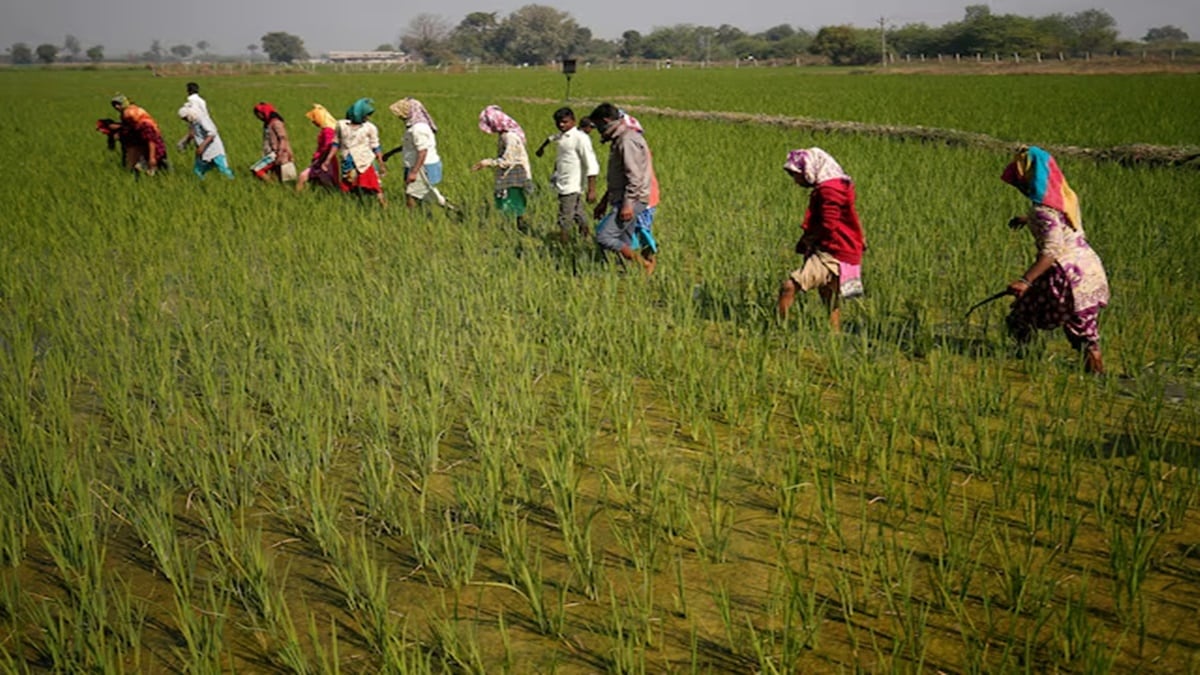
Using the current crisis arising from the West Asia conflict as an opportunity to reduce import dependence, the government should initiate steps to introduce direct cash transfers of fertiliser subsidies to farmers, with seasonal adjustments, according to a research paper released on Friday by ICRIER.
“The direct cash benefits to farmers instead of providing highly subsidised soil nutrients can been linked on the basis of crops grown by farmers, availability of irrigation through usage of AgriStack data of agriculture ministry”, the study titled ‘de-risking fertiliser supplies for india amid rising geopolitical risks’ stated. “This would incentivise farmers to use more balanced doses of nitrogen, phosphorous and potassium. Also, with the prices of these being market determined, the diversion of urea into non-agricultural uses and even across borders would dramatically reduce, giving high savings to the government,” according to the paper.
ALSO READGovt urges shift to PNG as LPG bookings surge amid West Asia disruption
Leveraging AgriStack
The study estimates that direct cash transfers of fertiliser subsidies could generate annual savings of about ?40,000 crore.
In the short term, the paper suggests imposing quantitative restrictions on fertiliser sales based on farm size, cropping patterns, and recommended nutrient doses issued by state agricultural universities.
Strategic Diversification
It also emphasises that diversification of import sources and products is essential to reduce excessive dependence on a limited set of countries, particularly those located in geopolitically volatile regions.
ALSO READUS tariff probe to now cover “forced labour”
The paper underlines the urgency of reforms, noting that more than 68.6% of the country’s fertiliser value chain is import-dependent — including 44.5% of feedstocks used in domestic fertiliser production and 24.1% of finished fertiliser products — leaving the sector increasingly vulnerable to geopolitical tensions.
TOPICSFertilisersThis article was first uploaded on March fourteen, twenty twenty-six, at fifty-nine minutes past one in the night.