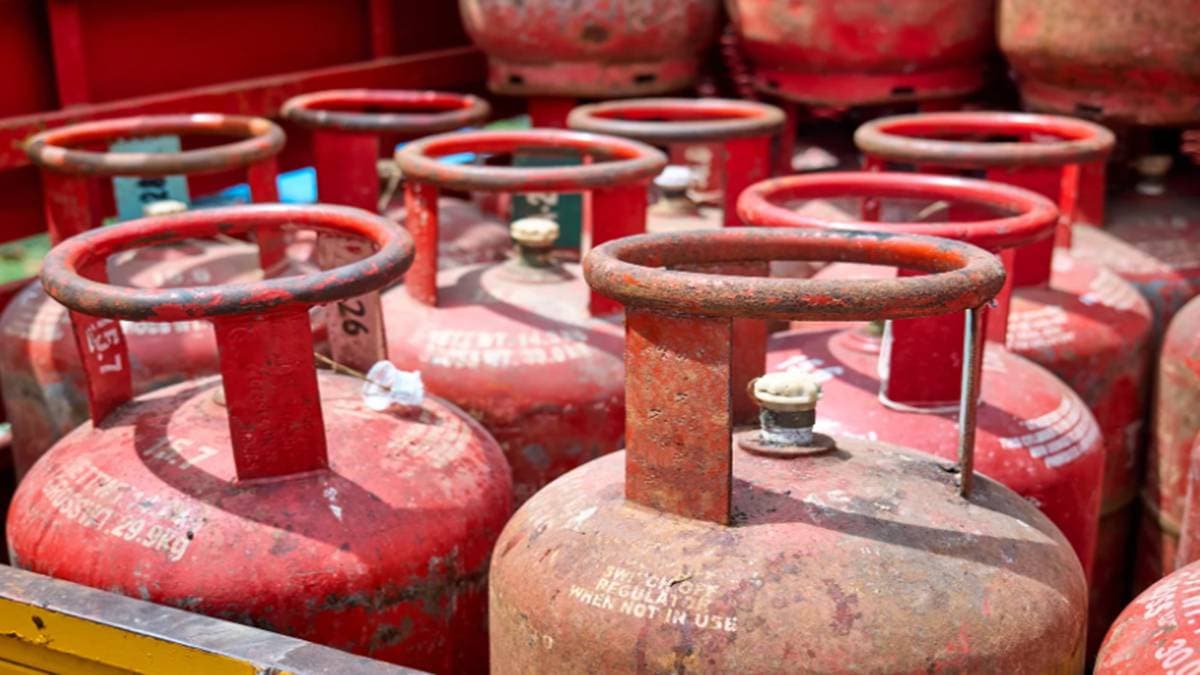
India has begun the process of developing liquefied petroleum gas (LPG) pipeline infrastructure to eliminate bulk movement of cooking fuel, with the petroleum and natural gas regulatory board (PNGRB) in the process of concluding bid proposals of four pipelines with an estimated investment of Rs 12,500 crore.
“The cumulative length of these proposed pipelines is ~2500 km, reflecting the scale and strategic importance of the initiative,” the regulator said.
Phase One
The four pipelines under consideration include Cherlapally–Nagpur, Shikrapur–Hubli–Goa, Paradip–Raipur, and Jhansi–Sitarganj, forming the first phase of the rollout.
ALSO READIndia’s quiet masterclass in managing an energy shock
The move comes as LPG transportation continues to rely significantly on road-based tankers. “India’s LPG consumption in cooking and commercial end use is recognised to be crucial,” PNGRB said, underlining the need to connect ports and refineries with bottling plants efficiently.
While pipelines are the preferred mode, “a significant volume is still carried by bulk tankers,” the regulator noted, adding that the initiative aims at “eliminating bulk movement to the extent possible.”
As part of the programme, nine LPG pipeline projects have been identified, with bidding initiated under a suo motu proposal, reflecting a wider push to strengthen LPG logistics.
The pipelines are designed to connect refineries and import terminals with bottling plants, ensuring “seamless evacuation and distribution of LPG across multiple regions,” PNGRB said.
Environmental Sustainability
Safety considerations remain central. “In view of precedent accidents associated with LPG transportation by road, the modal transfer from road to pipelines would reduce risks involved in road transportation,” the regulator said, adding that pipelines would ensure “safer and more dependable delivery.”
ALSO READHormuz traffic tanks to 4 a day from nearly 100, oil stranded at sea surges to 38 times pre-war level
The regulator said the pipeline network would enable “seamless, high-volume LPG movement with reduced transit time and minimal losses,” improving supply chain efficiency.
On environmental impact, the regulator said the project “would significantly reduce greenhouse gas emissions” by replacing tanker-based transport with pipelines.
The pipelines are also expected to support supply security. “These pipelines would also act as storage at times of need and to address supply security crisis in the country,” PNGRB said.
Highlighting economic benefits, the regulator said the pipelines “would not only improve safety and efficiency in the supply chain but also would prove to be more economical over other modes of transportation.”
The long-term plan is clear, with PNGRB stating that “it is proposed that road transportation of bulk LPG is done away by 2030.”
Separately, PNGRB has authorised Indian Oil Corporation Ltd for the Kochi–Kanyakumari–Thoothukudi natural gas pipeline, a 425-km project with a capacity of 6.84 MMSCMD, aimed at strengthening gas infrastructure in southern India.
TOPICSLPG cylindersThis article was first uploaded on April seventeen, twenty twenty-six, at five minutes past seven in the evening.