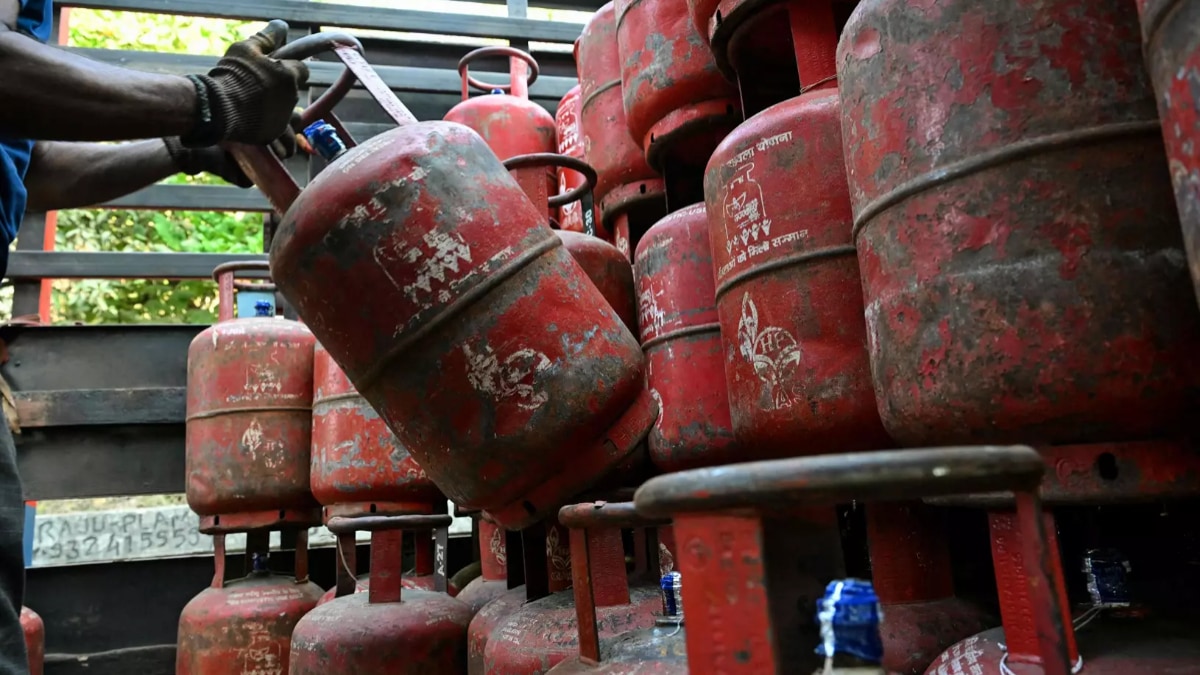
The government on Friday acknowledged concerns over the availability of cooking gas in parts of the country amid supply disruptions linked to tensions in West Asia and urged households located near city gas networks to shift to piped natural gas (PNG) to ease pressure on LPG supplies. The appeal came as panic bookings for LPG cylinders surged across the country.
“There are concerns over supplies and availability of cooking gas due to the prevailing geopolitical situation,” Sujata Sharma, joint secretary in the Ministry of Petroleum and Natural Gas, said at a media briefing, while stressing that no LPG retail distributor in the country has reported a dry-out so far.
Households located in areas with city gas infrastructure have been advised to shift to PNG at the earliest so that LPG cylinders can be conserved for regions without pipeline connectivity. According to the government, around 700,000 households could move to PNG in the short term.
ALSO READIndia-UK trade pact to come into force by April: Piyush Goyal
Daily LPG bookings have jumped to around 7.5–7.6 million cylinders from pre-war levels of about 5.5 million bookings, according to the petroleum ministry. Oil marketing companies are currently delivering around 5 million cylinders every day across the country. Officials said the spike in demand appears to be driven largely by panic buying rather than an actual shortage of cooking gas.
Addressing the Surge
India already has more than 15 million households connected to PNG networks and supplies to these homes are continuing without disruption. Government data also shows that around 6 million households live in areas where PNG connections are available but continue to use LPG cylinders.
To accelerate PNG adoption, the government has begun consultations with GAIL (India) and city gas distribution companies to expand pipeline connections in major urban centres. Authorities have also asked state governments, local bodies and highway authorities to expedite clearances for pipeline laying so that distributors can roll out connections faster.
Strengthening Supply Chains
The government has simultaneously moved to strengthen LPG import logistics.
The Ministry of Ports, Shipping and Waterways has directed ports across the country to give priority berthing to LPG vessels. Port authorities have also been asked to facilitate faster cargo handling and provide additional storage if required.
India remains heavily dependent on imported cooking gas. The country consumes around 31–32 million tonnes of LPG annually, of which around 60–65% is imported, largely from Gulf suppliers such as Saudi Arabia, Qatar and the UAE.
The geopolitical disruption in West Asia has therefore prompted oil marketing companies to scout alternative global suppliers and secure additional LPG cargoes to maintain supply stability.
ALSO READFitch raises India growth forecast
Domestic production has also been ramped up to support the supply chain. Officials said LPG output from Indian refineries has increased by more than 30% compared with production levels before the crisis, as refiners divert additional hydrocarbon streams toward cooking gas production.
Authorities have also intensified enforcement action against hoarding and diversion of LPG cylinders following reports of illegal stocking in some regions.
Several states have reported seizure of illegally stored cylinders, including 524 stolen cylinders recovered in Jhansi, 32 cylinders seized in Hapur, 46 cylinders recovered from hotels in Karnataka and 38 cylinders seized in Chhatarpur in Madhya Pradesh.
State governments have opened control rooms and begun monitoring supplies at the district level, while oil marketing companies have strengthened call centres to handle consumer complaints.
Officials emphasised that the broader fuel supply situation remains stable. India currently has a refining capacity of around 258 million tonnes per annum, making it the fourth-largest refining hub in the world, and the country remains self-sufficient in petrol and diesel production.
“No cases of fuel dry-outs have been reported at any of the nearly one lakh retail outlets across the country,” officials said, adding that adequate stocks are being maintained across refineries, depots and bottling plants.
The government reiterated that ensuring uninterrupted LPG supply to households remains its top priority, while urging consumers to avoid panic booking and rely on official information to prevent unnecessary pressure on the distribution network.
TOPICSLPG cylindersPNG priceThis article was first uploaded on March fourteen, twenty twenty-six, at fifty-four minutes past twelve in the am.