
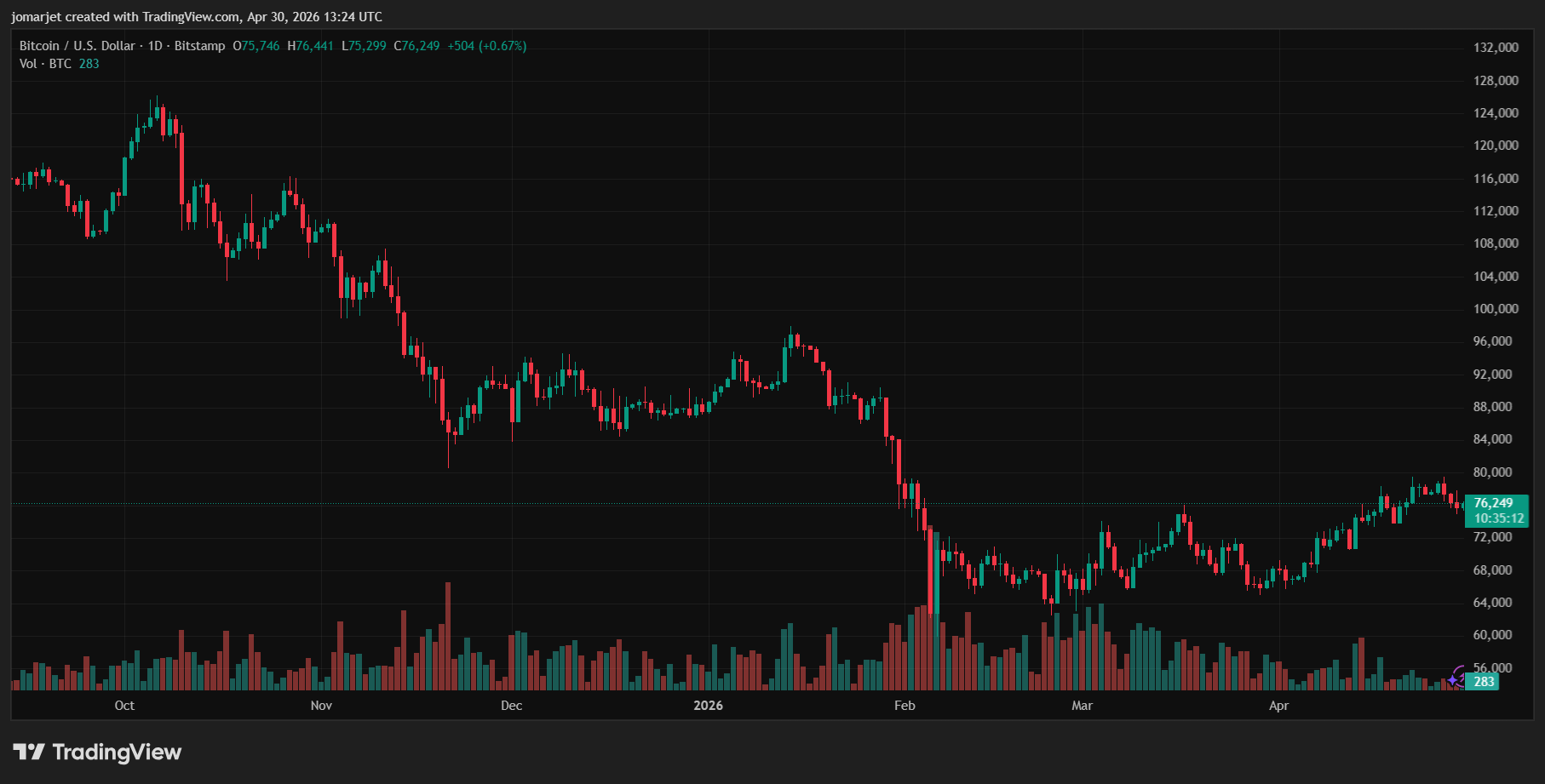
On Wednesday, Bitcoin was priced at $75,900 following the Federal Reserve’s recent interest rate decision, which sent shockwaves through the cryptocurrency markets. This led to three consecutive days of withdrawals from U.S. spot Bitcoin exchange-traded funds (ETFs), resulting in a staggering loss of over $490 million.
Fidelity and BlackRock Lead the Withdrawal Trend
The most significant impact was felt by Fidelity’s FBTC, which experienced a withdrawal of $191 million during this period. Close behind was BlackRock’s IBIT—the largest spot Bitcoin ETF by assets under management—losing nearly $167 million.
Additionally, Ark Invest’s ARKB saw another $73.3 million exit its fund. The selling activity unfolded throughout the week; Monday recorded an alarming single-day outflow of $263 million, followed by Tuesday with $89.7 million and Wednesday—coinciding with the Fed’s announcement—with an additional outflow of $137.6 million.
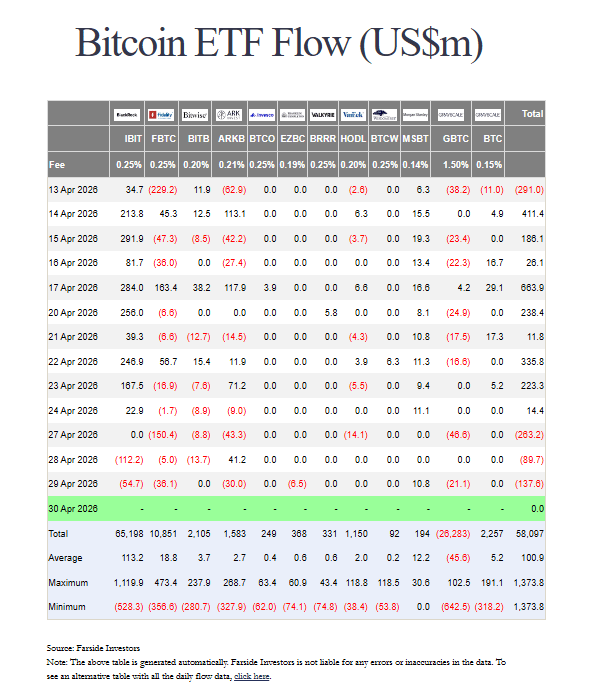
This wave of outflows came after a robust period for Bitcoin ETFs that had seen consistent inflows for nine straight days prior to this downturn, amassing just over $2 billion during that time frame alone; last week accounted for nearly $824 million in new investments before this sharp reversal occurred.
The Fed Stays Steady While Markets React
The Federal Reserve maintained its benchmark interest rate at 3.50%–3.75% for the third consecutive meeting without indicating any forthcoming cuts or softer rhetoric on inflation or financial conditions—a message that resonated negatively across risk assets like Bitcoin.
Compounding market anxiety were rising tensions between the U.S. and Iran; reports suggest President Donald Trump warned about potential blockades in the Strait of Hormuz if Iran does not de-escalate its actions—adding further strain to already jittery global markets and prompting investors to retreat from riskier assets.
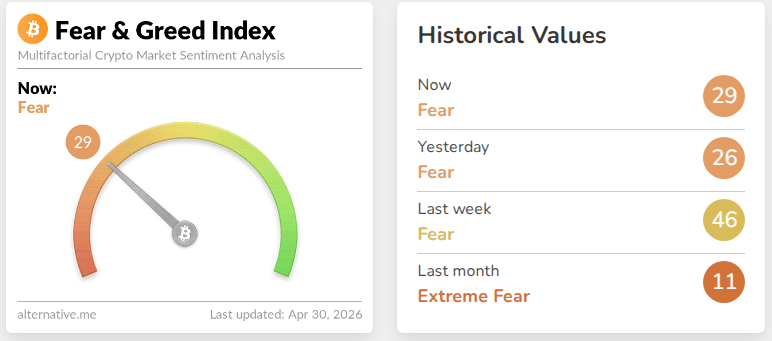
A renewed sense of fear has permeated through crypto markets as well; evidenced by a drop in the Crypto Fear and Greed Index back into “Fear” territory as investors adopt a more cautious stance amid macroeconomic uncertainties coupled with ongoing ETF withdrawals from Bitcoin funds.
The Future Outlook for Bitcoin
This month saw Bitcoin rebound from lows near $74,000 briefly reaching towards an impressive target around$80,000 before encountering resistance this week leading to pullbacks again towards key levels like$75K potentially acting as support moving forward amidst continuing ETF outflows .
Data indicates that following announcements made by The Fed ,Bitcoin fell approximately 3%. Despite these challenges ,some traders remain optimistic anticipating recovery targeting ranges between$85K-$88K come May ;however such projections heavily rely on sustained stability within broader macroeconomic conditions .
Currently momentum built over those nine days worth inflows appears stalled leaving many questioning whether it will resume soon or continue fading away further into uncertainty ahead .
Featured image sourced from Pexels , chart provided via TradingView
FAQ
- What caused recent withdrawals from bitcoin ETFs?
- The Federal Reserve’s decision to maintain interest rates unchanged led to negative sentiment among investors causing significant sell-offs across various bitcoin ETFs.
- How much money has been withdrawn recently?
- Total withdrawals exceeded approximately 490 million dollars over three consecutive days impacting major players like Fidelity and BlackRock significantly amongst others involved within these funds .
- What is currently affecting market sentiment ?
Rising geopolitical tensions particularly involving US-Iran relations alongside fears regarding inflationary pressures have contributed greatly towards investor caution reflected within current market trends overall impacting cryptocurrencies including bitcoin itself.
- What can we expect next?
Analysts are divided but some anticipate possible rebounds targeting higher price ranges if macroeconomic factors stabilize while others remain skeptical given prevailing uncertainties surrounding both economic indicators & regulatory landscapes alike influencing future trajectories overall.