India’s agricultural exports – rice, fruits and vegetables to the Gulf region have commenced but high freight and time-consuming clearances has severely impacted the volume of shipment, exporters said.
In addition, the onward movement of perishable cargoes like fruits and vegetables through Dubai to Saudi Arabia, Qatar and Kuwait has been hampered because of the security situation.
Exports of onion, bananas, grapes and other perishables have been hit significantly,
Logistical Bottlenecks
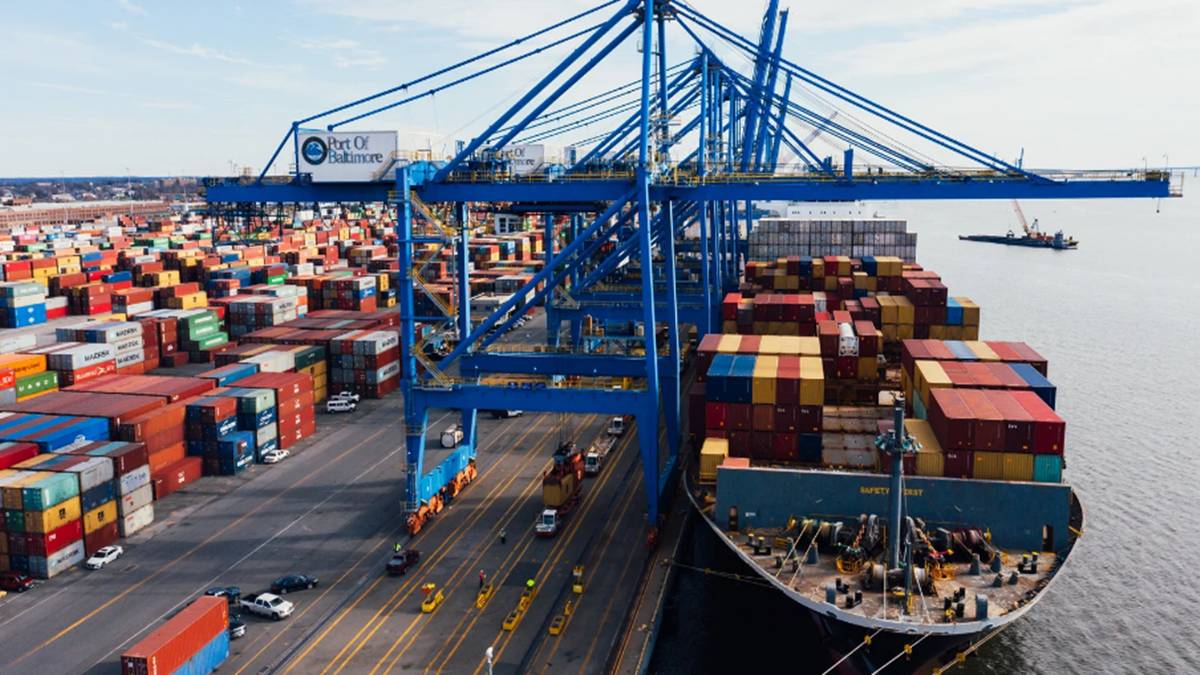
Dubai Customs last month had introduced a temporary facilitation for cargo destined for Jebel Ali Port, one of the busiest container port, in the region, through the ports of Khorfakkan and Fujairah, from where containers are to be transported by road.
ALSO READBlack mass recyclers warn against sudden export curbs
Ajit Shah, a leading onion exporter, said that few consignments carrying onions and vegetables have been sent to Khorfakkan and Fujairah ports, Dubai which are much smaller interms of capacities to handle cargo.
“The freight cost of vegetables has increased by around six times to $ 900/a container of 29 tonne each, in addition $ 60 to $ 100 a container is required to transport via road which had led to slow cargo movement,” Shah, told FE.
Several exporters said that while shipment from India, which has virtually stopped after the beginning of the West Asia war on February 28, has not commenced on much smaller scale.
“With such high freight cost and delays in clearance, its not economically viable to export to the Gulf region,” Ekram Husain, president, fresh fruits and vegetables exporters association, said.
Financial Distress
Ranjit Singh Jossan, managing director, Jossan grains, a leading exporter of basmati rice in Punjab, said that a month has passed since conditions deteriorated across multiple middle eastern ports, leaving thousands of containers stranded and exporters in distress.
“Shipping lines are reportedly demanding detention charges ranging between $7,000 and $10,000 per full container load (FCL), adding immense financial pressure on exporters,” Jossan told FE.
ALSO READDirect benefit transfers down 5% to Rs 6.6 lakh crore in FY26
The Middle East accounts for nearly 60–70% of India’s total basmati exports, and instability in the region has affected shipments, payments, and trade coordination.
In terms of overall agricultural product exports, West Asia accounted for 21.8% of India’s total food exports in 2025 valued at over $50 billion, making it one of the country’s most important markets for the shipment of rice, bananas, spices, meat and dairy
The Global Trade Research Initiative (GTRI) stated in its recent report has cautioned that prolonged instability, particularly around the Strait of Hormuz, could harm India’s agri-economy by disrupting shipments and raising insurance costs, potentially affecting farmers, food processors and exporters across several states.
TOPICSexportsThis article was first uploaded on April five, twenty twenty-six, at nine minutes past six in the evening.