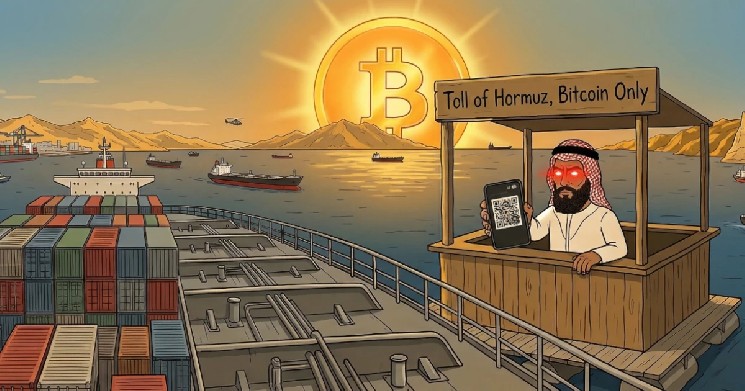
The control that Iran maintains over the Strait of Hormuz, a critical maritime route for oil transit, remains steadfast. Recently, the Financial Times reported that Iran plans to impose a toll on vessels passing through this vital waterway, with Bitcoin identified as the preferred currency. This unexpected development has been anticipated by proponents of Bitcoin for many years.
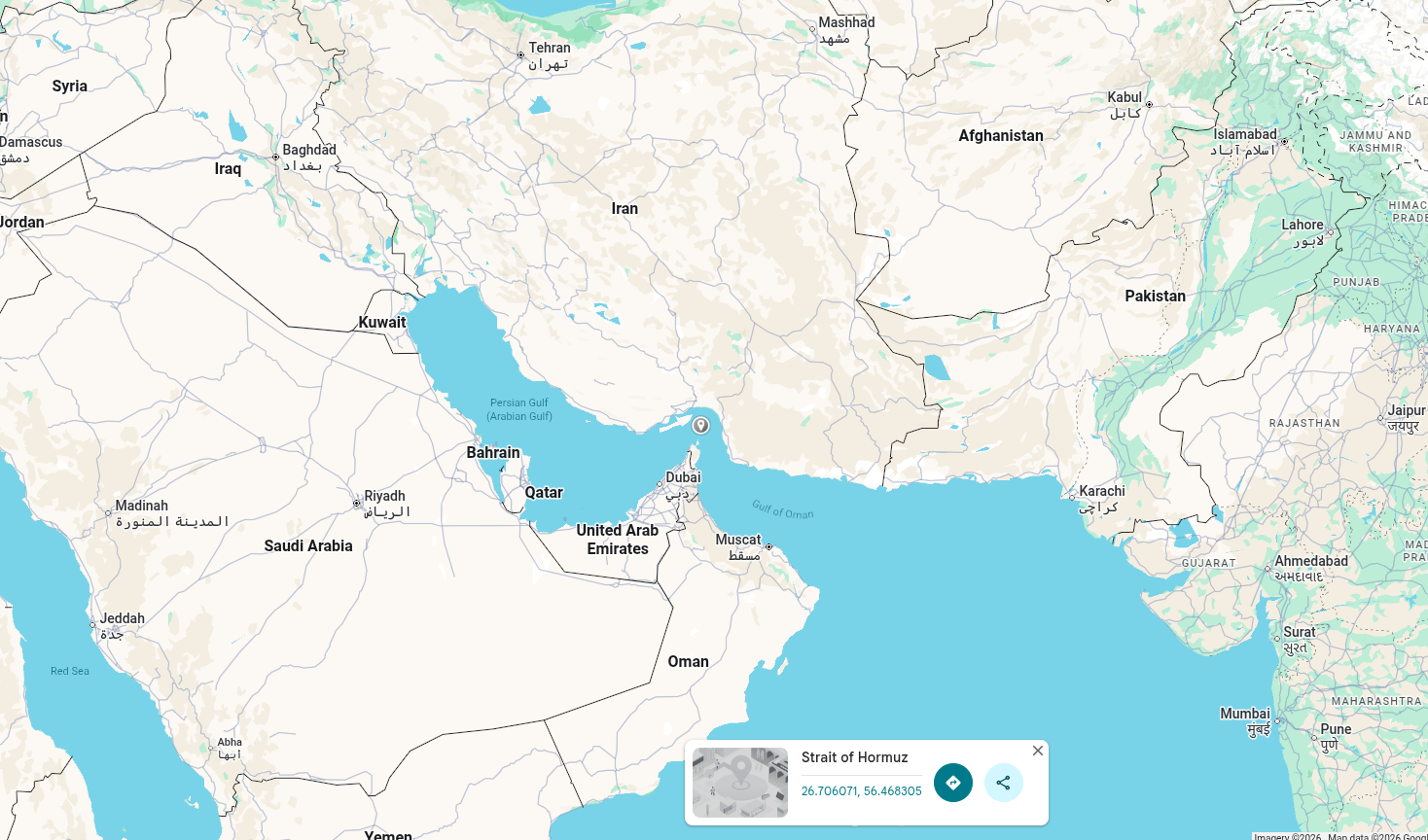
On April 8th, the Financial Times released an article titled “Iran demands crypto fees for ships passing Hormuz during ceasefire,” although it specifically referred to Bitcoin rather than cryptocurrency in general. The piece discussed events occurring during a two-week ceasefire amidst ongoing tensions involving the United States, Israel, and Iran over this crucial shipping lane—historically responsible for transporting 20% of global oil supplies to Europe and Asia before hostilities escalated. According to the report, Iran intends to levy fees on vessels seeking passage through Hormuz—a strategic chokepoint under its firm control thanks to advanced military technologies including long-range missiles and underwater mines.
The article featured insights from Hamid Hosseini, spokesperson for Iran’s Oil, Gas and Petrochemical Products Exporters’ Union. He informed FT that oil tankers would need to share their inventory data with Iranian authorities and pay a fee of $1 per barrel in Bitcoin in order to secure safe passage through Hormuz: “Once we receive an email request and complete our assessment process, vessels will have just seconds to make their payment in Bitcoin—ensuring these transactions remain untraceable despite sanctions.”
This revelation sent shockwaves throughout the Bitcoin community and garnered international attention as prices surged from around $60k into the $73k range. By opting for Bitcoin instead of traditional currencies like dollars or yuan—or even gold—Iran is making a significant statement about its recognition of Bitcoin’s advantages as modern money. This aligns with long-held beliefs among advocates who view it as neutral currency ideal for international trade.
It’s evident why Iran is avoiding dollar transactions; U.S.-imposed sanctions have severely restricted its access to Western financial systems. Additionally, relying on Chinese currency would compromise its sovereignty by creating dependency on another major power while transporting gold presents logistical challenges fraught with sanction risks similar those associated with fiat currencies.
Bitcoin emerges as an optimal solution allowing countries like Iran—currently embroiled in conflict—to receive payments securely since its blockchain operates across an extensive network resistant by design against censorship or sanctions enabling rapid digital settlements.
Iran could store acquired Bitcoins using multi-signature cold storage methods requiring multiple keys before any withdrawal can occur—a high-security approach likely already employed by them given their history with cryptocurrencies where they’ve reportedly controlled up-to-10% total mining capacity at various points.
Earlier that same day prior even releasing their report Trump mentioned discussions had taken place regarding potential joint ventures between U.S officials & Iranian leadership aimed at securing access through Strait Of Hormuz saying “We’re considering doing it together—it serves both parties’ interests.”
This morning I asked President Trump if he supports Iranians charging tolls from all ships traversing Strait Of Hormuz; he suggested there might be collaboration:
“We’re contemplating executing this collaboratively—it secures things…”
— Jonathan Karl (@jonkarl) April 8th ,2026
The Saudis quickly responded stating any form of Iranian authority over strait represents “crossing red lines,” according Ali Shihabi close advisor within Saudi royal court according The Times Of India adding “Ensuring uninterrupted navigation remains paramount.”
A few moments after FT published followed Trump’s dismissal towards notion asserting “Iran should not impose charges.” He remarked “Reports indicate they are attempting levies against tankers navigating viaHormuz—they better refrain immediately!”
Will Tehran retract tolls imposed upon crossing? And what motivates such decisions?
Considering ongoing conflicts alongside deteriorating diplomatic relations between involved nations—the strategic advantage held by Tehran regardingHormoz proves invaluable amidst warfare dynamics showcased via relentless assaults targeting military assets along numerous attempts made towards eliminating leadership figures whilst simultaneously showcasing capabilities capable enough blocking vessel movements across straits . Cost effectiveness plays pivotal role here where maintaining longer ranged weaponry proves cheaper than deploying interceptors needed protect vulnerable oil carriers attempting navigate safely through hostile waters . In warfare economics reign supreme!
During press conference recently conducted trump acknowledged truth behind statement noting single individual armed machine gun sufficient hinder safe transport operations ;“Listen problem lies within strait anyone can drop mine into water declaring unsafe… Or take machine gun shore fire rounds ship maybe launch small missile” he elaborated CBS earlier month
The expense incurred when attacking vessels transiting straight significantly lower compared defending them effectively leaving little room options available unless further escalation occurs militarily which raises questions costs involved pursuing such course action whether genocidal consequences arise resulting full-scale invasion perhaps nuclear strikes however repercussions faced internationally especially concerning midterm elections could prove detrimental politically speaking thus leading next regime emerging power knowing possibility trying similar tactics later down line
Long-term resolution seems likely only achievable diplomacy leveraging bitcoin provides iran sovereign nation resilient monetary system play integral role negotiations particularly if enables monetizing toll collected via hormoz !
What Lies Ahead?
If imposition continues unabated without intervention either diplomatically or militarily then expect cargo ships traversing must acquire bitcoins worth millions each voyage however practicalities pose challenges since western exchanges face prohibitions engaging iranians forcing shipping firms seek alternatives possibly eastward territories facilitating fiat purchases subsequently acquiring btc transferring funds back home settling dues owed thereby amplifying demand consequently driving prices upward benefiting miners ultimately redistributing hash rate concentration previously dominated stateside!
China Japan stand poised gain significantly derived crude shipments flowing straight due presence incentives encouraging corporate national level participation enhancing bitcoin trades acquiring hardware guaranteeing transaction success ensuring smooth operations moving forward !
If US opts intervene coercively targeting large-scale miners censoring relevant transactions paying irans toll likelihood failure looms given sufficient eastern hash rates economic factors favor region more heavily influencing outcome overall!
Editiorial Disclaimer: We utilize AI technology enhance editorial workflows including research image generation quality assurance processes all content directed reviewed approved team accountable accuracy integrity . AI-generated imagery solely employs tools trained licensed materials trust verify media landscape!
This post originally appeared first time @bitcoinmagazine written Juan Galt titled Why does iran desire bitcoin secure passage straights hormoz ?!