
Bitcoin is currently trading just under $80,000 as President Donald Trump arrives in Beijing for a pivotal meeting with Chinese leader Xi Jinping. This visit serves as a real-time assessment of whether the recent bullish trend in the cryptocurrency market has sufficient backing to endure a challenging macroeconomic environment.
Traders are already grappling with rising inflation data and increasing Treasury yields, alongside a Bitcoin rally that seems heavily reliant on derivatives positioning rather than robust spot demand.
This scenario has made the market particularly reactive to news from Beijing, where any alterations in trade policies or technology regulations could quickly impact global risk assets.
For Bitcoin, this trip is less about specific digital asset regulations and more about the broader implications it may carry for market sentiment.
A positive outcome from this meeting could alleviate concerns regarding further tensions between these two major economies and potentially sustain the bullish momentum that has driven $BTC closer to $80,000.
On the other hand, an unfavorable result could prompt traders to reevaluate a rally that is already beginning to show signs of fatigue.
The China Visit: A Test of Risk Sentiment for Bitcoin
The arrival of Trump in Beijing marks his first visit as US president since 2017 and places issues related to trade, technology, and strategic competition at the forefront of global markets this week.
The delegation accompanying Trump underscores significant economic interests. He is joined by key officials such as Secretary of State Marco Rubio and Treasury Secretary Scott Bessent along with prominent business leaders from sectors like technology and finance.
NVIDIA CEO Jensen Huang, Tesla CEO Elon Musk, and Apple CEO Tim Cook are among those whose presence highlights how intertwined US-China relations have become across various industries including semiconductors, artificial intelligence (AI), electric vehicles (EVs), and global manufacturing processes.
These topics directly influence equity markets while also having indirect effects on cryptocurrencies. Recently, Bitcoin’s behavior suggests it has been acting less like an isolated hedge against monetary fluctuations but more like a high-beta reflection of overall liquidity conditions globally along with investor confidence levels.
A favorable outlook often leads traders to expect looser financial conditions or diminished geopolitical risks which typically benefit Bitcoin. Conversely, when trade tensions escalate alongside rising yields—cryptocurrencies tend to lose their speculative edge due to increased pressure on risk appetite among investors.
This makes the tone set during Trump’s meeting with Xi particularly critical; any indication that both nations might ease trade restrictions or engage in negotiations over technological barriers would likely bolster broader risk sentiment across markets.
At the same time commitments tied around agricultural purchases or energy transactions would provide additional incentives for reducing perceived friction within international trade dynamics.
However , should disagreements arise concerning Taiwan , export controls , rare-earth minerals , or military positioning — investors may retreat towards safer assets such as cash , Treasuries , or even USD .
In such scenarios,Bitcoin’s reputation as “digital gold” will be tested against its recent performance trends seen through leveraged positions taken by speculators .
The Impact Of Inflation On Market Expectations
The significance surrounding this summit increases given how current U.S macroeconomic indicators have tightened margins available for error regarding future price movements associated with bitcoin .
Recent April inflation figures indicate persistent upward pressures remain too strong preventing confident predictions around potential shifts toward accommodative Federal Reserve policies moving forward .
The Consumer Price Index saw an annual increase rate hitting 3.8%, while core inflation—which excludes food & energy—stood at approximately 2.8%. Energy prices surged by nearly seventeen percent year-on-year keeping headline rates well above targets set forth by Fed officials seeking stability around two percent goals.
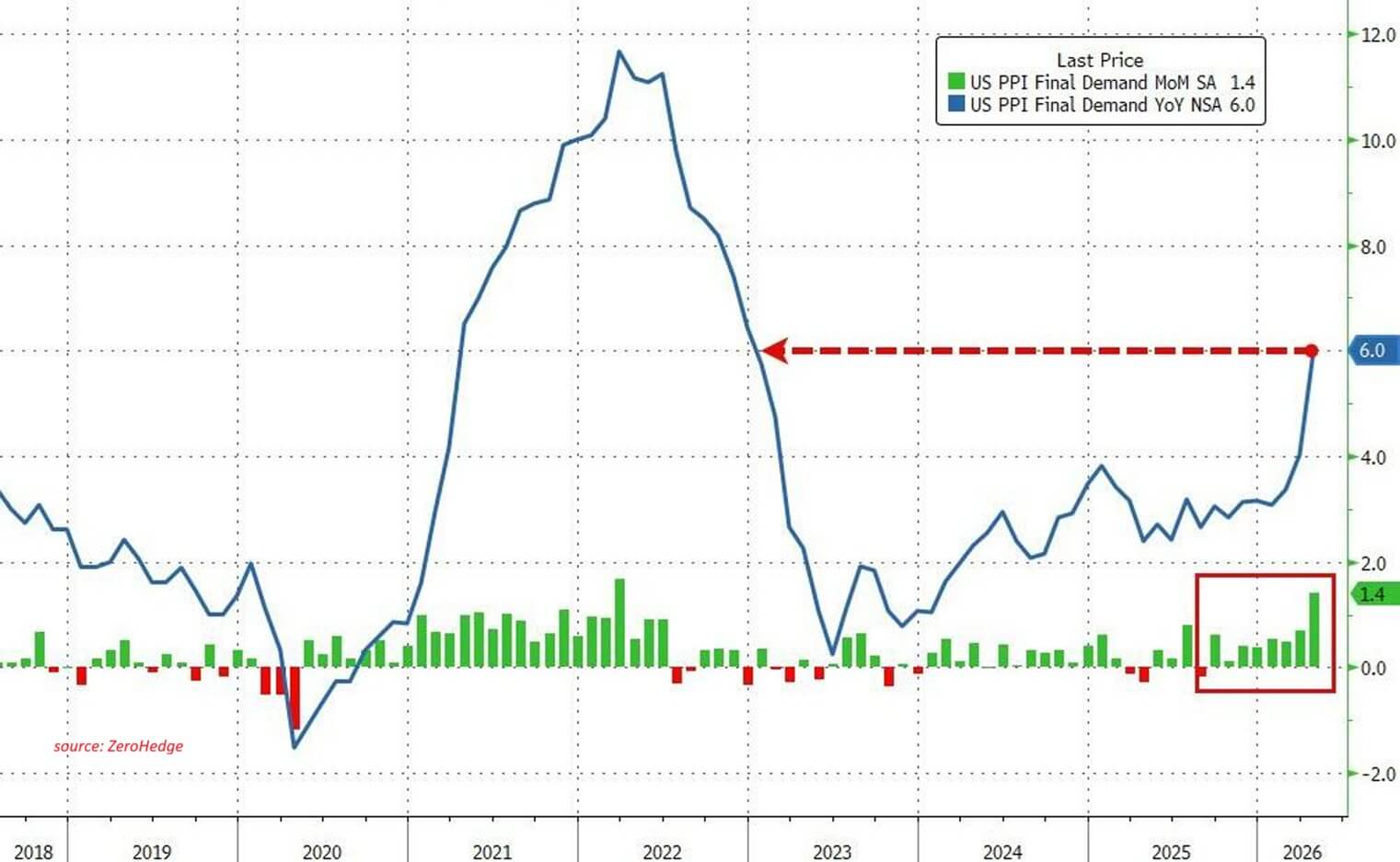
These developments reinforce fears companies continue facing cost pressures likely passed onto consumers eventually leading into higher retail pricing structures down line impacting overall spending patterns negatively affecting growth prospects ahead!
Immediate reactions followed suit ; U.S treasury yields rose sharply pushing ten-year rates back towards four point four percent whilst traders adjusted expectations downward anticipating limited near-term relief coming out Fed meetings !
This repricing creates restrictive environments making speculative investments less appealing since higher yield instruments gain attractiveness over time !
Historically speaking when real-yields rise bitcoin struggles due lack coupon payments unlike traditional bonds thus reliance shifts primarily upon anticipated appreciation potentials amidst ongoing liquidity expansions occurring throughout economy!
Please note : When both yield spikes occur simultaneously coupled sticky-inflationary trends emerge willingness diminishes significantly amongst investors willing pay premiums without concrete evidence sustained demand exists! Please take caution accordingly!
Bullish Signals Weakened By Leverage Effects At Current Levels Near $80000 Threshold!
*Current Market Positioning Suggests Amplified Volatility Potential For Both Gains And Losses!* *
*Analysts from Wintermute observed recent pushes beyond eight thousand dollar mark stemmed largely driven via derivative activities leading open interest climbing rapidly up forty-eight billion dollars month prior now exceeding fifty-eight billion dollars indicating perpetual futures played crucial roles advancing prices.*
*This doesn’t imply rallies lacked legitimacy instead renders them fragile; quick rises signify trader leveraging actions rather than long-term holders accumulating physical bitcoins!*
*In these environments favorable headlines accelerate upward momentum forcing shorts cover whereas negative news triggers opposite reaction prompting leveraged longs exit swiftly!*
Wintermute warns “covering isn’t conviction” highlighting central weakness present current moves; short-coverings can inflate values temporarily yet durable bull-markets require consistent spot buying support.
So far volume metrics reveal spot activity hasn’t kept pace surge leverage exposing vulnerabilities should squeeze lose steam!
Technical indicators align similarly pointing risks ; Relative Strength Index approaches overbought territory suggesting potential stretch ahead short term perspectives.
Low exchange reserves introduce another layer complexity – constrained supplies assist price hikes during steady demands but worsen slippage instances when rapid reductions occur suddenly!
Thinly traded markets experience sharp sentiment shifts resulting larger swings contrary fundamentals alone suggest otherwise.
Thus leaving bitcoin highly susceptible tones emanating trump-xi discussions outcomes; constructive results maintain leverage favoring bulls however stalemates escalate diplomatically turn said leverage mechanism facilitating rapid pullbacks ensuing thereafter!
FAQs:
- What factors influence Bitcoin’s price?
Bitcoin’s price can be influenced by various factors including macroeconomic data (like inflation), geopolitical events (such as meetings between world leaders), supply-demand dynamics within crypto exchanges etc. - How does inflation affect cryptocurrencies?
Inflation impacts investor behavior; high inflation generally leads people toward alternative assets like cryptocurrencies if they perceive fiat currencies losing value. - If there’s tension between China & USA will it affect crypto?
Yes! Increased tensions often lead investors away from risky assets—including cryptos—toward safer havens causing downward pressure on prices. - *What role do derivatives play in cryptocurrency trading?*
- Your question here…