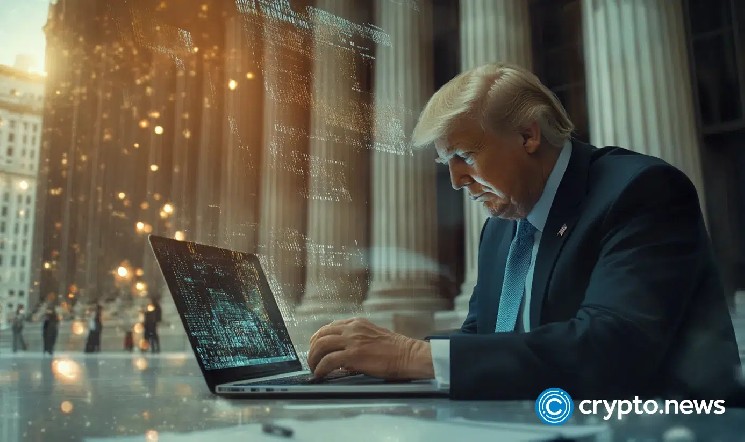
Today, President Trump is set to receive a military briefing from CENTCOM Commander Admiral Brad Cooper regarding new strategies concerning Iran. These options include a series of “short and powerful” strikes on infrastructure, a ground operation in the Strait of Hormuz, and a special forces mission aimed at securing Iran’s enriched uranium stockpile. This briefing coincides with Bitcoin trading at its lowest point since April 13.
The news about the Iran briefing emerged this morning when Axios reported that Admiral Brad Cooper will outline various military alternatives against Tehran during his meeting with Trump. General Dan Caine, Chairman of the Joint Chiefs, is also anticipated to participate in this discussion. The timing of this briefing is critical as diplomatic negotiations between Washington and Tehran have reached an impasse due to Iran’s refusal to abandon its uranium enrichment program. In separate comments to Axios, Trump indicated that he considers the naval blockade “somewhat more effective than bombing,” while emphasizing that military action remains an option.
According to crypto.news, the US naval blockade has been active since April 13 as leverage intended to compel Iranian concessions regarding nuclear enrichment; however, Tehran has rejected negotiations under what it perceives as coercive conditions. Each confirmed escalation in this conflict has triggered immediate selling pressure on Bitcoin (BTC), which fell from $79,000 down into the mid-$74,000 range over recent days due to hawkish Federal Open Market Committee (FOMC) outcomes coupled with renewed tensions surrounding Iran. Following an Axios report on April 30th detailing these developments pushed cryptocurrency prices lower upon opening—Bitcoin started trading at its weakest level since April 13 while Ethereum dropped significantly.
As noted by crypto.news previously, Bitcoin’s responsiveness to diplomatic signals related to Iran has become one of the key market dynamics observed throughout 2026; it appears more closely tied to geopolitical events than any other blockchain metric available today. Additionally noted was that Iran has begun requesting stablecoin payments from vessels navigating through the Strait of Hormuz—a move which directly intertwines cryptocurrency infrastructure within these economic complexities arising from ongoing conflicts.
FAQ
- What are some potential military options discussed for dealing with Iran?
The options include targeted strikes on infrastructure and operations involving special forces aimed at securing enriched uranium stockpiles. - How does U.S.-Iran tension affect cryptocurrency markets?
Tensions often lead investors towards selling cryptocurrencies like Bitcoin due their sensitivity towards geopolitical events; thus impacting their market prices significantly. - What role does stablecoin play in current maritime transactions involving Iranian waters?
Iran’s demand for stablecoin payments reflects how cryptocurrencies are becoming integrated into international trade routes amidst ongoing economic pressures stemming from conflict situations.