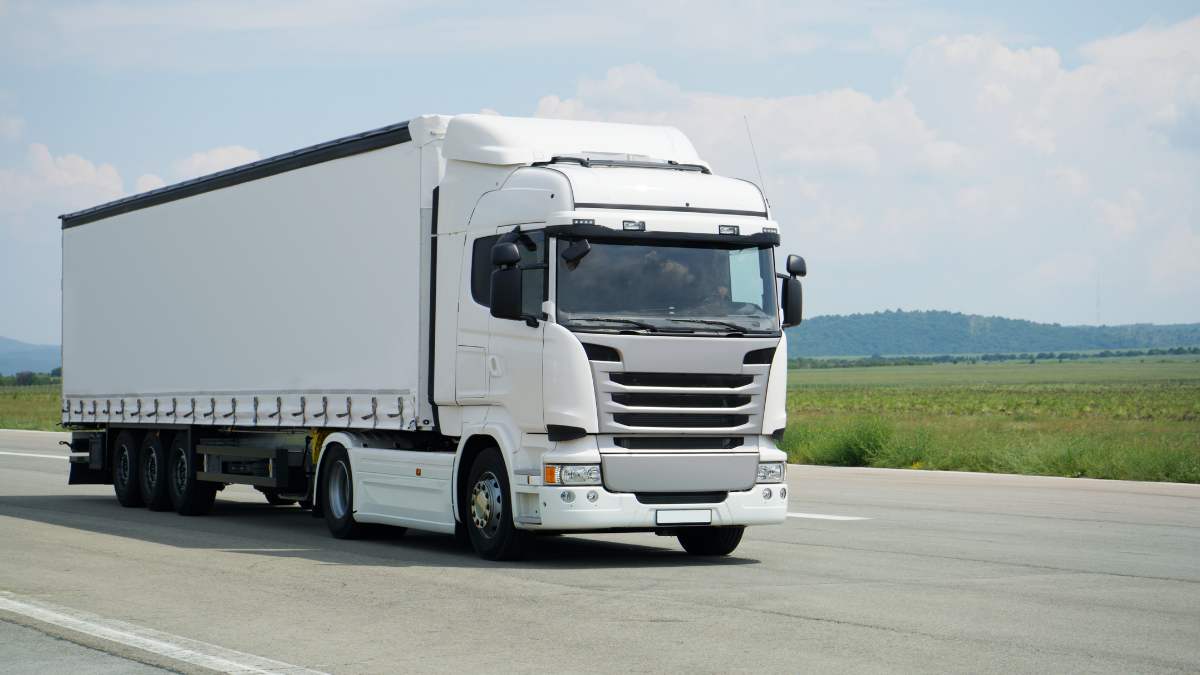
Sharp diesel price increases over the past 10 days have failed to translate into a corresponding rise in truck freight rates, as weak cargo demand and excess fleet capacity continue to limit transporters’ ability to pass on higher costs.
Diesel prices have risen cumulatively by Rs 7.50 per litre between May 15 and May 25, including a Rs 2.71 per litre increase on Monday. However, freight rates across major trunk routes have seen only limited movement, reflecting weak pricing power in the trucking sector despite rising operating expenses.
Industry bodies said the mismatch highlights a widening demand-supply imbalance, with cargo availability remaining weak while fleet capacity has expanded sharply over the past several months.
ALSO READIndia’s grid capex pipeline swells to Rs 9 trillion as power demand hits record
According to the All India Motor Transport Congress (AIMTC), there are around 9 million trucks, of which nearly 20–25% are currently lying idle due to inadequate freight availability.
Aggressive Fleet Expansion
The excess capacity situation has been aggravated by strong commercial vehicle sales between September 2025 and March 2026, supported by easy financing, GST benefits and aggressive discounts by manufacturers, resulting in additional fleet creation.
At the same time, freight movement from manufacturing and MSME clusters has weakened, reducing cargo availability and intensifying competition among transporters for available loads.
“Lower cargo movement from manufacturing clusters and subdued freight availability across industrial value chains contributed to weaker freight realisations for transport operators. Meanwhile, the prolonged uncertainty in global trade flows, caused by the West Asia conflict, weighed on supply chains, impacting cargo movement sentiment across the broader logistics ecosystem,” Crisil Intelligence said.
“The market also witnessed relatively high fleet availability, further intensifying competitive pricing pressure across long-haul freight routes. At the same time, transport operators continued to face elevated operating cost pressures, including tyre and maintenance costs, resulting in tighter operating margins despite softer freight rates,” it added.
ALSO READExplainer: The need for a fiscal buffer to handle external shocks
The situation has particularly affected smaller fleet operators, many of whom continue to run trucks at low rates to maintain cash flows and service loan repayments.
Long Turnaround Delays
According to the Indian Foundation of Transport Research and Training (IFTRT), trucks are currently waiting three to five days for return loads on several routes, compared with turnaround periods of around 24 hours seen until a few months ago.
“The demand for different destinations was very docile and mixed due to uncertain availability of loads from factory gates,” IFTRT said in its latest market assessment.
Industry estimates suggest that diesel and fuel costs account for around 50–60% of transporter operating expenses, making operators highly sensitive to fuel price changes. However, transporters said prevailing market conditions have prevented timely pass-through of cost increases.
According to Crisil Intelligence, a Rs 5 per litre increase in diesel prices would typically require freight rate revisions of around 2.5–2.8% to preserve transporter profitability. A Rs 10 per litre increase may require freight rate hikes of 5–5.6%.
“The ability of transporters to implement timely freight rate pass-throughs will remain critical, particularly for small and mid-sized fleet operators functioning on structurally thin margins,” Crisil said.
Harish Sabharwal, national president, AIMTC, said truckers were continuing operations despite financial stress because of repayment obligations.
“Truckers are still operating and bearing losses because of EMI obligations. But this situation cannot continue for long,” he said.
TOPICSFreight costsThis article was first uploaded on May twenty-five, twenty twenty-six, at fifty-two minutes past nine in the night.