Bitcoin funding rates are currently indicating one of the most bearish positioning signals seen in recent years, despite spot prices continuing to rise.
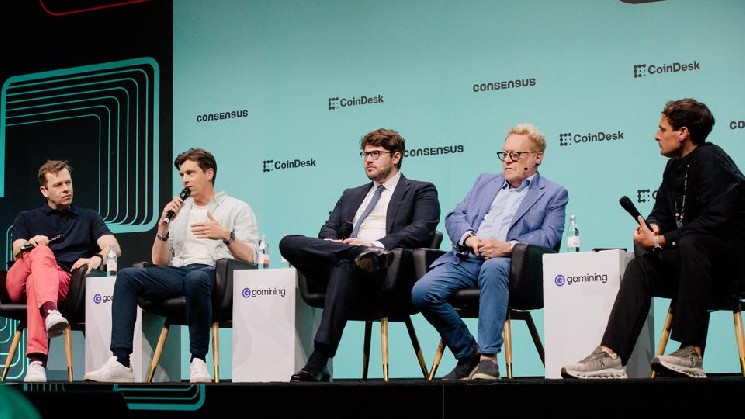
According to James Aitchison, founder and CIO of Caerus Global, during a panel discussion at Consensus Miami 2026, funding rates have hovered around minus 4% annualized. This situation suggests that long positions are being compensated for holding their exposure—a rare occurrence that indicates significant short positioning.
Aitchison remarked, “The longs are receiving payments, which is quite unusual. It’s the lowest it has been this decade on a 30-day basis.”
This scenario reflects a broader disconnect within derivatives markets. In April, Bitcoin funding rates reached their most negative levels since 2023 while BTC surpassed $75,000 at that time. Aitchison noted that similar conditions have historically preceded positive returns over periods ranging from 30 days to a year.
As of now, Bitcoin has rebounded from approximately $60,000 to the low $80,000s. This upward movement has compelled traders to reevaluate whether traditional crypto indicators remain effective in an evolving market increasingly influenced by ETFs and Wall Street dynamics.
The demand for spot bitcoin ETFs has remained strong throughout recent downturns. U.S.-based spot bitcoin ETFs attracted $1.6 billion so far this month even as short-term holders began selling off their assets.
This resilience positions ETF holders as pivotal players in the current market landscape. Dan Blackmore, chief commercial officer at Glassnode stated that Bitcoin is transitioning into a new phase characterized by reduced volatility and more strategic allocations.
“We’re witnessing the early stages of Wall Street’s influence on the crypto market,” Blackmore added.
The shift is further accelerated by options trading; IBIT options open interest surpassed Deribit’s in April—indicating a migration of Bitcoin derivatives activity towards regulated U.S venues. Morgan Stanley launched its bitcoin ETF just last month adding another significant wealth-management platform into play.
Panelists expressed differing opinions regarding the relevance of the four-year cycle moving forward. Michael Terpin—author of “Bitcoin Supercycle”—suggested that Bitcoin might experience further declines before facing a larger supply shock anticipated between 2028-2029; while others contended that as Bitcoin evolves into an asset recognized by traditional finance (TradFi), its halving cycle may be losing significance.
The year-end predictions reflected these divisions among experts: Terpin and Blackmore indicated they do not foresee new highs for Bitcoin this year; however Cole Kennelly—founder of Volmex Labs—believes reaching $250K remains feasible while Aitchison considers $150K achievable if rate cuts occur again soon enough.
FAQ
- What does it mean when bitcoin funding rates are negative?
A negative funding rate indicates that those holding long positions are being paid rather than paying fees themselves due to high short positioning in the market. - How can ETF demand impact bitcoin prices?
The demand for ETFs can stabilize or drive up prices as institutional investors enter or maintain investments during price fluctuations or downturns in other areas like direct holdings. - If traditional signals become less effective with changing markets?
This could suggest traders need new strategies tailored specifically toward evolving influences such as institutional involvement through products like ETFs instead relying solely on historical trends associated with cryptocurrencies alone. - Certain predictions about future price points seem divided among experts why?
Diverse perspectives arise from varying interpretations surrounding external factors influencing cryptocurrency valuations including regulatory changes & macroeconomic conditions impacting investor sentiment overall leading analysts arriving at different conclusions regarding potential highs/lows ahead!