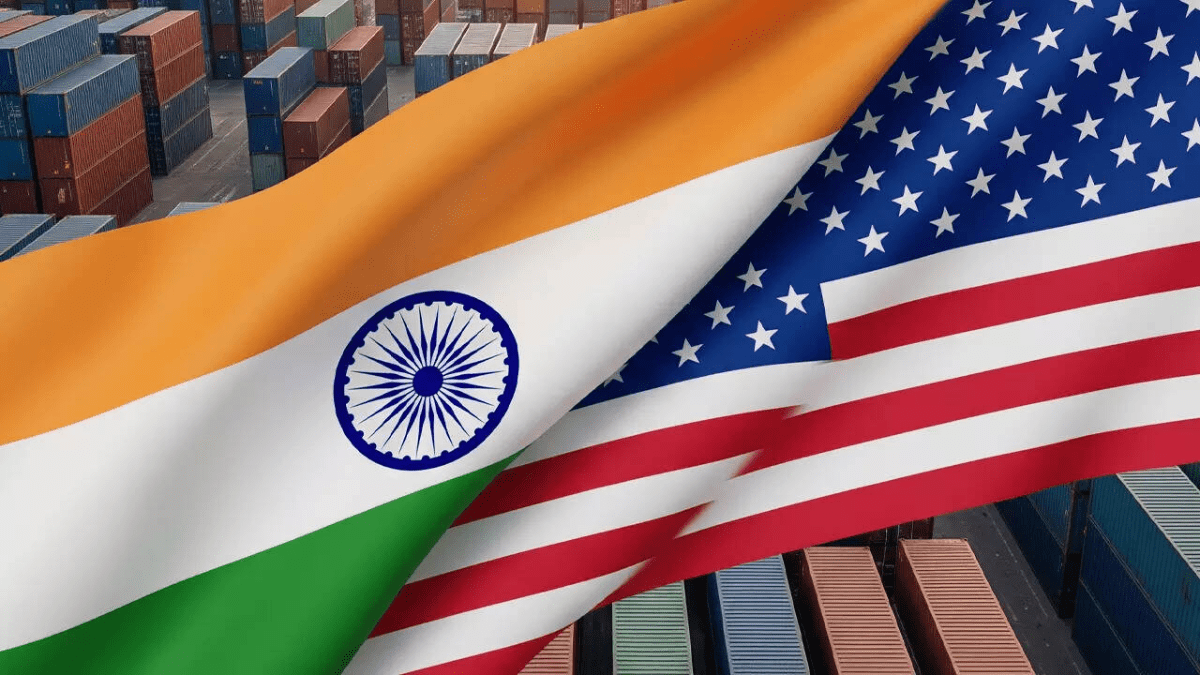
India is a tough nut to crack for trade concessions on agriculture, US Trade Representative (USTR) Jamieson Greer has said, as negotiators from both countries wrapped up their three-day talks in Washington for finalising a formal trade agreement.
India described the talks as “ongoing and constructive”.
“Both sides are working towards a balanced, mutually beneficial and forward-looking trade agreement, taking into account each other’s concerns and priorities, and to achieve a trade target of $500 billion by 2030,” Ministry of External Affairs (MEA) Spokesperson Randhir Jaiswal said at a weekly media briefing.
A team of Indian officials led by chief negotiator and Additional Secretary in the Department of Commerce Darpan Jain was in Washington from Monday to Wednesday for discussions with their American counterparts for finalising the legal agreement based on the joint statement of February 7.
ALSO READRs 5,000-crore incentive for states to fast-track mining reforms
On Wednesday, Greer told the US Congress’ committee on ways and means, “India is a tough nut to crack. They have protected their agriculture market for a very long time. They still want to protect a lot of that.”
“India trade negotiators are in town this week. We have been talking about these issues — including specific commodities like DDG, soyabean meal and ethanol,” Greer said in response to a query from a member of the committee.
DDG is a nutrient-rich co-product of the ethanol distillation process. Mostly derived from corn, they are high in protein, fat, fibre, and nutrients, making them a popular, cost-effective high-protein feed for livestock like cattle.
Navigating Commodities
It was the first physical meeting between the two sides after the trade deal framework was announced.
According to the joint statement, India has agreed to eliminate or reduce tariffs on all US industrial goods and a wide range of US food and agricultural products, including dried distillers’ grains (DDGs), red sorghum for animal feed, tree nuts, fresh and processed fruits, soyabean oil, wine and spirits, and additional products.
ALSO READWheat purchase picks up after norms eased
India, through the negotiations, is aiming to preserve the comparative tariff advantage in the American market it had got when the framework of the deal was agreed. As per the framework, reciprocal tariffs on India were to be brought down to 18% from 25% and 25% penal tariff for buying Russian oil were immediately removed. The 18% tariffs were lower than what India’s competitors had got in the US market.
Legal Hurdles
However, on February 20 the US Supreme Court invalidated the reciprocal tariffs announced on April 2 last year. This put a question mark on the deal that was agreed on February 7. After the Supreme Court order, the US government by executive order imposed 10% duties on all imports under Section 122 of the Trade Act.
It also initiated two investigations under Section 301 of the Trade Act against countries, including India, to retain the leverage in trade negotiations. Under Section 301 there is no limit on the level of tariffs that the US can impose.
Another reason for continuing the negotiations with the US even after the Supreme Court verdict is to avoid any additional tariffs that the US might impose after the investigation under Section 301 is concluded.
TOPICSAgriculture SectorThis article was first uploaded on April twenty-four, twenty twenty-six, at twenty-eight minutes past twelve in the am.