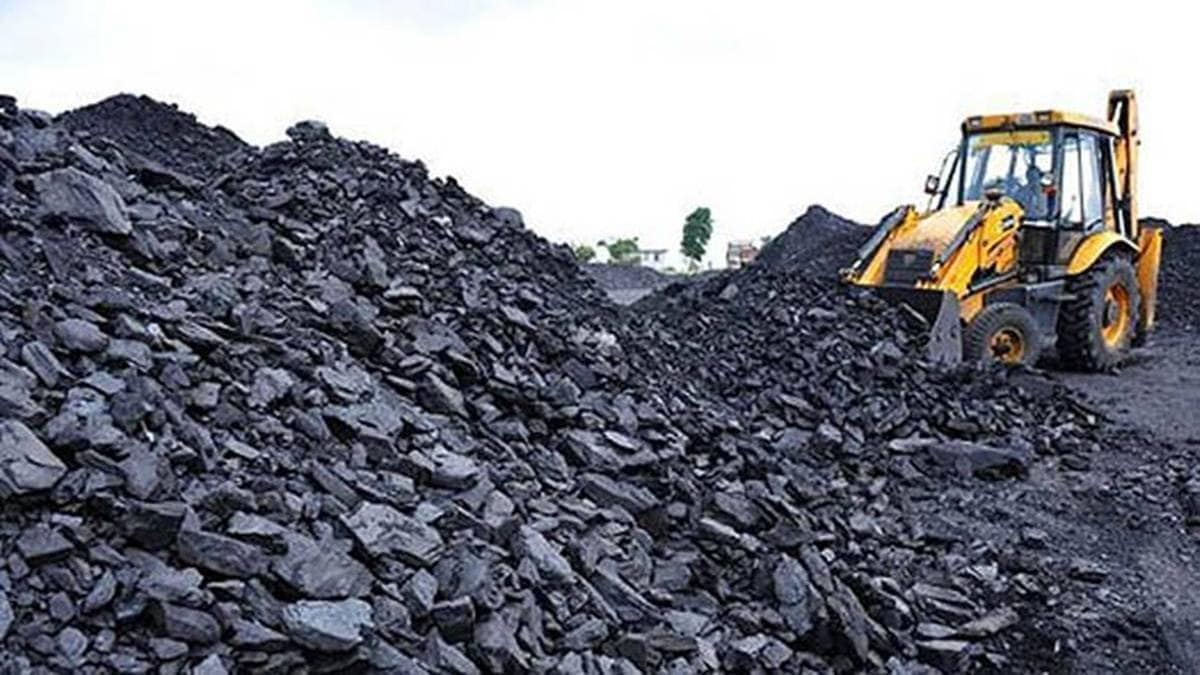
Amid mounting disruptions in global energy markets and rising risks to oil and gas supplies through the Strait of Hormuz, the Union Cabinet on Wednesday approved a ₹37,500-crore incentive scheme for coal gasification projects aimed at cutting India’s ₹2.77 lakh crore import dependence on LNG, ammonia, methanol, fertilisers and other industrial feedstocks.
The scheme, one of the biggest interventions in India’s coal-to-chemicals sector, is expected to catalyse investments of ₹2.5-3 lakh crore and support gasification of 75 million tonnes of coal as the government pushes to reduce exposure to volatile global fuel markets and supply chain disruptions triggered by the ongoing West Asia conflict.
Announcing the decision after the Cabinet meeting chaired by Prime Minister Narendra Modi, Union information and broadcasting minister Ashwini Vaishnaw said the move was aimed at strengthening long-term energy self-reliance.
ALSO READFood inflation rises to 4.2% in April, tomato prices key driver
“We all know about the current geopolitical situation. So we have to take all the decisions to become Atma Nirbhar. In this context, a big decision on coal gasification was taken today,” Vaishnaw said.
“An outlay of ₹37,500 crore has been kept for this scheme, and there will be an investment of around ₹3 lakh crore in this, and the projects will be put up for gasifying 75 million tonnes of coal,” he added.
From Imports to Atma Nirbharta
The government said the programme would accelerate India’s target of gasifying 100 million tonnes of coal by 2030 and support domestic production of synthetic natural gas (SNG), methanol, ammonia, hydrogen and fertiliser feedstocks.
“At present, more than 50 per cent of the LNG is currently imported, it will be reduced. The urea which we import will also start manufacturing in India. Ammonia is 100 per cent imported today. With this development, new avenues for ammonia production will open. Methanol is currently 80-90 per cent imported that will also be made in India,” Vaishnaw said.
Coal gasification converts coal and lignite into synthetic gas or syngas, which can be used to produce fuels, fertilisers and industrial chemicals domestically while reducing reliance on imported molecules.
Funding Architecture
The incentive scheme will provide financial support of up to 20 per cent of plant and machinery costs through a competitive bidding mechanism linked to project milestones.
ALSO READRetail inflation inches up to 3.48% in April
Financial support for any single project will be capped at ₹5,000 crore, while incentives for a single product category will be capped at ₹9,000 crore. Total support available to a single corporate group across projects will be capped at ₹12,000 crore.
The government estimates that utilisation of 75 million tonnes of coal and lignite under the programme could generate annual revenues of around ₹6,300 crore in addition to downstream GST and tax collections.
India currently holds one of the world’s largest coal reserves at 401 billion tonnes along with 47 billion tonnes of lignite reserves. Coal continues to account for more than 55 per cent of India’s total energy mix.
Vaishnaw said India’s coal reserves were sufficient for nearly 200 years, making coal gasification an important pillar of long-term energy resilience.
The latest scheme builds on the National Coal Gasification Mission launched in 2021 and the earlier ₹8,500-crore incentive package approved in January 2024, under which eight projects worth ₹6,233 crore are already under implementation.
Commenting on the move, Atanu Mukherjee said the scheme marked a shift from short-term energy management towards long-term structural transformation.
“The real challenge is not just managing price shocks when they occur, but structurally reducing the sources of import dependence over time,” Mukherjee said, adding that coal gasification could become a key pillar of India’s energy resilience architecture if backed by the right technology, financing structures and downstream industrial integration.
TOPICSCoalThis article was first uploaded on May thirteen, twenty twenty-six, at twenty-one minutes past eight in the night.