As the cryptocurrency enthusiasts reveled in Bitcoin’s surge to $75,000, new economic data from the U.S. prompted a significant reevaluation among market participants. The concern stemmed not from any technical glitches but rather from an unexpected resurgence of inflation in the United States.
The figures that dampened the spirits of bullish investors were striking; March’s producer price index (PPI) surged by 0.7%, far exceeding expectations of just 0.3%. This marks the most substantial increase since last summer, with the annual PPI rising to 3.4%, sending a clear message that inflationary pressures remain persistent.
Implications of Recent PPI Surge on Bitcoin’s Trajectory Towards 2026
This scenario poses a significant challenge for Bitcoin as it shatters any illusions about a smooth economic recovery and imminent interest rate reductions. Instead of introducing more liquidity into the market through lower rates, it appears that the Federal Reserve may need to reconsider its stance and potentially raise rates again.
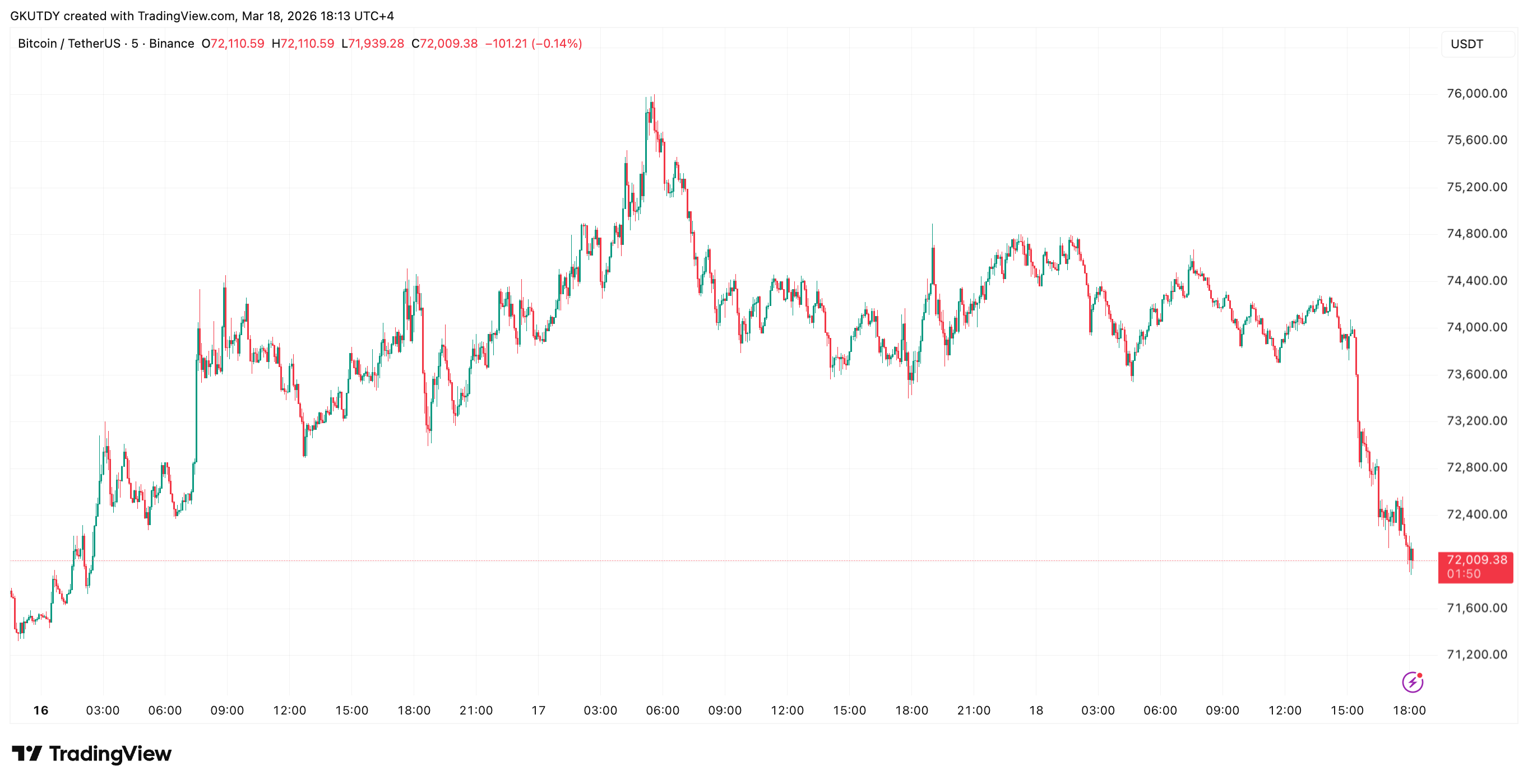
Why did Bitcoin take an immediate hit? Following this news release, investors adopted a risk-averse approach, with BTC serving as an indicator for liquidity levels. A higher-than-expected PPI typically leads to an appreciation of the dollar while diminishing risk assets’ appeal. Consequently, it seems that resistance has solidified within the $74,000-$76,000 range.
Looking ahead, there are two upcoming Federal Open Market Committee (FOMC) meetings—one today and another at month’s end—where previously anticipated dovish tones may shift towards a more hawkish outlook under Jerome Powell’s guidance.
In conclusion, markets are entering a phase characterized by systemic risks due to rising producer prices likely translating into increased consumer prices; this suggests prolonged elevated inflation levels ahead. For those optimistic about Bitcoin’s future prospects, it’s clear: achieving easy gains back up to $100k or beyond is no longer on straightforward terms.