
Follow Us
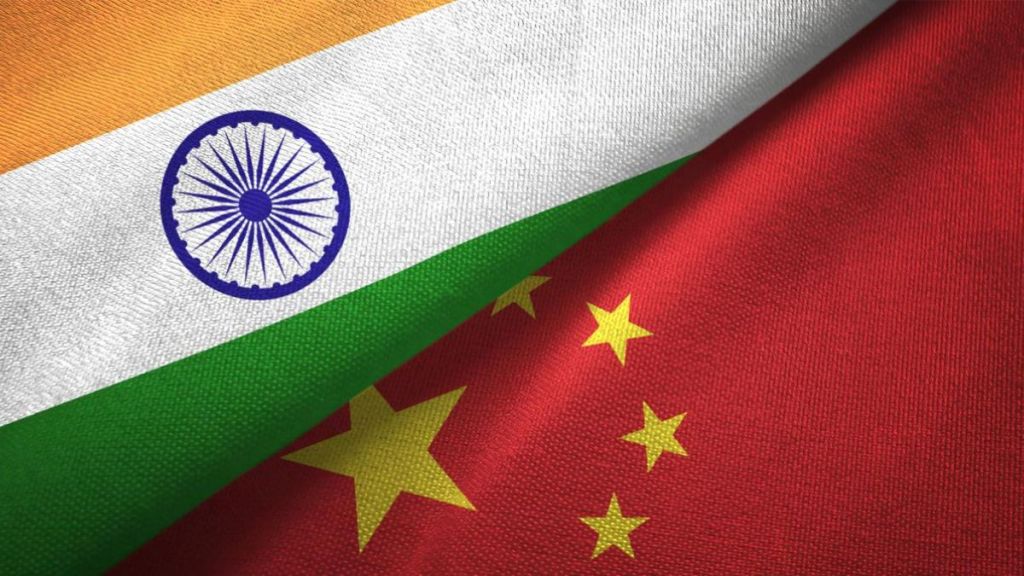
India is better placed than several Asian economies, including China, to weather the US Section 301 tariffs, with a lower tariff burden and some of its key export items to the US—such as smartphones, petroleum products and pharmaceuticals outside the levy, the Reserve Bank of India’s (RBI) staff said in its August Bulletin.
The US Section 301 tariffs, which came into effect on July 24, have levied an additional 10% duty on imports from India.
“However, India’s major export commodities to the US, such as smartphones, petroleum products and pharmaceuticals, remain outside its purview. India is likely to be less affected than some of the Asian economies in the US market, such as China, Vietnam and Thailand,” the RBI staff said in the State of the Economy article, part of the Bulletin.
India also faces a lower Section 301 tariff compared with China, Vietnam and Thailand, which all face an additional 12.5% duty.
These fresh tariffs by the US, along with geopolitical frictions in West Asia, continue to shape the global economic outlook, the RBI staff said.
ALSO READCheap Chinese imports vs Make in India: The trade battle India may face next
“Despite these risks to global trade and the growth-inflation matrix, India’s robust macroeconomic fundamentals continue to provide a cushion to the domestic economy,” the staff noted. The views expressed in the article are those of the authors and do not represent the views of the central bank, the RBI said.
The momentum in economic activity seen in the April-June quarter continued in July, the staff said. Most high-frequency indicators reflected sustained manufacturing and services activity in July, along with double-digit expansion in merchandise exports and imports.
Domestic demand remained strong in July, supported by rural demand, the RBI staff said. Urban demand also remained firm, with passenger vehicle sales maintaining high growth.
The recovery in the southwest monsoon in July helped kharif sowing move closer to normal acreage, partly mitigating some of the risks to the agriculture sector, the RBI staff said.
According to an FE poll, India’s GDP is projected to have grown 7.2% in the June quarter, the lowest in four quarters but higher than the RBI’s projection of 7%. The Ministry of Statistics and Programme Implementation will release the April-June GDP data on August 31.
ALSO READIndia’s core sector scorecard: Core sectors propelling Indian economy vs those pulling it down
Liquidity conditions eased in July, supporting credit growth and ongoing investment activity, the RBI staff said. Foreign capital inflows also rebounded, reinforcing the external sector, the staff added.
Inflation risks
The RBI staff flagged risks of higher food inflation this month, with high-frequency data till August 21 suggesting a broad-based sequential increase in food prices.
Rice and wheat prices continued to rise in August, though the pace of month-on-month increase stabilised, the RBI said. Prices of all major pulses inched up over July, while edible oil prices registered broad-based increases, led by mustard and palm oil, the RBI staff said.
“Pace of increase in prices of key vegetables moderated sequentially, with tomato prices recording a m-o-m decline,” the staff said.
Consumer Price Index (CPI) inflation rose fractionally in July to 4.45% from 4.38% in June, due to higher food inflation, while core inflation remained stable. The July CPI inflation print was the highest in 19 months and the second consecutive print above the RBI’s medium-term inflation target of 4%.
“While headline CPI inflation edged up above the target, it was primarily on account of supply side pressures. Stable core inflation reaffirmed the lower pass-through of cost pressures,” the staff noted.
The RBI has projected CPI inflation to average 5% in the current financial year, with price increases expected to peak in the October-December quarter at 5.9%.
TOPICSECONOMYRBIThis article was first uploaded on August twenty-five, twenty twenty-six, at fifty-seven minutes past nine in the night. © IE Online Media Services (P) Ltd