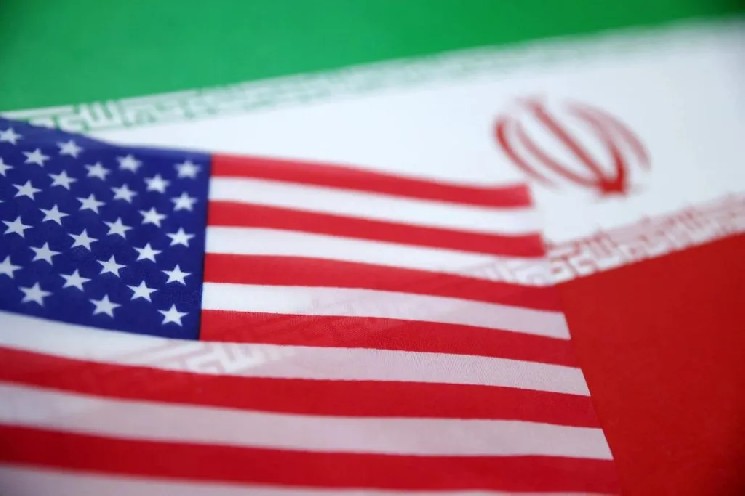
Iran has dismissed the United States’ suggestion to reopen the Strait of Hormuz, labeling it as an “unrealistic” proposal.
Mohsen Rezaei, a senior Iranian official, emphasized that Tehran would not endorse any agreement lacking compensation for damages incurred during the conflict. He pointed out that Washington’s proposed framework falls short of Iran’s expectations and stated that mere symbolic concessions would be unacceptable. According to Rezaei, any potential agreement must offer “concrete benefits.” He further indicated that Iran will persist in its “resistance,” suggesting no change in Tehran’s firm position despite ongoing diplomatic discussions.
Related News Major Bitcoin Bull Arthur Hayes Claims the BTC Price Is Driven by This, Not by New Regulations or U.S. Laws
Conversely, a classified US intelligence report cited by The Washington Post suggests that Iran is capable of enduring a possible US naval blockade of the Strait of Hormuz for several months. This assessment from unnamed US officials indicates that Iran could withstand such a blockade for between 90 to 120 days and potentially even longer.
The report also highlighted that despite continuous assaults from both the US and Israel, Iran has preserved a significant portion of its missile and drone arsenal. This persistence underscores Tehran’s military capabilities remain robust.
The White House contends that sanctions have severely impacted the Iranian economy; however, intelligence findings suggest Tehran possesses enough resilience to prevent an immediate economic collapse through strategies like utilizing its oil reserves and alternative smuggling routes.
*This is not investment advice.
FAQ
- What was Iran’s response to the US proposal regarding the Strait of Hormuz?
Iran rejected it as unrealistic and insufficient without compensation for war damages. - How long can Iran withstand a potential naval blockade?
A classified assessment suggests up to 90-120 days or possibly longer. - What does Mohsen Rezaei say about future agreements with Washington?
No agreements will be accepted unless they provide concrete benefits beyond symbolic gestures. - Doe sanctions affect Iran’s economy significantly?
The White House claims they do; however, intelligence reports indicate resilience through oil reserves and smuggling routes may mitigate this impact.