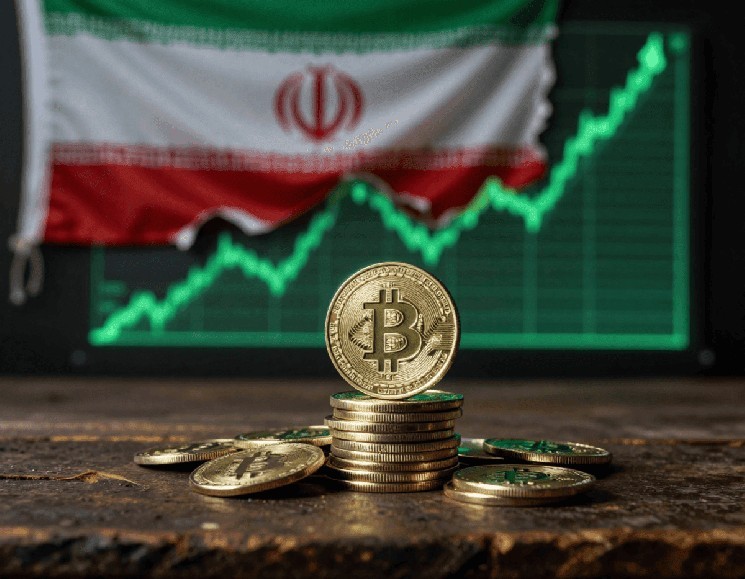
Once again, global markets are grappling with heightened geopolitical tensions. Developments involving Iran, the United States, and Israel — particularly concerns regarding the Strait of Hormuz — have sparked uncertainty across conventional financial markets.
In contrast to these events, the cryptocurrency sector has exhibited unexpected resilience. Bitcoin continues to hover around the $70,000 mark, defying the sharp sell-offs that typically accompany geopolitical turmoil.
This unusual market behavior prompts a critical question: why is Bitcoin seemingly unaffected by the conflict in Iran?
A Brief Decline Followed by Recovery for Bitcoin
The initial reports of escalating tensions led to a temporary downturn in the crypto market. Bitcoin experienced a brief decline as traders sought to minimize risk exposure amid global uncertainties.
This drop was short-lived; within hours, buyers entered the market and stability returned. Bitcoin swiftly bounced back into the $70K range, indicating that demand remains robust despite prevailing macroeconomic challenges.
This trend — characterized by quick dips followed by rapid recoveries — has become increasingly prevalent in recent years.
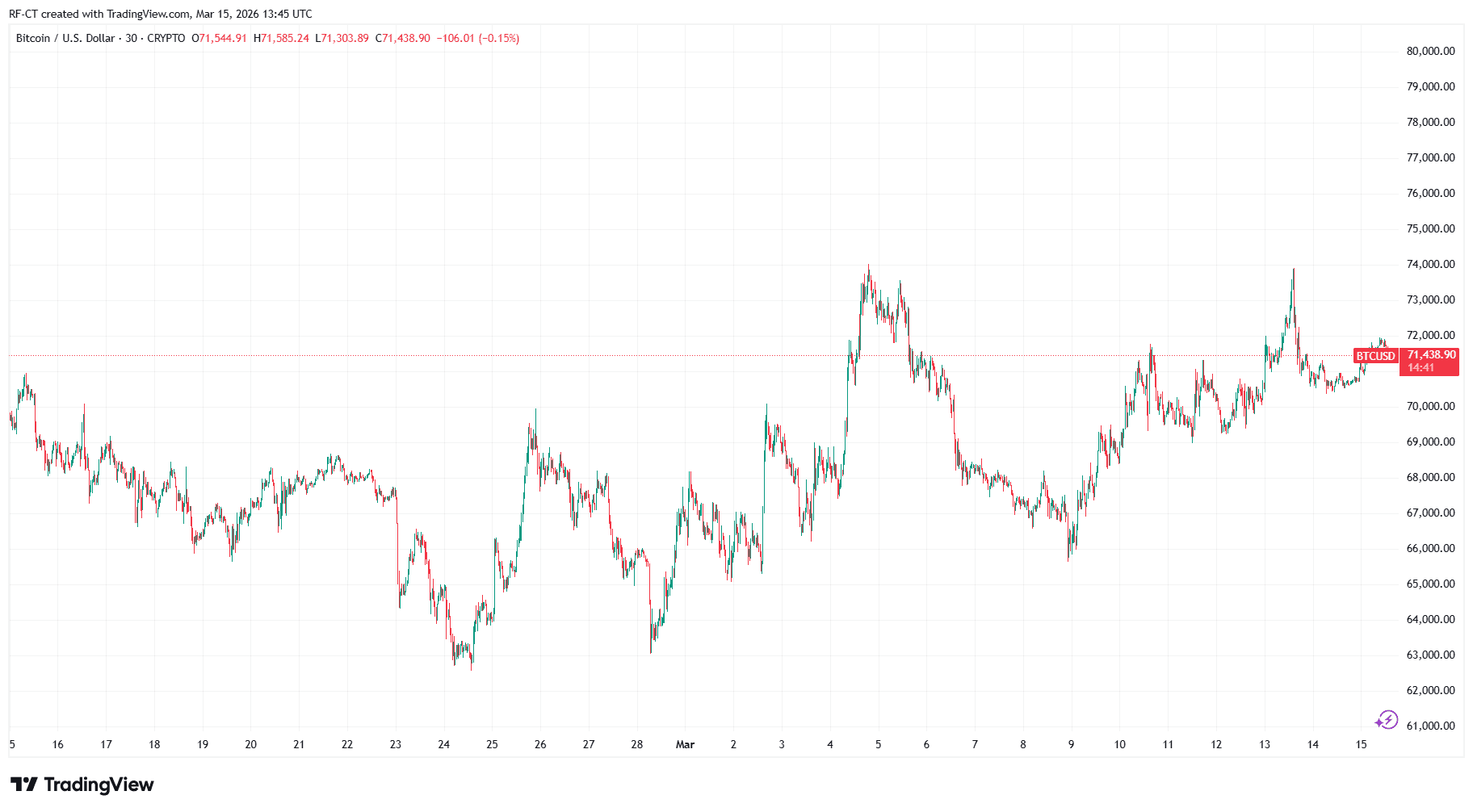
By TradingView – BTCUSD_2026-03-15 (1M)
The Influence of Institutional Demand on Market Dynamics
A significant factor contributing to Bitcoin’s current resilience is its increasing adoption among institutional investors.
Large corporations, hedge funds, and exchange-traded funds (ETFs) have markedly raised their stakes in Bitcoin over recent years. These entities often adopt long-term strategies and are less prone to panic during fleeting geopolitical disturbances.
This institutional interest can serve as a stabilizing force within the market, helping absorb selling pressure during times of uncertainty.
The Evolution of Bitcoin as a Macro Asset
An additional reason for Bitcoin’s strength lies in its evolving status as a macro asset.
Historically speaking, geopolitical crises would lead cryptocurrencies like Bitcoin to plummet as investors flocked towards traditional safe havens such as government bonds or US dollars.
<pHowever today’s landscape sees many viewing $BTC more favorably—as an alternative store of value against monetary instability and inflationary pressures stemming from geopolitical risks over time. .... This shift is gradually altering how investors perceive and react toward global events impacting this digital currency ecosystem..
Tensions Surrounding Oil Prices and Inflation Linked with Strait of Hormuz Issues
.
.
.
.
.
.
.
&nb sp;
&nbs p;
&nbs p;
&n bsp;
&
;
&
;
&
; .
.
.
. . .
. .
.
…..
……………
……….
……………
………………
………………
……………….
………………….
……..
……
…
..
.
…
….
…
….
…..
……
…….
……….