President Donald Trump of the United States has accused Iran of violating a ceasefire agreement.
This allegation comes in light of reports indicating that Iran fired shots in the Strait of Hormuz during the designated truce period.
Trump characterized this incident as a “serious breach” and cautioned that additional measures might be taken if diplomatic efforts do not succeed. He remarked, “it will happen, one way or another,” while discussing ongoing attempts to find a resolution.
In spite of rising tensions, Trump noted that talks are still underway. He expressed optimism about reaching an agreement before the ceasefire deadline on April 22.
Iran’s Counterarguments
Iranian officials have countered these allegations by blaming the United States instead. A representative from Iran’s Ministry of Foreign Affairs claimed that U.S. actions had violated the ceasefire terms.
The spokesperson asserted, “the blockade of ports is unlawful and violates international law,” in a publicly released statement. The response also cited various international legal frameworks, including sections under the United Nations Charter.
The Iranian statement framed this situation as an escalation rather than merely one side breaking agreements. Both parties have continued to trade accusations, which adds to uncertainty regarding the status of the ceasefire.
Bitcoin’s Market Response to Geopolitical Tensions
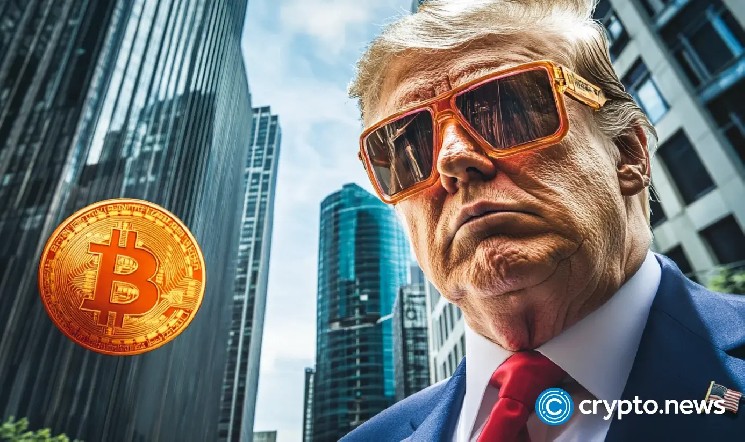
The price of Bitcoin has reacted notably to these geopolitical developments. The cryptocurrency fell from approximately $76,300 down to around $75,500 following reports indicating renewed tensions between Iran and the U.S.
Market analytics reveal that Bitcoin had previously surged past $78,000 after initial news hinted at progress in negotiations; however, this upward trend reversed due to conflicting updates regarding the ceasefire from both nations.
The cryptocurrency market is known for its sensitivity towards geopolitical events; price fluctuations often reflect investor sentiment and risk assessment during times marked by uncertainty.
Additonally, other segments within crypto markets have experienced volatility throughout this timeframe as traders adjust their positions based on fresh information emerging from diplomatic dialogues.
Bitcoin remains particularly responsive to external factors tied closely with global stability and economic perspectives. Market participants are keenly observing updates related to both parties’ negotiations over potential policy responses stemming from these events.
Price movements have remained relatively stable within a limited range over recent trading sessions—a sign reflecting cautious trading strategies among investors as discussions between Iran and America continue without resolution in sight.