In just three days, Bitcoin experienced a remarkable increase of $5,000, reaching its highest point since February. This surge pushed the total market capitalization to $1.58 trillion and resulted in a significant short squeeze that liquidated $207 million in short positions.
Highlights:
On April 22, Bitcoin soared to $79,500 after President Trump announced an extension of the ceasefire with Iran.
A substantial short squeeze occurred as Bitcoin’s market cap approached $1.58 trillion, leading to the liquidation of $207 million in bets.
Analysts from QCP predict that $BTC will remain stable until oil prices decline or clearer guidance is provided by the Federal Reserve.
$207 Million Liquidated from Short Positions
The recent bullish trend for Bitcoin has gained momentum over the past 72 hours, adding an impressive $5,000 and hitting an intraday high of $79,500 on April 22 at approximately 11:15 AM EST. This marks a notable return to levels not seen since early February. The price movement highlights how sensitive the market has become regarding geopolitical events; particularly as Bitcoin is increasingly viewed as a rapid-response asset amid global tensions—rising sharply following President Trump’s last-minute announcement extending the Iran ceasefire and averting immediate military conflict.
Although it dipped slightly below $79,000 shortly after peaking for the day, data indicates that Bitcoin was still nearly 4% higher than it was at this time on Tuesday and had increased by 6.6% over seven days. This growth elevated its market capitalization to around $1.58 trillion—a significant rise from approximately $1.36 trillion recorded on April 1st—and led to liquidations totaling about $207 million in short positions within just one day compared to only about $28 million in long positions being closed out during that timeframe.
An earlier report from Bitcoin.com News linked this price surge directly with President Trump’s announcement regarding extending U.S.-Iran ceasefire negotiations made late Tuesday night following Iran’s decision not to participate in peace discussions held in Islamabad Pakistan. While Trump suggested this delay would provide Iranian leaders additional time for consideration; various media outlets have pointed towards internal conflicts among government officials alongside influence exerted by Islamic Revolutionary Guard Corps (IRGC) as contributing factors preventing Iran’s delegation attendance at these talks.
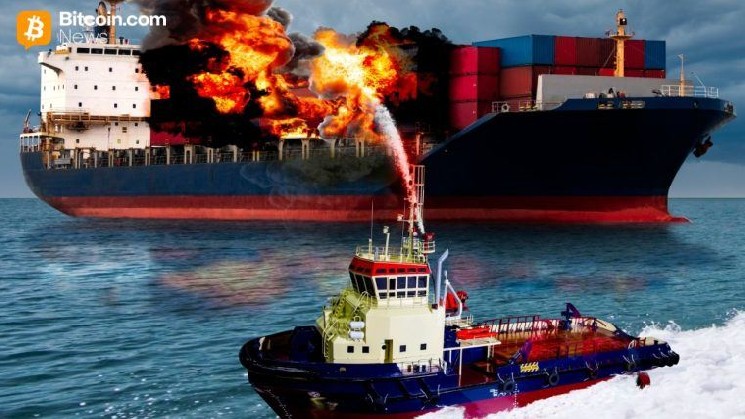
This escalation came amid reports earlier that day indicating attacks on three commercial vessels within Strait of Hormuz; subsequently followed by IRGC claims stating they had seized two ships belonging thereto—marking a notable increase since U.S Navy forces boarded an Iranian-flagged vessel over previous weekend—but markets remained largely unaffected including major U.S equity indices which showed resilience during these developments with Nasdaq rising by approximately 1.38%, S&P500 increasing around 1.25%, while Dow Jones Industrial Average also saw gains exceeding 300 points during same period analyzed here!
Market Analysts’ Perspective: Temporary Relief or Sustained Confidence?
Despite witnessing double-digit increases throughout early month trading sessions thus far—QCP analysts caution against interpreting current price movements solely indicative of renewed investor confidence instead suggesting relief stemming primarily due reduced near-term escalation risks post-ceasefire extension along Kevin Warsh’s testimony reinforcing persistent inflationary pressures driven largely via sustained disruptions affecting oil supply approaching near-record highs ($100 per barrel). Consequently leaving markets grappling between ongoing inflationary concerns coupled softening demand outlook complicating overall policy trajectories moving forward!
“For cryptocurrency sector specifically,” noted analysts “$BTC‘s rebound appears more attributable towards diminished tail risk rather than any substantive improvement fundamentals-wise.” They further explained open interest rebuilding coupled negative funding rates suggest fresh shorts entering rather than capitulating which maintains active squeeze dynamics albeit underlying conviction remains relatively shallow overall!”
The analysts concluded their insights emphasizing future trajectories hinge closely upon developments surrounding both crude oil pricing alongside potential policy shifts noting absent such catalysts likely leads continued holding patterns across broader financial landscapes reflecting uncertainty prevailing versus resolutions emerging anytime soon ahead!