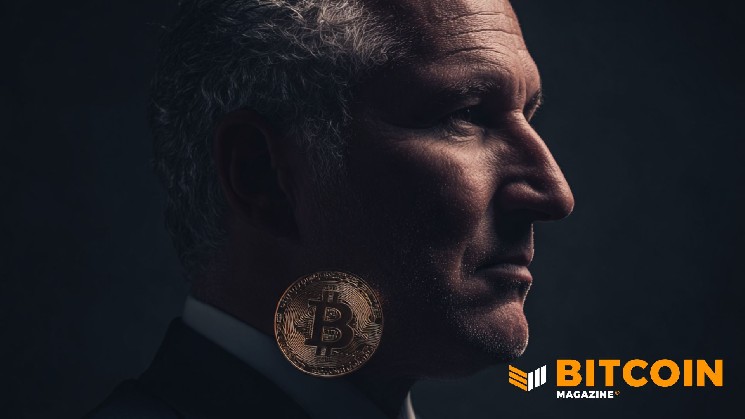
Peter Schiff Claims Bitcoin Will Not Emerge as the Global Reserve Currency in Interview with Tucker Carlson
Gold proponent and vocal critic of Bitcoin, Peter Schiff, has intensified his criticism of the cryptocurrency during a recent discussion with Tucker Carlson. He contended that the crypto sector is not pursuing government regulation to self-regulate but rather to gain public legitimacy through state endorsement.
Schiff argued that demands for regulatory “clarity” within the cryptocurrency space are essentially efforts to secure governmental approval. He believes that such regulations would enable Bitcoin advocates to assert official backing, thereby attracting new investors who might think the asset has received validation from authorities.
“The government now backs it. The government is supporting it,” he stated, suggesting that political support for Bitcoin stems more from financial motivations than any underlying economic principles.
The investor claimed that early adopters of Bitcoin who profited from subsequent capital inflows have leveraged their wealth to sway politicians—including former President Donald Trump—to endorse the digital currency publicly.
He cited proposals for establishing a U.S. strategic reserve for Bitcoin as indicative of what he termed a potential “Bitcoin bailout fund,” which would utilize taxpayer dollars to prop up the market.
While Schiff did not provide concrete evidence supporting his assertions about politicians being “bribed,” he framed these views as his interpretation of political incentives related to cryptocurrency legislation.
Carlson countered by suggesting that diminishing purchasing power of the U.S. dollar and its role in geopolitical strategies indicate a need for an alternative global reserve asset. He questioned why assets like Bitcoin or stablecoins such as Tether couldn’t fulfill this function.
In reply, Schiff reiterated his long-standing differentiation between money and currency, asserting gold qualifies as money while both fiat currencies and cryptocurrencies like Bitcoin serve merely as substitutes reliant on public confidence rather than inherent value. He maintained that speculation drives Bitcoin’s worth—people buy it hoping they can sell it later at higher prices—rather than its effectiveness as a reliable store of value.
“Most individuals investing in Bitcoin do so aiming for more dollars,” said Schiff. “If they were seeking a secure store of value, they’d opt for gold.”
Schiff: Viewing Bitcoin As A Passing Trend
The financier expressed skepticism regarding bitcoin’s viability as a reserve asset suitable for central banks due to its volatility potentially destabilizing markets if held on large scales. While acknowledging some sovereign wealth funds and governments have made limited investments in bitcoin-related assets, he emphasized these allocations are minor and motivated by performance pressures rather than genuine belief in crypto’s potential.
He forecasted dwindling institutional interest moving forward while cautioning recent investors about possible losses ahead. Notably, Schiff pointed out how bitcoin remains significantly below its peak when assessed against gold values—reportedly down around 40% relative over four years against gold benchmarks.
Additonally, he dismissed overall comparisons between bitcoin and gold by arguing bitcoin functions primarily as speculative investment instead of sound monetary form.
Parellels With Past Speculative Bubbles. (“” )“
This post Peter Schmidt Says Bitcon Won’t Become The World’s Reserve Currency In Tucker Carlson Interview first appeared on Bitcon Magazine And Is Written By Micah Zimmerman.”
)