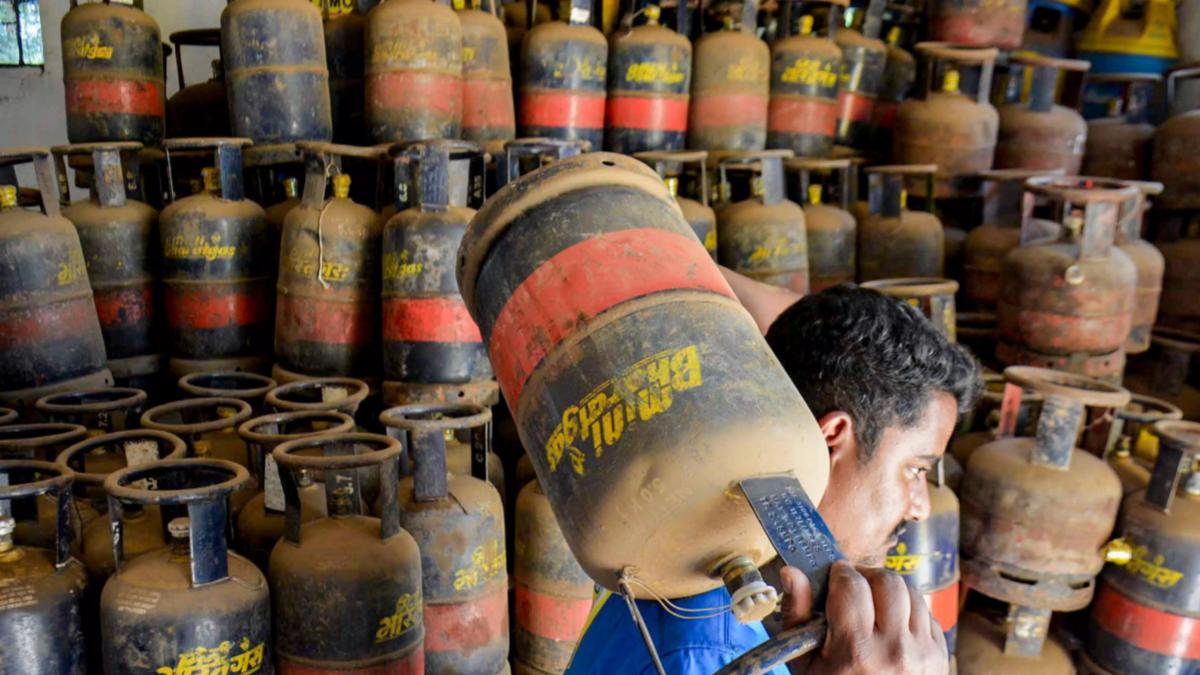
A six-month disruption in commercial LPG supplies could create 11.75 terawatt-hours (TWh) of additional electricity demand and push the peak load by 5-10 gigawatts (GW), as restaurants and commercial kitchens shift to electric cooking amid the supply stress linked to West Asia war.
India consumes about 2.6 million tonne of commercial LPG annually, translating into 33.28 TWh of gross energy, or 23.49 TWh of electricity equivalent after efficiency adjustments, according to estimates by Rystad Energy. In a disruption scenario, this could result in 5.87 TWh additional demand over three months and 11.75 TWh over six months, with an average load of 2.7 GW and the peak load of 5.4 GW.
Parallel estimates suggest that even a partial shift could add around 8 TWh of demand over six months, equivalent to about 0.5% of India’s annual electricity consumption of nearly 1,700 TWh.
ALSO READPulse imports drop 35% in April-January on robust crop, stocks
From Cylinders to Kilowatts
At the unit level, a 19-kg commercial LPG cylinder contains about 243 kWh of thermal energy, which translates to roughly 120 kWh of electricity after accounting for efficiency differences between LPG and electric cooking systems.
The impact at scale will depend on how many establishments switch.
Manish Sejwal, senior vice president at Rystad Energy, said: “Assuming India has 6-7 million restaurants… and 80–90% are dependent on LPG… about 25% of these – or 1.2–1.5 million outlets – could switch to electricity.”
He added that the resulting load could be significant. “Average load… would be about 20 GW, while peak load could reach 40 GW… applying a diversity factor, the effective additional load could be in the range of 5–10 GW.”
Each outlet shifting to electric cooking could add 15–30 kW of connected load, raising concerns over local grid capacity, especially in dense urban clusters.
Urban Grid Risks
Purva Jain, lead energy specialist at the Institute for Energy Economics and Financial Analysis, said the demand shift would be manageable at the national level, but will become a challenge locally. Based on efficiency-adjusted calculations, “the requirement would be around 19.58 TWh per annum… or about 1.63 TWh per month,” she noted, adding that per outlet consumption could be about 229 units per month for cooking alone.
The development comes amid tightening LPG supplies due to disruptions in the Strait of Hormuz, which handles a bulk of India’s LPG imports. The government has already raised commercial LPG allocation to 50% of pre-crisis levels and is pushing a shift to piped natural gas to ease pressure on supplies.
ALSO READWTO reform should not strike at its foundations, says Piyush Goyal
While India’s overall power system may be able to absorb the incremental demand, analysts warn that urban distribution networks – including transformers and feeders – could face stress, particularly if clusters of restaurants simultaneously switch to electricity.
With geopolitical risks persisting, the situation underscores a structural shift where prolonged LPG supply disruptions could accelerate electrification of commercial kitchens, shifting several terawatt-hours of demand to the power sector and testing the resilience of urban electricity infrastructure.
TOPICSLPGThis article was first uploaded on March twenty-nine, twenty twenty-six, at three minutes past eight in the night.