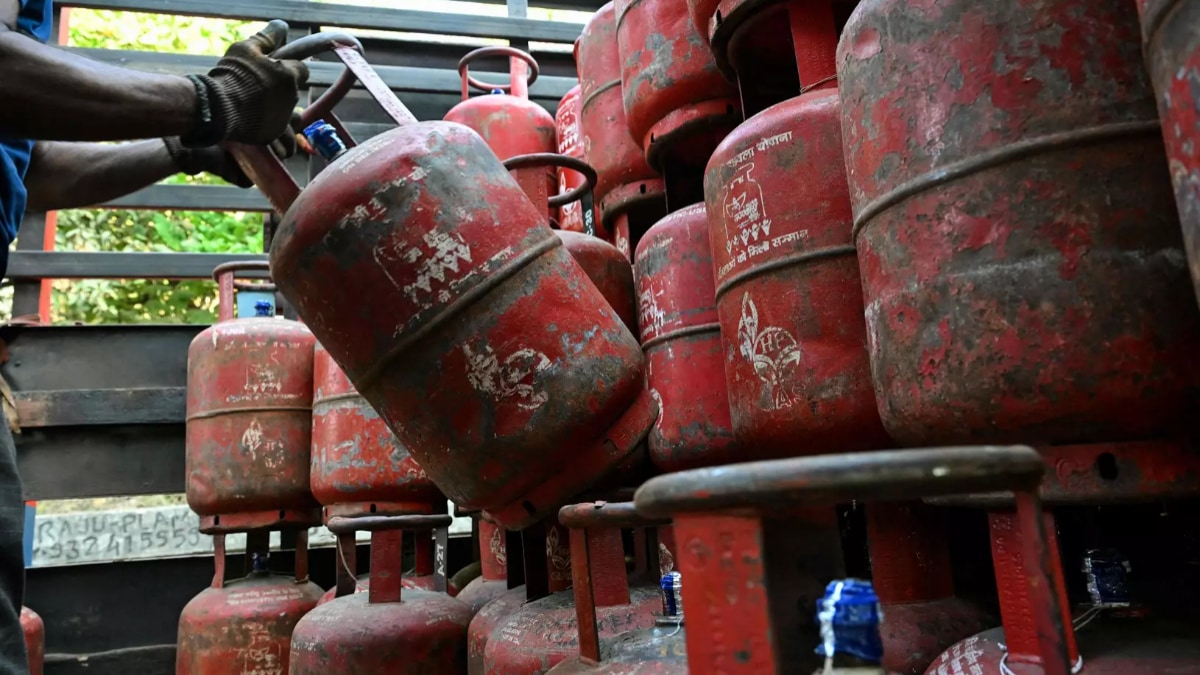
A steep nearly 50% hike in commercial LPG cylinder prices may disrupt downstream processes in textiles, leather and tyre manufacturing. The latest increase in commercial LPG prices is the steepest on record, the cost of a 19-kg cylinder has risen by about ₹993 since May 1 amid the ongoing West Asia conflict. Prices now stand at ₹3,071.50 in Delhi, with Chennai the highest at ₹3,237.
However, the overall impact on manufacturing may be limited, given the sector’s low reliance on LPG. Bulk supplies to industry account for less than 4% of total LPG sales by state-run oil companies.
ALSO READ5-kg LPG jumps 48%, bulk diesel rises; global ATF hiked 5.3%
Apart from raising the costs for restuarants and hotels, the LPG price hike is set to add to the strain on some of the labour-intensive manufacturing sectors, already under pressure since August 2025 due to US tariffs and, more recently, disruptions linked to the Gulf conflict.
Surat’s man-made fibre (MMF) industry, for instance, was already grappling with elevated raw material costs due to crude-linked disruptions as higher LPG costs came as another blow.
Supply Shortages
Mahendra Ramoliya, director at Sachin Industries Association, said LPG is used only for a day or two in a typical 45-day saree production cycle, but the price spike will still squeeze margins. He alleged that commercial LPG cylinders are being sold for as much as ₹8,000 in the black market since the West Asia crisis escalated. “We have no option but to buy, or production will suffer further,” he rues, adding that availability remains a key concern even at higher prices. Beyond prices, supply shortages are emerging as a bigger concern for the “Synthetic Capital of India”, which accounts for over 40% of India’s MMF output and employs around 2.2 million workers. The city’s 10 lakh looms together produce about 6 crore metres of fabric daily.
According to industry estimates, a majority of the 5,000 units in Sachin Industrial Estate rely on LPG cylinders, while only around 250 have access to piped gas, as cylinders remain cheaper. Production has been hit across segments, including processing and weaving. Ramoliya’s weaving unit, for instance, is operating at about 20% capacity amid weak demand, disrupted production and labour shortages. By conservative estimates, 7–8 lakh workers have returned to their home states such as Uttar Pradesh, Bihar and Odisha.
ALSO READIndia kept fuel prices steady, despite 30% disruption in global supply chains, says Hardeep Singh Puri
Textile businessman Girdhar Gopal Mundra warned that labour migration could intensify, with smaller units at risk of shutdown. The MMF sector is facing a double blow, he said, as crude-linked raw material costs rise alongside higher processing costs due to LPG prices. “Fabric prices could rise by 15–20% as a result.” The situation is no different in Bhiwandi, Maharashtra. Narendra Poddar, trustee and immediate past president of Bharat Merchant’s Chamber said the production has reduced by half in about eight lakh rooms, majorly engaged in MMF manufacturing.
Compounding Pressures
Tyre industry is also facing the heat of rising LPG prices. Industrial gas is a key input for heating, curing and chemical processing, with several tier-1 suppliers heavily dependent on it. These include manufacturers of nylon tyre cord fabric, bead wire, steel tyre cord, rubber chemicals, process oils, sulphur, zinc oxide, silica, valves and synthetic rubber. The Automotive Tyre Manufacturers Association (ATMA) has urged the government to extend policy support, including customs duty relief on critical raw materials, to mitigate supply chain risks arising from the West Asia crisis. It has also sought “essential sector” status for the tyre industry and its supply chain to ensure priority allocation of industrial gas.
India’s bulk LPG sales to industry rose 47% year-on-year to 1.149 million metric tonnes (MMT) in FY26. It, however, accounts for only about 4% of total PSU sales. LPG remains a key cooking fuel with a 13.7% share in the oil basket, and overall consumption rose 6% to 33.21 MMT, driven by household demand. The packed non-domestic segment grew 12% to 2.989 MMT, supported by strong demand from the hospitality sector.
In the leather segment, LPG availability has emerged as a bigger concern than price. Vikas Mahtani, regional chairman at the Council for Leather Exports, said several inputs are not available at any price. The industry, particularly units outside metros, relies heavily on heat-intensive processes for rubber sole manufacturing, where LPG is critical as electric heating is insufficient for melting. “Leather and leather products involve multiple heating stages. The LPG price increase and rationing by intermediaries are impacting production speed, delivery timelines,” he said.
TOPICSLPG cylindersThis article was first uploaded on May one, twenty twenty-six, at five minutes past eight in the night.