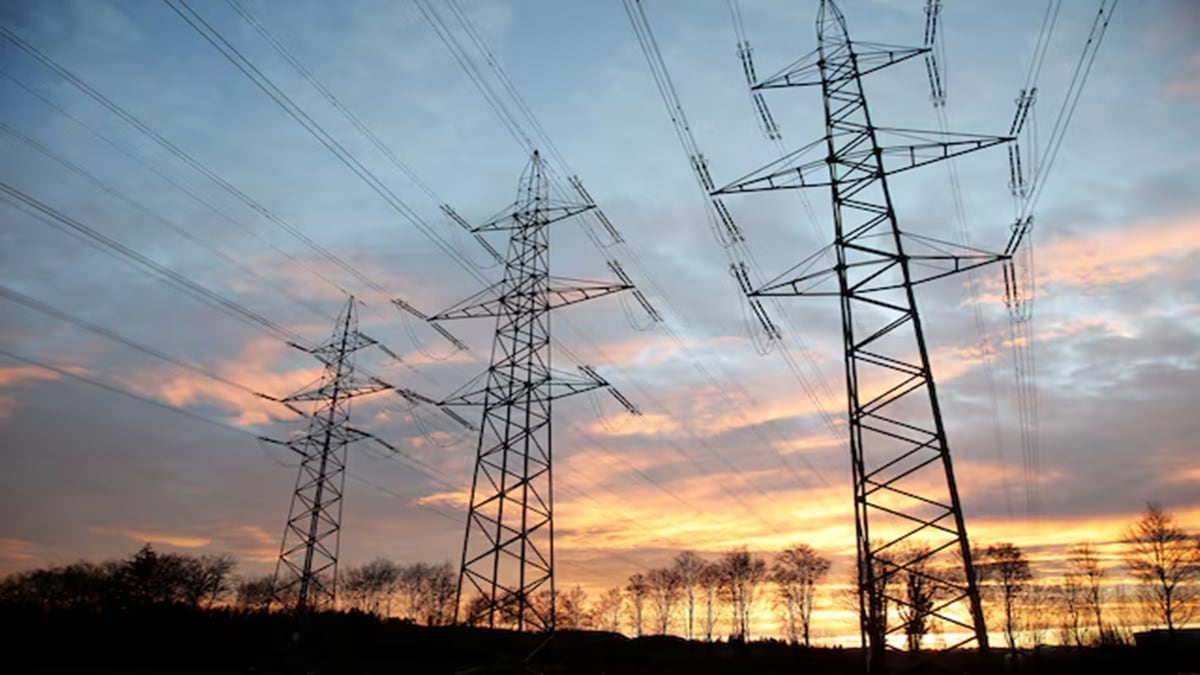
India’s peak power demand hit a fresh all-time high of 265.44 gigawatts (GW) on Wednesday, breaching records for the third consecutive day as an intensifying heatwave across north and central India sharply increased electricity consumption driven by air-conditioners, coolers and refrigeration loads.
The latest peak demand, recorded at 1545 hours, surpassed Tuesday’s record of 260.45 GW and Monday’s 257.37 GW, according to power ministry data, bringing the country within touching distance of the government’s projected summer peak demand of 270 GW.
“Today, at 1545 hours, peak power demand (solar hours) of 265.44 GW was successfully met. This represents a new high in peak demand met, surpassing yesterday’s peak demand of 260.45 GW,” the ministry of power said in a post on social media platform X.
ALSO READExplainer: How India raised dollar deposits from NRIs during earlier crises
The surge comes amid severe heatwave conditions across large parts of northwest and central India, with temperatures hovering around 45 degrees Celsius in several cities.
The India Meteorological Department (IMD) has forecast continuation of intense heatwave conditions over the coming days, raising concerns over further stress on the country’s power system as cooling demand continues to rise sharply.
The latest peak demand is nearly 23 GW higher than last summer’s all-time high of 242.77 GW recorded in June 2025 and over 15 GW higher than the previous record of 250 GW seen in May 2024.
Thermal Supply Anchors Grid
Thermal power continued to remain the backbone of India’s electricity supply during the record demand period, contributing around 61.2% of total generation, followed by solar at 21.5%.
Wind power contributed around 6.5%, hydro 6.3% and nuclear energy around 2.6%, according to official data.
Night-Time Margin Squeeze
The continuing rise in peak demand is also exposing increasing stress during evening and night hours when solar generation declines sharply but cooling demand remains elevated.
“Record heat and surging electricity demand continue to test the power system,” said Disha Aggarwal, Senior Programme Lead at CEEW.
“A 256 GW peak demand in April already highlighted how thin the margins are becoming, with nearly 190 GW of installed coal capacity running at full capacity during nights and shortages touching up to 5.4 GW,” she said.
ALSO READIndia to keep buying Russian oil despite US waiver expiry; OMC losses still at Rs 750 crore/day
Aggarwal said India must fast-track commissioning of battery storage and pumped hydro projects, maintain adequate coal stocks and expand time-of-day tariffs to manage rising evening demand more efficiently.
The heatwave also pushed Delhi’s electricity demand beyond the 8,000 MW mark for the first time this season.
According to State Load Dispatch Centre (SLDC) data, Delhi’s peak demand touched 8,039 MW at 3:35 pm on Wednesday amid soaring temperatures and rising cooling requirements across the national capital.
TOPICSpower discomsThis article was first uploaded on May twenty, twenty twenty-six, at sixteen minutes past eleven in the night.