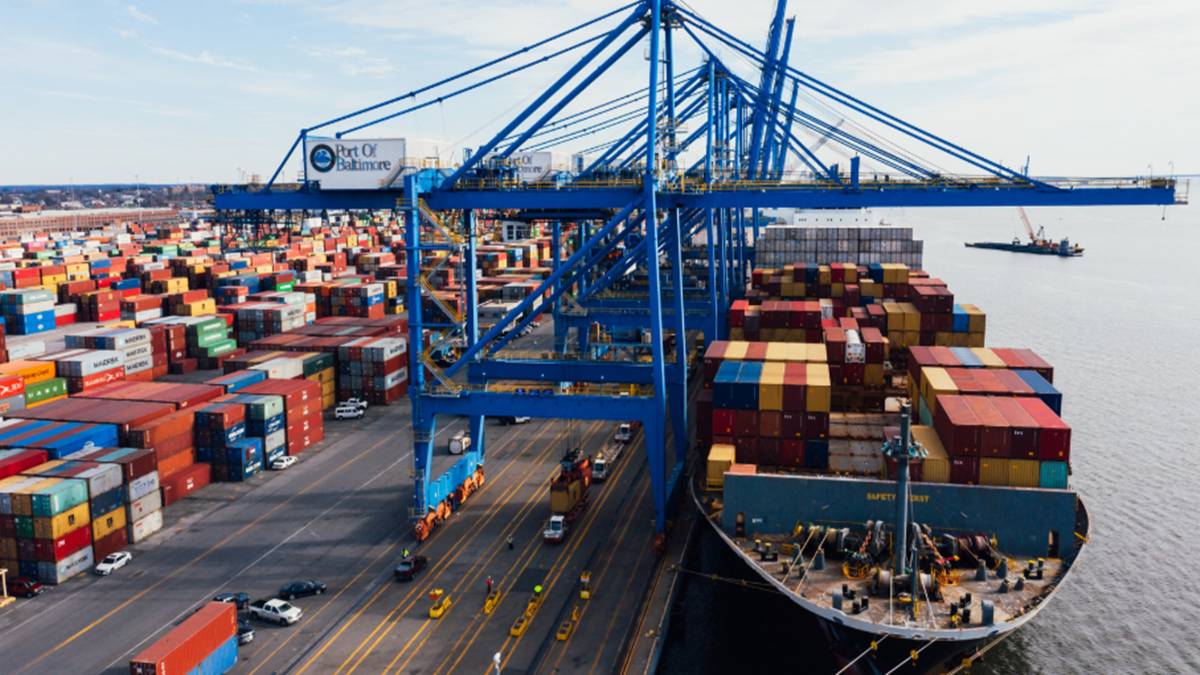
The government is reinforcing its import substitution policies, even as tariffs for foreign goods are being whittled down under a flurry of bilateral free trade agreements. It has constituted six working groups to finalise a list of 100 products currently not being manufactured in India at the required scale for focused policy support to boost local production.
The six groups will focus on electronics, pharmaceuticals and medical, capital goods, auto and electric vehicles, advanced capital goods, chemicals, construction equipment, defence and aerospace, and energy.
The members of these groups will be drawn from the Ministry of Commerce and Industry, Niti Aayog and other ministries dealing with those sectors. The officials from Department of Economic Affairs and Port and Shipping have also been included in the six groups.
ALSO READWar-risk premiums jump 1,000% as Hormuz disruption keeps shipping markets on edge
The groups will be headed by Amardeep Singh Bhatia, Secretary in the Department for Promotion of Industry and Internal Trade (DPIIT).
Bridging Technology Deficit
According to sources, preliminary work on identifying the 100 products for import substitution has already been done. The groups will deliberate further and finalise the list for submission to the cabinet secretariat within three weeks. “We have identified a set of products. Some very interesting products have come up in the auto sector and motorcycles. We came to know that there are a lot of things that are not getting manufactured in India. We have the capability, perhaps some gaps in technology exist,” Bhatia said at an event recently.
India faces a huge gap between the production and requirement of intermediate goods, relying heavily on imports. This gap is also being addressed and focused attention on 100 products would aid that effort.
ALSO READRBI rate decision tomorrow: Economists say rupee pain, fuel spikes key worries amid West Asia crisis
Structural Burden
The imports of electrical machinery—which includes telecom, electrical and energy storage among other products – in 2025-26 were $ 104.8 billion. Other machinery used in industry and farm sectors saw imports of $ 74 billion last year. Chemical imports were at $ 48 billion while another group that includes medical equipment saw imports $ 15.3 billion.
The biggest import remains crude oil and its products, which totalled $ 203.4 billion. Total merchandise imports in 2025-26 stood at $ 776 billion. A reduction in the import bill could help check the trade deficit that is touching new highs every year and putting added pressure on the economy during the global disturbances.
TOPICSimport dutyThis article was first uploaded on June four, twenty twenty-six, at fifty-four minutes past nine in the night. © The Indian Express (P) Ltd