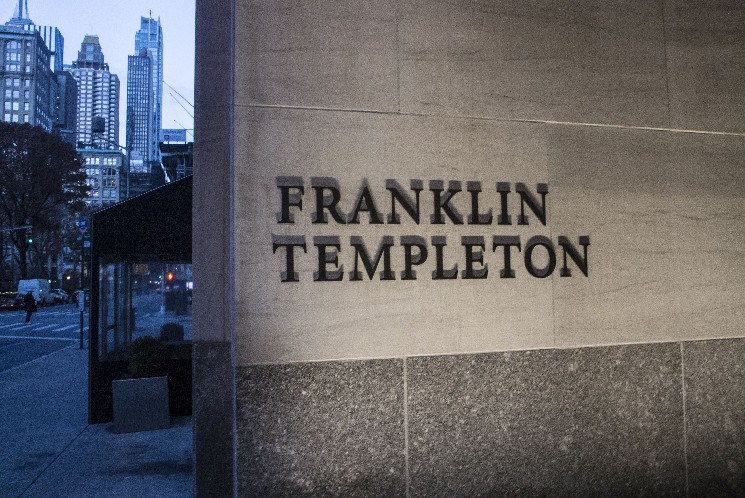
Ondo Finance has announced a collaboration with Franklin Templeton to introduce tokenized versions of traditional investment products for blockchain users. This initiative is part of a larger movement aimed at integrating conventional finance with cryptocurrency infrastructure.
The focus of this collaboration is Ondo Global Markets, a platform that creates blockchain-based tokens backed by tangible assets like publicly traded stocks and exchange-traded funds (ETFs). These tokens mirror the value of the underlying securities and can be stored in digital wallets, enabling users to gain exposure without needing to set up a brokerage account.
Franklin Templeton, which oversees approximately $1.7 trillion in assets, will supply investment products and assist in the launch process. Additionally, both companies plan to implement educational programs targeting crypto-native users who may lack familiarity with long-term portfolio management strategies.
This partnership aligns with an increasing trend where major asset managers are exploring blockchain technology for product distribution. Franklin Templeton has already created tools for digital assets, while other firms like BlackRock are investigating tokenized funds and on-chain settlement solutions.
Since its inception in September 2025, Ondo Global Markets has reported over $620 million locked in total value and more than $12 billion in trading volume across 60,000 active users. The company attributes this demand to individuals seeking access to traditional markets without the complications associated with cross-border accounts or currency conversions.
The implications extend beyond mere convenience; tokenization could fundamentally alter how assets are transferred and who can access them. Traditional markets operate within limited hours and involve multiple intermediaries; however, blockchain systems function continuously and facilitate direct ownership through wallets.
Nonetheless, this transition will challenge existing regulations regarding how tokenized securities should be managed when they traverse borders or wallets instead of brokerages. Regulatory bodies have yet to fully clarify their stance on these instruments under current laws.
Moreover, competition is intensifying as more firms begin offering tokenized funds while significant financial institutions contemplate their roles as market gatekeepers. Should blockchain-based distribution become mainstream, it could undermine the longstanding advantages held by banks and brokers controlling market access.
For both Ondo Finance and Franklin Templeton, their strategy hinges on attracting investors who favor a model that merges familiar asset types with innovative technological frameworks.