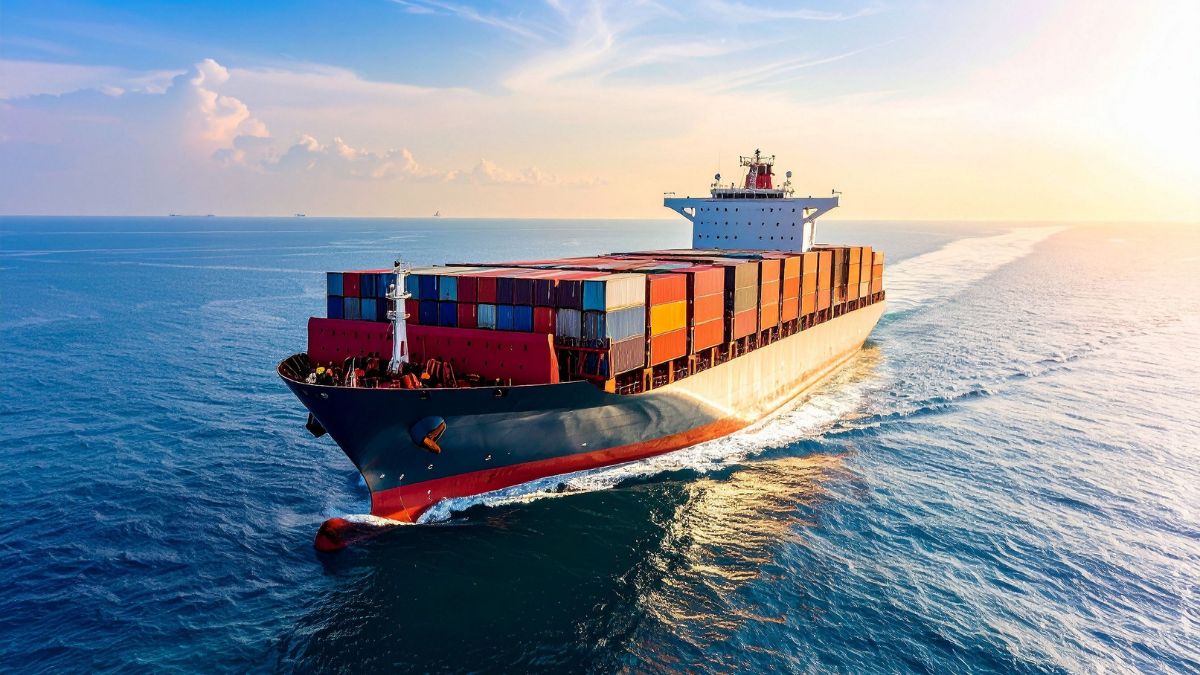
India has contended with a crude oil price exceeding $100 per barrel earlier. However, a similar surge in the wake of the West Asian conflict has an impact that is sharper, wider, and more challenging. Saurav Anand explains the reasons and what it means for the economy
Why is this shock worse than in 2022?
The key difference is the rupee cost of oil, not the dollar price although Brent crude surged 59% in March, the steepest monthly rise on record. During the Ukraine war in March 2022, Brent crude averaged around $117 per barrel. But the rupee was much stronger at about Rs 76 per dollar, which meant India was paying roughly Rs 8,900 per barrel. Today, crude price is hovering in the $105-115 per barrel range, broadly similar in dollar terms. But with the rupee weakening to `92-95 per dollar by March 31, the effective cost has jumped to around Rs 10,500-11,000 per barrel. That is a 20-25% higher cost in rupee terms, even though global oil prices are not significantly higher. This is what makes the current shock more intense. India is paying much more for the same oil.
ALSO READManufacturing PMI slips to 45-month low as war inflates costs
Oil exposure in real terms
India imports 85-88% of its crude oil requirement, amounting to 5-5.2 million barrels per day. Each barrel equals about 159 litres, which means India is importing over 800 million litres daily. At $100-110 per barrel, the daily import bill crosses $500-550 million. Over a year, this becomes one of the largest contributors to India’s trade deficit. If crude averages around $110, India’s oil import bill could rise to nearly $250 billion, a 32% increase over earlier projections.
Rupee at the centre of economic stress
The rupee is now the biggest amplifier of the oil shock. It has depreciated nearly 10% over the past year, including about 4% in the month of March alone, making it one of Asia’s weakest-performing currencies. Because oil is priced in dollars, every fall in the rupee increases the domestic cost of imports. A shift from Rs 76 to Rs 95 per dollar adds more than Rs 2,000 per barrel to the cost of crude.
This creates a reinforcing cycle. Higher oil prices increase demand for dollars, weakening the rupee further, which in turn makes oil even more expensive.
How it affects India’s import bill and CAD
The macroeconomic impact is already building. Every $10 increase in crude prices can widen India’s current account deficit (CAD) by $16.7 billion. With oil prices elevated and the rupee weakening, the CAD is expected to rise to around 2% of GDP, marking a significant deterioration. A wider CAD means more dollars flowing out of the country, putting further pressure on the rupee and increasing reliance on foreign capital inflows. In a stressed scenario, foreign investor outflows could reach $10-15 billion, adding to currency volatility and tightening liquidity.
How is West Asia making the shock more persistent?
The current surge is linked to geopolitical tensions in West Asia, particularly around the Strait of Hormuz in Iran. India sources over half of its crude oil imports—about 2.85 million barrels per day—and nearly 80% of its liquefied natural gas (LPG) supplies from the region. The disruption of this critical corridor has exposed what analysts describe as India’s “underprepared energy import underbelly”. Unlike the Ukraine war, where supply chains adjusted over time, the current crisis involves a concentrated chokepoint, raising the risk of prolonged disruption.
ALSO READMore steps in pipeline to deal with West Asia crisis: Piyush Goyal
Is the impact already visible in the real economy?
The effects are already visible across households and industry. LPG shortages have begun affecting daily life, with refill waiting times stretching beyond five-six days in some regions. Small businesses and restaurants are scaling down operations due to fuel constraints. Industrial activity is also under pressure. In Gujarat’s Morbi cluster, more than 700 ceramic units have shut down, while production has slowed in sectors such as steel, aluminium, and pharmaceuticals due to rising input costs. At the same time, rising LPG prices are increasing subsidy pressures, adding to fiscal strain.
What does this mean for growth and inflation?
Factors such as higher oil prices and a weaker rupee are feeding directly into inflation. Fuel becomes more expensive, transport costs rise, and input costs increase across sectors. This creates a broad-based inflationary effect. At the same time, growth is under pressure. Estimates suggest a 50-basis point hit to India’s GDP growth, bringing it down to around 6-6.5%. According to EY, India’s real GDP growth could decline by around 1 percentage point if the conflicts prolongs through FY27. For policymakers, this creates a difficult balancing act between controlling inflation and supporting growth.
TOPICSimportThis article was first uploaded on April two, twenty twenty-six, at fifty-four minutes past eleven in the night.