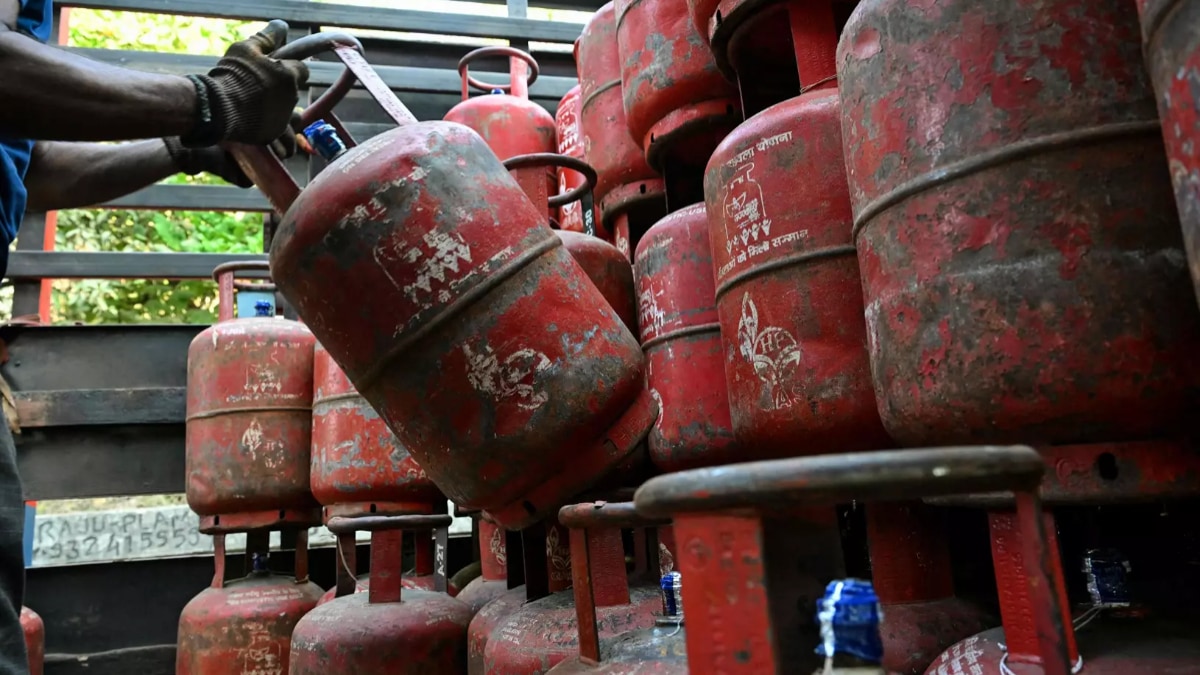
Businesses across India will have to pay more for cooking gas from June 1 after commercial LPG cylinder prices were increased once again. The latest hike is expected to add to the burden on restaurants, hotels, caterers and thousands of small businesses that depend on LPG for their daily operations.
Commercial cylinders become costlier
The price of a 19-kg commercial LPG cylinder in Delhi has been increased by ₹42. With the latest revision, the retail price has gone up to ₹3,113.50 per cylinder. In Kolkata, the increase is even steeper. The price of a 19-kg commercial cylinder has risen by ₹53.50, taking the new rate to ₹3,255.50.
The revised prices came into effect from June 1.
ALSO READFMCG firms seek premium buyers as inflation bites
Apart from commercial cylinders, the cost of 5-kg Free Trade LPG (FTL) cylinders has also been raised. These cylinders will now cost ₹821.50 in Delhi after an increase of ₹11.
DelhiRs 3,113.50KolkataRs 3,255.50MumbaiRs 3,024.50ChennaiRs 3,232.00HyderabadRs 3,294.00PatnaRs 3,322.00
No change in domestic LPG prices
While commercial users have been hit by another round of price increases, households have received some relief.
Domestic LPG cylinder prices have not been changed in the latest revision. This means consumers using LPG cylinders for cooking at home will continue to pay the existing rates.
Commercial LPG prices have nearly doubled this year
At the beginning of the year, a 19-kg commercial LPG cylinder in Delhi cost Rs 1,691.50. Since then, prices have risen repeatedly, taking the current rate to Rs 3,113.50. In just five months, the price has increased by more than Rs 1,400.
ALSO READ
The rise began in February, when commercial LPG prices were increased by Rs 49. Another hike of Rs 115 followed in March. The biggest shock came in April, when prices jumped by a massive Rs 993 per cylinder. Prices remained high through May and have now gone up once again in June.
Major cities feel the impact
The increase is not limited to Delhi and Kolkata.
Commercial LPG prices have risen sharply across several major cities. In Mumbai, a 19-kg cylinder now costs Rs 3,024.50. In Chennai, the price has climbed to Rs 3,232. Hyderabad and Patna are among the most expensive markets, where commercial cylinders now cost Rs 3,294 and Rs 3,322 respectively.
Another fuel cost hike for businesses
The LPG revision comes shortly after another increase in fuel prices. Compressed Natural Gas (CNG) rates in Delhi and nearby cities have been raised by Rs 2 per kg, taking the price to Rs 83.09 per kg. This marks the fourth increase in less than two weeks.
Since May 15, CNG prices have gone up by a total of Rs 6 per kg. Petrol and diesel prices have also moved higher in recent weeks. Oil marketing companies have increased petrol prices by Rs 7.35 per litre and diesel prices by Rs 7.53 per litre in multiple revisions as they pass on the impact of rising international crude oil prices.
Why are LPG prices rising?
The rise in commercial LPG prices is largely linked to disruptions in global energy supplies. The ongoing conflict in the Middle East, particularly the Iran-linked crisis and tensions across the Gulf region, has affected energy shipments and pushed up global LPG prices. The situation has also made it more difficult to secure supplies.
India depends heavily on the Gulf region for its energy needs. A significant portion of the country’s crude oil, natural gas and LPG imports comes from this area.
While India has managed to find alternative supplies of crude oil and natural gas, LPG supplies have remained under pressure. As a result, commercial consumers have borne the biggest impact of these shortages.
TOPICSLPGThis article was first uploaded on June one, twenty twenty-six, at fifty-two minutes past six in the morning. © IE Online Media Services (P) Ltd