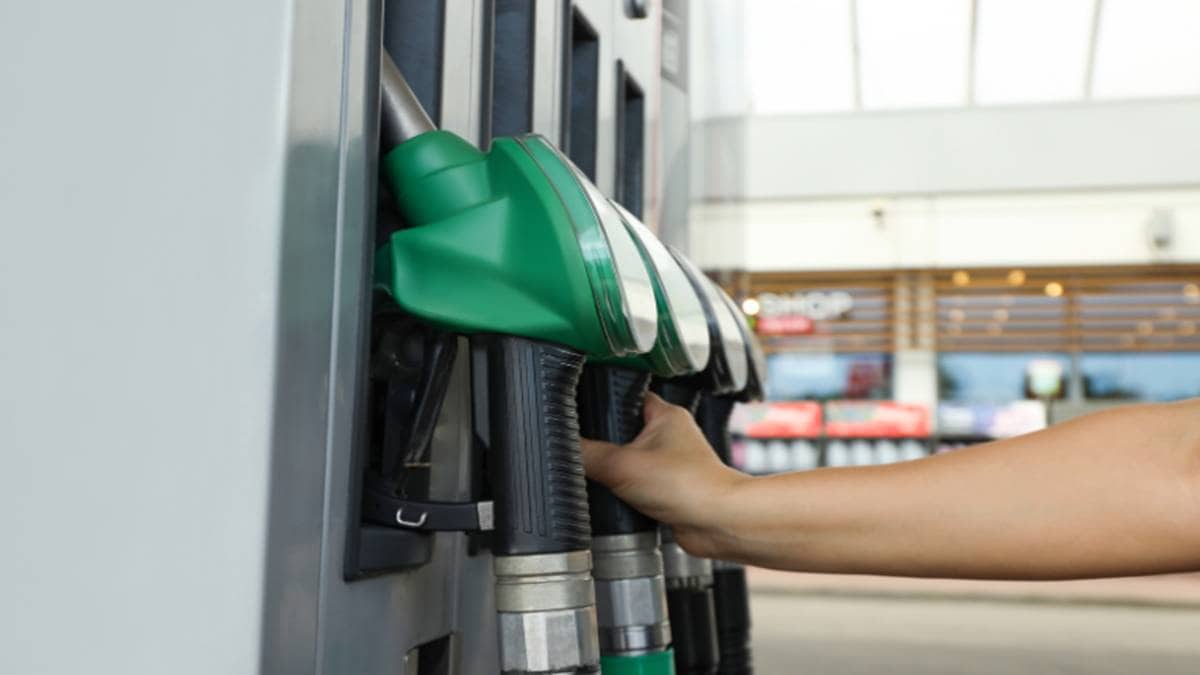
A widening ₹40-42 per litre gap between market-linked bulk diesel prices and lower retail pump rates has triggered an unprecedented shift of commercial fuel buyers to public sector petrol pumps, driving diesel demand up by as much as 20-30% in several pockets and creating dry-out-like situations at select retail outlets across the country.
The sudden migration of bulk consumers to retail pumps has sharply increased pressure on the fuel distribution network of state-run oil marketing companies (OMCs) at a time when global crude and fuel prices have surged due to the West Asia crisis.
ALSO READMore steps to check CAD on the anvil: Piyush Goyal
The stress has intensified further as some private fuel retailers raised retail prices above PSU pump rates, prompting consumers to increasingly prefer outlets operated by Indian Oil, Bharat Petroleum and Hindustan Petroleum, which together account for nearly 90% of India’s fuel retail market.
“The price difference between diesel for bulk sales and that available at petrol pumps is Rs 40-42 per litre,” Petroleum Ministry Joint Secretary Sujata Sharma said. “Demand at some petrol pumps has risen 20-30% due to the agricultural season as well as migration of bulk buyers to retail outlets.”
The sharp spike in demand has led to rapid depletion of stocks at some pumps, with reports emerging from several regions of temporary stock-outs. The problem is being aggravated by panic buying after rumours of shortages spread locally whenever one outlet faces supply disruptions.
Arbitrage Opportunities
The surge comes even as India has largely shielded retail consumers from the full impact of global fuel price increases. While retail petrol and diesel prices at PSU outlets remain below market-linked levels, bulk and industrial fuel prices have seen significantly steeper hikes. This has widened arbitrage opportunities for commercial users shifting purchases to retail channels.
Fuel production and availability at the national level, however, remain stable, the government said, stressing that the issue is primarily one of localised demand concentration and last-mile logistics constraints.
ALSO READInformal sector employment rises 15.5% in March quarter
“Petrol pumps generally have stocks of two to three days, and if they see 20-30% growth in demand, they may temporarily face some issues…after all, there are last-mile logistics issues,” Sharma said, adding that the government and OMCs were monitoring supplies in real time and coordinating with state administrations and local police wherever necessary.
Some state and district administrations have also issued advisories directing bulk consumers to procure fuel through designated bulk supply depots instead of retail outlets to ease pressure on public fuel stations.
Bharat Petroleum, the country’s second-largest fuel retailer, said metropolitan centres continue to remain adequately supplied, but acknowledged heightened operational focus in tier-2, tier-3 and remote markets where localised demand spikes and precautionary buying tendencies have been witnessed in recent days.
Super-Normal Sales
The company reported super-normal sales growth between May 1 and May 20, with petrol sales rising 16.4% year-on-year and diesel sales increasing 16.7%. In contrast, nationwide fuel consumption trends remained far lower, with provisional Petroleum Ministry data showing April petrol demand rising 6.4% year-on-year and diesel demand up just 0.3%.
“BPCL’s integrated supply chain network — comprising refineries, terminals, depots, transport logistics and retail outlets — continues to operate efficiently, supported by round-the-clock monitoring and enhanced coordination between regional teams and field operations,” the company said.
The OMC has initiated measures including enhanced tanker movement planning, depot-level inventory optimisation and closer monitoring of outlet replenishment cycles to manage demand spikes. Similar steps have been taken by the other PSU retailers, industry sources said.
The government reiterated that India has sufficient supplies of crude oil, petrol, diesel and LPG despite disruptions linked to the West Asia conflict. India produces nearly 10 million tonnes of diesel every month against domestic consumption of around 8.5 million tonnes, while refineries operated at 105% of nameplate capacity in the previous fiscal year.
“There is no issue in product supply,” Sharma said. “Citizens should not resort to panic buying and should not believe rumours. They should purchase as per the need.”
TOPICSDieselThis article was first uploaded on May twenty-two, twenty twenty-six, at thirty-four minutes past twelve in the am.