Bitcoin’s market cycles are frequently viewed through a straightforward perspective: the repetitive patterns driven by Bitcoin’s halving events.
Understanding Bitcoin’s Market Cycles
The typical interpretation of Bitcoin cycles centers on the halving phenomenon. Historically, each halving—where the creation rate of new bitcoins is cut in half—has been followed by a recognizable sequence of market phases. Initially, there is an accumulation period that transitions into a bullish rally, peaking roughly one to one and a half years later. This peak is then succeeded by phases of correction and consolidation.
This seeming predictability has led many investors to treat Bitcoin cycles as almost mechanical in nature. Yet, over time it has become clear that halvings are only part of the story. Broader macroeconomic influences such as global liquidity conditions, central bank policies, and changes within the cryptocurrency ecosystem itself increasingly shape these trends.
Additionally, as institutional players enter the scene and regulated products like ETFs become more common—and with deeper ties forming between crypto markets and traditional finance—the behavior of Bitcoin’s cycles evolves accordingly. Therefore, while halvings remain pivotal reference points for analysts and traders alike, each cycle unfolds with its own unique characteristics.
A particularly hot topic today involves comparing 2022 with 2026; both years initially appear to represent cooling periods for crypto markets but reveal significant differences upon closer examination within their respective economic contexts.
Grasping these distinctions is essential for accurately interpreting where we stand in Bitcoin’s current cycle.
The Crypto Crisis of 2022
The year 2022 marked one of crypto’s darkest chapters. After hitting an all-time high near $69,000 in November 2021, prices plummeted sharply—not merely due to normal cyclical shifts but because the sector faced systemic upheaval. Major pillars such as Terra Luna collapse events along with Celsius Network troubles and FTX exchange bankruptcy shook investor confidence profoundly.
This cascade triggered forced liquidations across platforms leading to widespread capital flight; bitcoin prices tumbled close to $15,500—a drop exceeding 75% from peak levels—with sentiment turning overwhelmingly bearish amid fears about crypto’s future viability.
This period stands apart from typical bear markets since it functioned more like a cleansing reset for structural vulnerabilities: unsustainable projects folded away alongside risky leveraged business models or opaque trading venues were eliminated from the ecosystem during this harsh purge phase following prior exuberance.
The Post-2024 Halving Landscape
The cycle commencing after April 2024’s halving operates under vastly different circumstances shaped primarily by three transformative factors:
- Approval of spot-based Bitcoin ETFs within U.S regulatory frameworks
- An influx of institutional investors entering digital asset markets
- Tighter integration between cryptocurrencies and established financial systems
Spot ETFs have democratized access significantly; now pension funds alongside large asset managers can gain exposure without managing private keys or custody directly themselves—which bolsters demand structurally while dampening extreme volatility seen previously.
In essence: today’s marketplace boasts greater scale & liquidity combined with stronger ties into global finance than ever before.
The Significance Of Halvings In Cycle Patterns
Traditionally speaking,
each halving event halves miners’ rewards creating scarcity pressures that historically corresponded closely with distinct market stages:
- Halving year typically sees accumulation building up;
- A strong bull run follows during subsequent year;
- A top forms usually around next calendar year;
- Culminating finally in bear market corrections & consolidation phases thereafter;
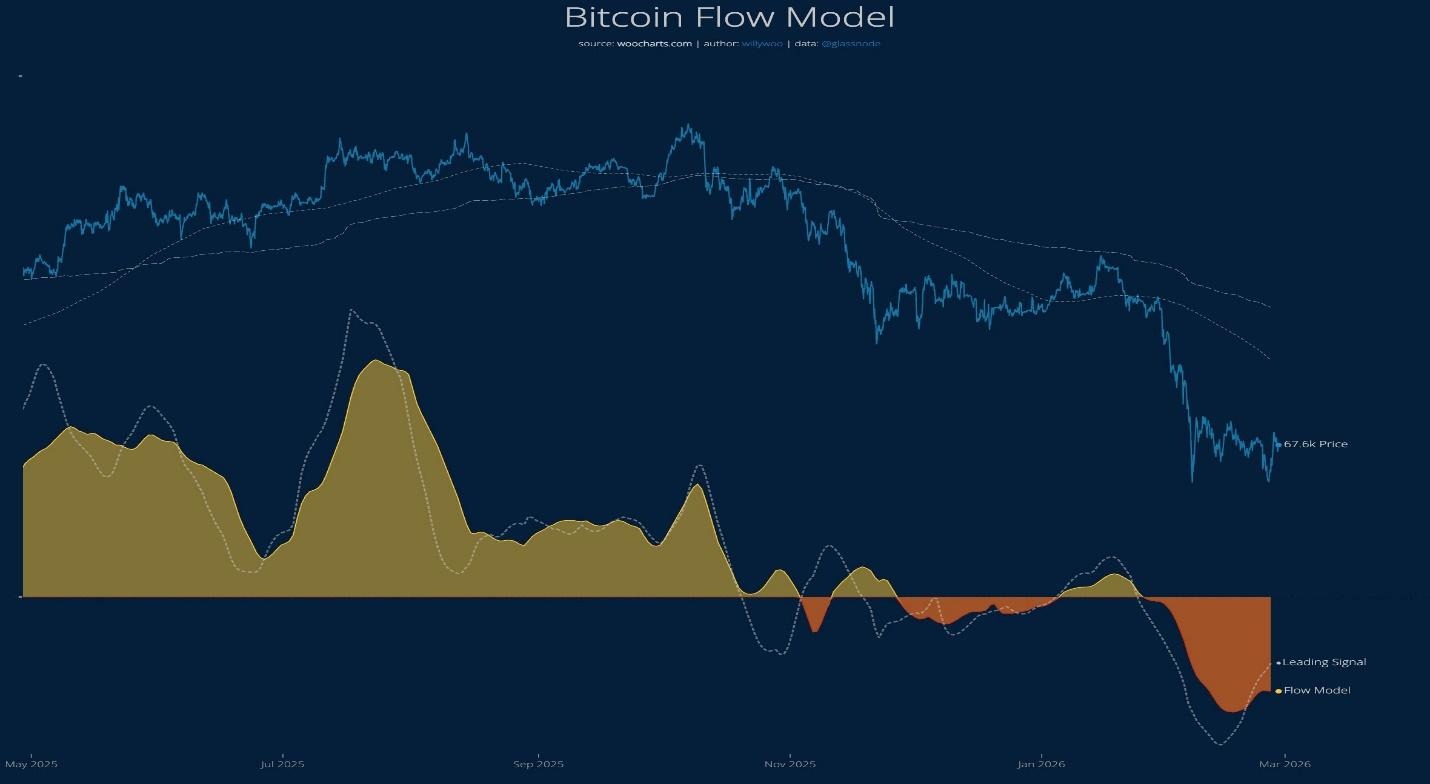
Figure 1 – Historical Price Trends Aligned With Halvings (Source: BiTBO)
If we follow this framework strictly then post-2024 should usher robust growth throughout ’25 culminating possibly late ’25 or early ’26 — potentially confirming October ‘25 might already mark this cycle’s zenith.
Yet recent data reveals an intriguing trend:
the interval between each halving event £s corresponding price peak appears lengthening progressively.

Figure 2 – Duration Between Halvings And Cycle Peaks Over Time
For example:
- 2012 saw its peak roughly ~370 days post-halving;
- 2016 extended out further at ~526 days;
- And most recently (in ’20) peaks arrived approximately ~546 days afterward.
If this pattern holds true, a new maximum could occur around ~650+ days after April ‘24 event — placing potential tops anywhere between late ‘25 (already witnessed) through mid-‘26 where fresh upward momentum may still unfold.
Crashed Or Merely Corrected? The Influence Of Global Liquidity
A key distinction when contrasting ’22 versus possible scenarios approaching ‘26 revolves around crash severity:
The former represented outright systemic failure marked by major platform collapses triggering panic selling across entire sector resulting deep drawdowns rarely matched before.
'''''''’In contrast,’a growing consensus among experts suggests upcoming downturns might resemble milder cyclical corrections rather than full-blown crashes owing largely due increased institutional presence longer investment horizons improved liquidity infrastructure overall stability.”
“‘Some forecasts propose next bear phase could entail losses ranging approximately -50%/-60%, notably less severe compared against previous dips surpassing -75%. Notably early ’26 already hit about -50% relative last October highs.’
‘Recent research highlights correlation between bitcoin price action & global monetary supply expansions commonly tracked via M₂ aggregates.’
‘Periods characterized by rising money supply tend encourage risk-on sentiment benefiting speculative assets including bitcoin whereas tightening monetary policy regimes coincide w reduced appetite prompting capital withdrawals thus downward pressure on valuations.’
‘This dynamic was clearly visible transitioning from late ’21 into ’22 coinciding w aggressive interest rate hikes precipitating onset prolonged crypto winter.’
‘Hence monitoring broad liquidity trends remains crucial factor influencing whether current bull run concluded Oct’25 top or if additional rallies extend well into mid-’26.’
Pondering What Lies Ahead For BTC In Year Two Thousand Twenty-Six
‘Given evolving landscape scenarios anticipated differ markedly compared w traumatic events endured back in twenty-twenty-two.’
Instead systemic meltdown anticipated instead distribution stage following extended bull run featuring final euphoric surge potentially capping off entire cycle before eventual correction/consolidation spanning end twenty-twenty-six thru twenty-twenty-seven timeframe.’
“Of course no crystal ball exists guaranteeing outcomes yet observed trajectory aligns neatly w maturing asset thesis whereby volatility gradually declines amid growing capitalization/institutional adoption.”
“Comparisons drawn b/w tumultuous two thousand twenty-two episode vs prospective smoother two thousand twenty-six environment underscore transformation underway reflecting industry maturation.”
“Should prevailing tendencies persist expect future bitcoin cycles exhibiting longer durations reduced amplitude swings tightly linked broader macroeconomic forces shaping investor behavior globally.”
“Consequently forthcoming chapters charting bitcoin evolution likely diverge substantially relative past experiences presenting novel challenges/opportunities alike.”
“Until next time wishing everyone successful trades!”
– Andrea Unger –