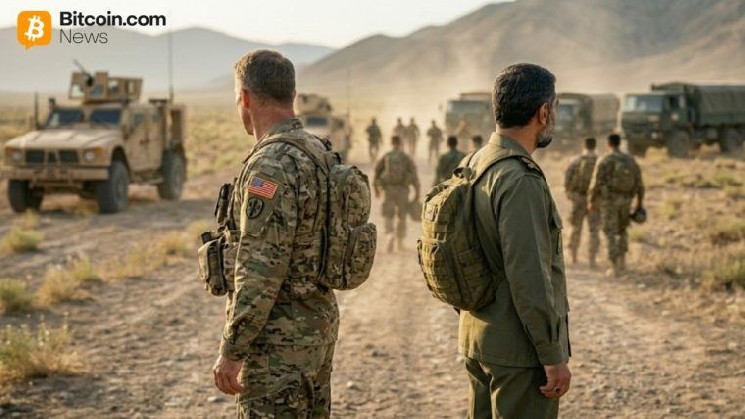
In the past 24 hours, despite a notable rise in traditional stock markets and escalating military tensions in the Middle East, Bitcoin has shown little movement, trading around the $80,000 threshold.
Key Insights:
Bitcoin concluded the week at $80,200 as market participants largely overlooked military confrontations between the U.S. and Iran.
The S&P 500 index surged by 17.2% since March, adding an impressive $10 trillion to its market value as geopolitical concerns eased.
Analysts from Bitunix predict a challenging phase ahead for Bitcoin with potential breakdowns below $78,000 that could lead to liquidations.
A Decline in Liquidation Volume Amid Market Consolidation
This past Friday saw Bitcoin trading sideways while global markets seemed unfazed by recent conflicts involving U.S. forces and Iran’s Islamic Revolutionary Guard Corps near the Strait of Hormuz. Additionally, robust data revealing a surge of 115,000 nonfarm payrolls in April failed to provide any upward momentum for cryptocurrency prices as they fluctuated between $80,200 and $79,200.
The stability observed helped halt a recent downturn that had erased earlier gains from this week; however, Bitcoin’s price activity over these 24 hours indicated it was likely to close out the workweek slightly higher. Its market capitalization remained just shy of $1.6 trillion—a nearly 2% increase compared to one week prior.
This stagnant price action led to a significant reduction in leveraged positions liquidated within this timeframe. Specifically for Bitcoin alone—$28.3 million worth of long positions were liquidated compared to only $14.5 million in shorts during this period. For context’s sake: approximately $91 million worth of overleveraged long positions were eliminated within the previous day against just about $12 million on shorts overall; across all cryptocurrencies combined approximately $202 million worth of leveraged positions faced liquidation—with longs making up around $103 million.
While recent hostilities between U.S.-Iran marked an escalation relative to earlier skirmishes on Monday—their brief nature reinforced prevailing sentiments within financial markets indicating neither party is inclined towards full-scale warfare at present time Investors effectively dismissed these geopolitical threats—as demonstrated by energy sectors where initial spikes seen with Brent crude oil and West Texas Intermediate (WTI) quickly faded away leaving prices stabilized at around $101 and $95 per barrel respectively by midday following those events .
A remarkable show of resilience has emerged among investors regarding fears surrounding broader regional conflict dissipating significantly—leading into historic rallies which have driven S&P500 index closing above record levels surpassing 7 ,400 points . This represents an astonishing capital influx totaling roughly ten trillion dollars gained over just twenty-nine trading days since March thirtieth according The Kobeissi Letter report .
Nevertheless , concerning bitcoin—the reversal witnessed throughout last two days indicates ongoing struggles occurring amidst both bearish bullish positioning ; noted analyst from Bitunix stated : “Liquidation heatmaps reveal considerable liquidity centered around seventy-eight thousand dollar zone meaning breakdown beneath could trigger additional liquidation pressures while dense short liquidity remains piled up between eighty-two eighty-three thousand illustrating persistent tug war situation still gripping current marketplace.”
FAQ
- What factors are influencing Bitcoin’s current price stability?
The lackluster performance can be attributed primarily due geopolitical tensions alongside fluctuating economic indicators such as employment data failing boost investor confidence significantly enough push prices higher than existing ranges observed recently . - If there is a breakdown below what level might we see further liquidations?
An important threshold appears set at seventy-eight thousand dollars ($78K); should it breach this point expect increased selling pressure potentially leading larger scale liquidations occurring thereafter based upon historical patterns established previously seen during similar scenarios . - How does traditional equity performance affect cryptocurrency markets like bitcoin?
Tendencies suggest correlations exist whereby positive movements within major indices such S&P500 often bolster sentiment surrounding risk assets including cryptocurrencies resulting heightened interest driving demand upwards especially when accompanied favorable macroeconomic conditions overall supporting bullish outlooks across board collectively improving prospects seen various asset classes involved here today!