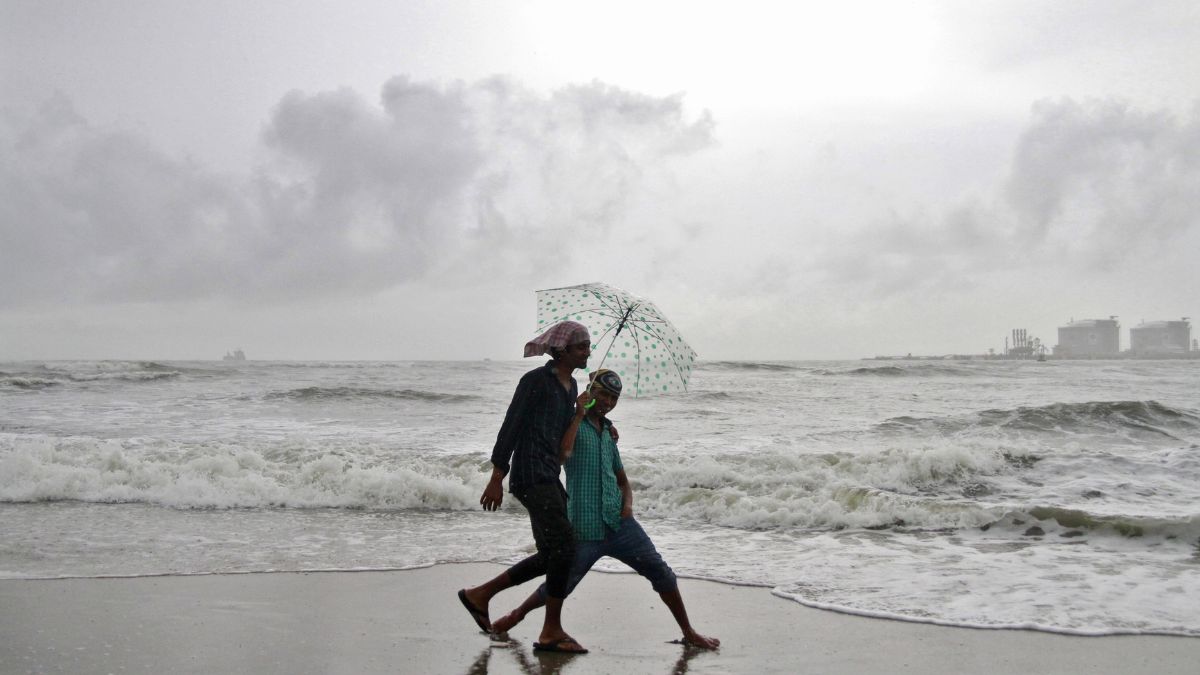
An adverse south-west monsoon, if it materialises, could weigh on India’s growth and inflation outlook, the Reserve Bank of India (RBI) said in its June Bulletin.
The central bank noted that the global economic landscape remains fragile despite some relief from the interim US-Iran peace agreement.
“Any breakdown of the agreement may reignite material risks in terms of inflationary expectations, disrupted critical energy infrastructure, delayed investment spending, food security concerns, adverse financial stability outlook and structurally lower growth,” the RBI said.
According to the bulletin, these uncertainties could affect India through channels such as international trade, cost pressures, capital flows and commodity prices. However, the RBI said the Indian economy is better placed than many of its peers to withstand such shocks.
“India maintained a consistently high growth, anchored inflation expectations, sustained fiscal consolidation, manageable current account balance and foreign exchange buffers over the previous few years, which adds to its strength vis-à-vis similar other events in the past,” it said.
Despite a challenging global environment, the Indian economy expanded 7.8% in the fourth quarter of 2025-26, supported by private consumption and fixed investment.
High-frequency indicators for the first two months of 2026-27 point to sustained economic momentum. While CPI inflation picked up in May, it remained broadly anchored. India’s external sector also stayed resilient, aided by strong foreign direct investment inflows and adequate foreign exchange reserves, the RBI said.
Recently, the RBI has lowered its real GDP growth forecast for FY27 to 6.6%, down from the previous 6.9% estimate.
Consumer Price Index (CPI) inflation rose to 3.9% in May 2026 from 3.5% in April, driven by broad-based increases across food, fuel and core components. Higher transport fuel prices reflected the latest retail price revisions by oil marketing companies. Core inflation, which excludes food and fuel, also edged higher.
In its June 2026 bi-monthly policy review, the Monetary Policy Committee unanimously kept the repo rate unchanged at 5.25% and retained a “neutral” stance, awaiting greater clarity on the West Asia conflict and risks arising from a likely sub-normal south-west monsoon and an El Niño event.
The RBI also noted that the Centre’s provisional accounts for 2025-26 reinforced the credibility of its fiscal consolidation path, with the gross fiscal deficit at 4.4% of GDP. However, fiscal deficit indicators for states deteriorated modestly during the year.
TOPICSECONOMYRBIThis article was first uploaded on June twenty-two, twenty twenty-six, at fifty-four minutes past eleven in the night. © The Indian Express (P) Ltd