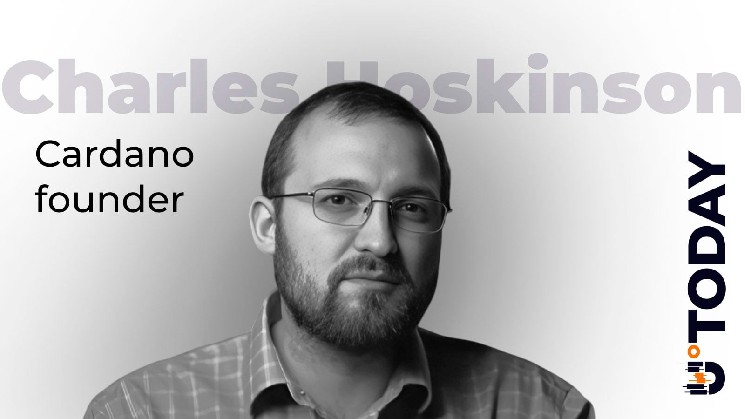
In response to Blockstream’s CEO Adam Back’s assertion that advancements in Bitcoin’s post-quantum (PQ) research are progressing swiftly, Charles Hoskinson, the founder of Cardano, questioned whether the network could safeguard vulnerable “legacy coins” without implementing a contentious hard fork.
Concerns Over Quantum Threats
The discussion was sparked when Back took to X to counter the increasing narrative suggesting that Bitcoin developers are neglecting the serious risks posed by quantum computing. He dismissed these concerns as fearmongering driven by financial interests aimed at promoting niche altcoins and tech stocks.
“The majority of those claiming Bitcoin is ‘inactive’ are individuals invested in PQ startups and stocks,” Back remarked.
The seasoned cryptographer further contended that critics become frustrated when faced with reality. He described current Cryptographically Relevant Quantum Computers (CRQC) as largely theoretical endeavors stuck in a “lab experiment state,” contrasting this with what he referred to as the “actual rapid progress of bitcoin PQ initiatives.”
The Future of Legacy Wallets
Hoskinson quickly reacted to Back’s defense, focusing on one of Bitcoin’s most intricate challenges regarding its transition into a quantum-resistant framework: how legacy wallets will be handled.
Older Bitcoin addresses—like Pay-to-PubKey or reused P2PKH addresses—have their public keys openly displayed on the blockchain. If an adequately powerful quantum computer were ever developed, it could theoretically utilize Shor’s algorithm to extract private keys from these exposed public keys, enabling attackers to seize substantial amounts of dormant Bitcoins—including those mined by Satoshi Nakamoto himself.
“I’m not sure how you can protect legacy coins without resorting to a hard fork,” Hoskinson stated. “But good luck; we’re all keeping an eye on this.”