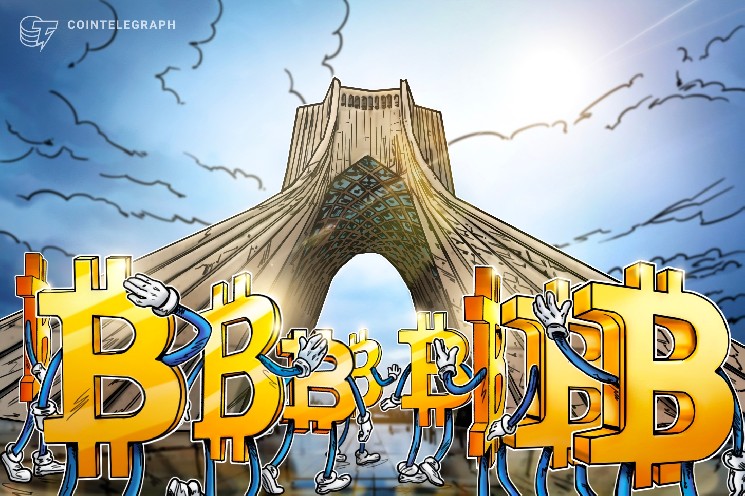
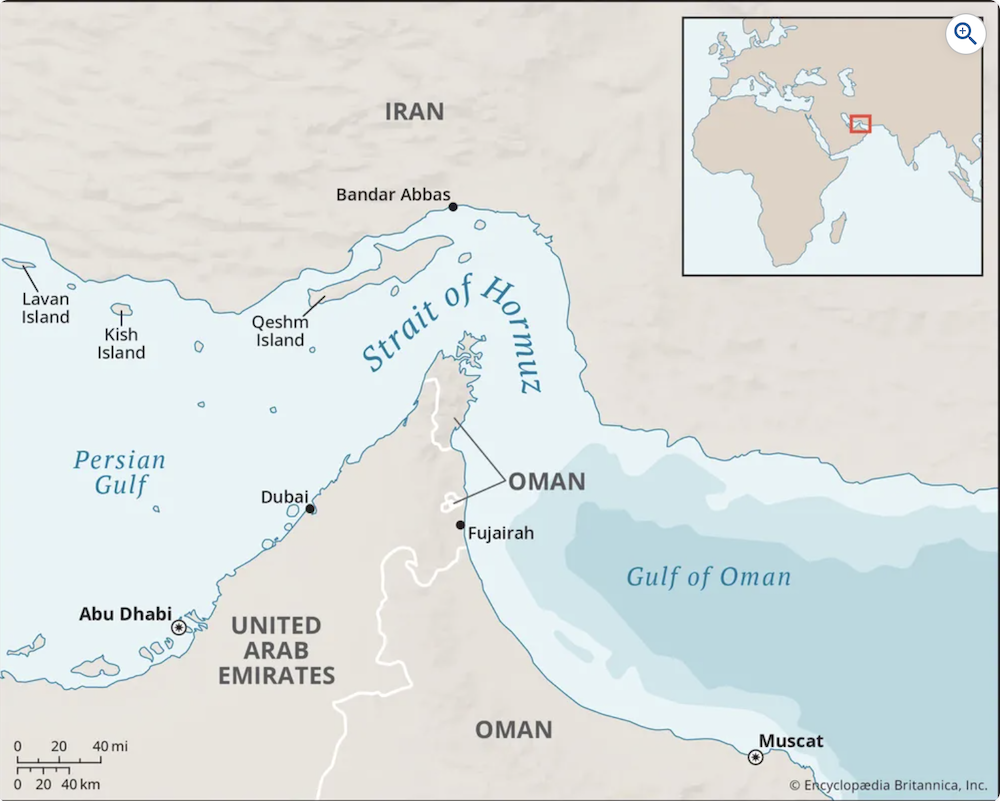
The Bitcoin ($BTC) community is currently engaging in discussions regarding the potential acceptance of $BTC by the Iranian government for toll payments from oil tankers navigating through the Strait of Hormuz, a vital maritime route responsible for approximately 20% of global oil transportation.
This conversation was ignited by a report from the Financial Times released on Wednesday, which indicated that Iran is contemplating allowing $BTC transactions to pay these tolls as a strategy to circumvent U.S. sanctions.
Following this report, various conflicting accounts have emerged suggesting that payments might also be made using stablecoins or Chinese yuan. Alex Thorn, head of research at crypto investment firm Galaxy, highlighted these discrepancies.
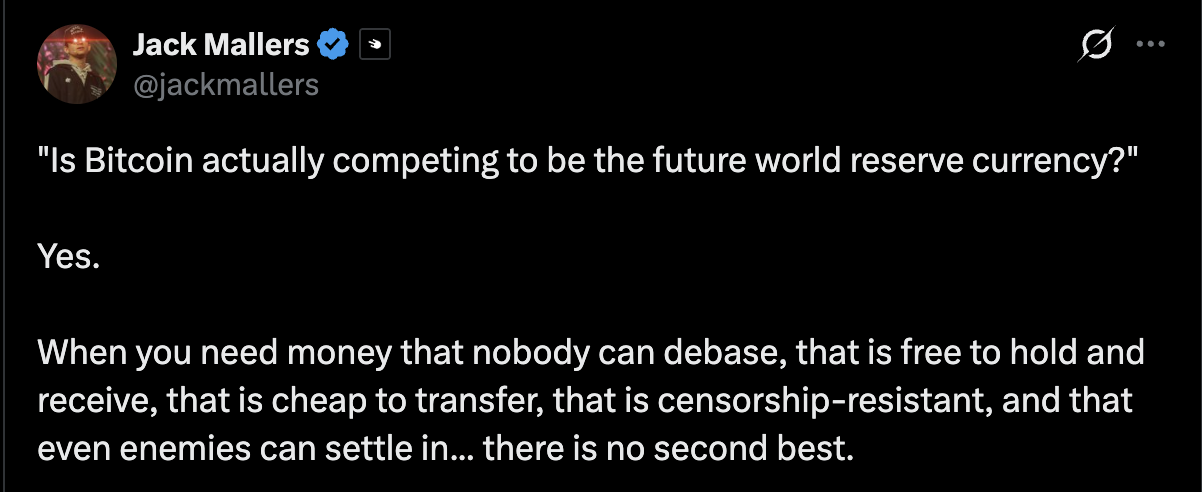
Justin Bechler, an advocate for Bitcoin, pointed out that stablecoins can be subject to freezing by their issuers and referenced compliance measures introduced in regulatory frameworks like GENIUS as reasons why Iran would avoid collecting tolls in US-dollar stablecoins. He stated:
“USDT and USDC possess built-in blacklist capabilities within their smart contracts. If an address gets flagged, issuers can freeze those tokens completely rendering them illiquid. The enforcement relies solely on issuer compliance.”
“Bitcoin lacks an issuer or compliance officer who could exert pressure and does not include any freezing mechanism,” he continued. “Iran’s shift towards Bitcoin stems directly from this inherent structure.”
If Iran proceeds with accepting $BTC for tanker fees, proponents argue it would enhance Bitcoin’s reputation as a neutral medium for international financial transactions.
Iran may utilize QR codes to facilitate $BTC payments
A rough estimate provided by Thorn suggests that each oil tanker might incur toll charges ranging between $200,000 and $2 million when traversing through the Strait of Hormuz.
The initial Financial Times article mentioned comments from a representative at Iran’s Oil, Gas and Petrochemical Products Exporters’ Union stating that vessels would have only “a few seconds” to finalize their payment using $ BTC .
This implies ships could utilize the Lightning Network—a layer-2 payment solution designed for $ BTC —to process transactions almost instantaneously instead of waiting around ten minutes for block confirmations.
Your largest recorded transaction over Lightning thus far has been capped at $1 million according to Thorn’s insights.
“It seems more plausible that Iranian officials will issue either a QR code or alphanumeric Bitcoin address upon granting permission for ships wishing to pass through the Strait,” he concluded.