According to Sam Lyman, the head of research at the Bitcoin Policy Institute (BPI), a Washington DC-based organization advocating for digital assets, there exists a mutually beneficial relationship between US dollar-pegged stablecoins and Bitcoin ($BTC). This connection is driven by increasing adoption rates.
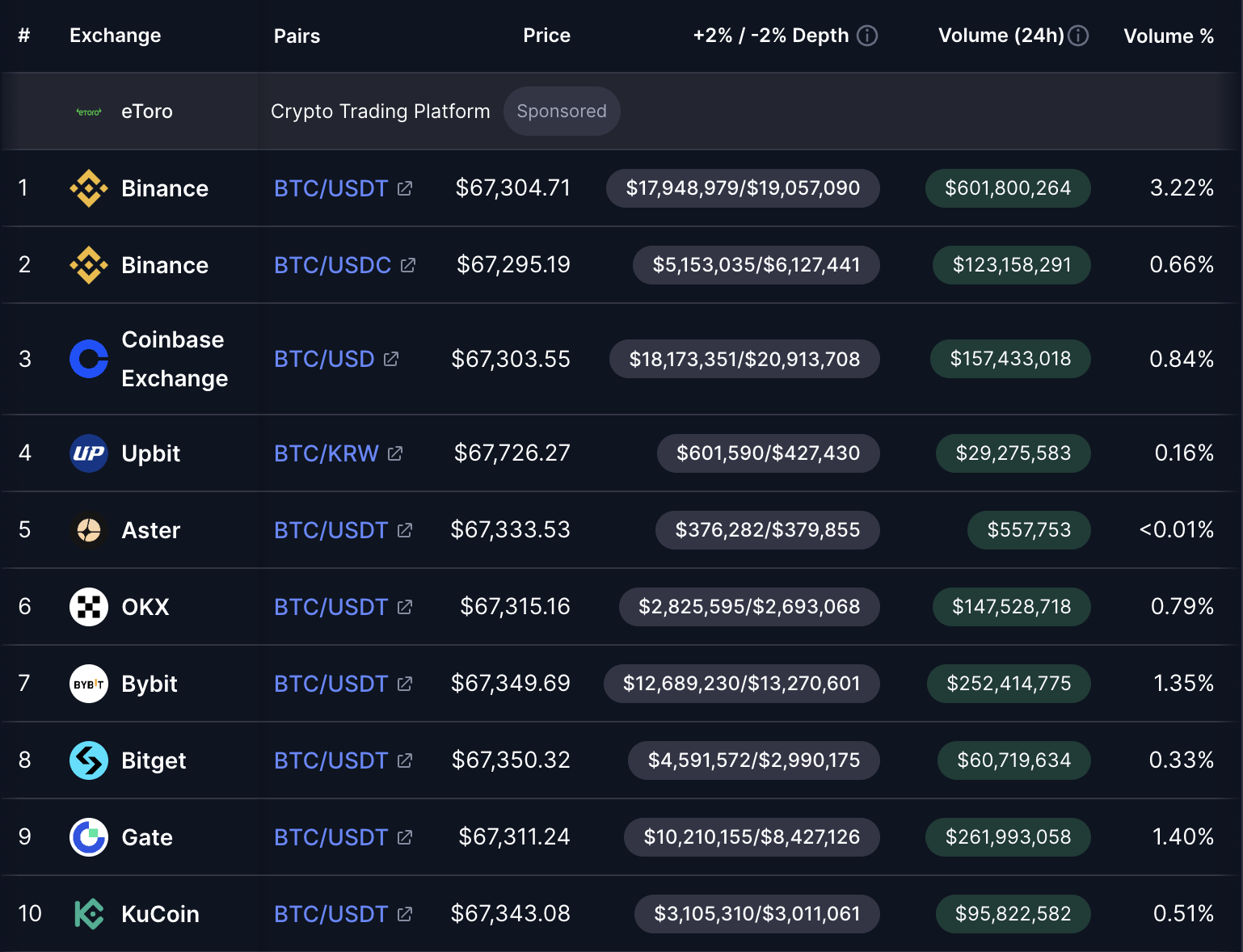
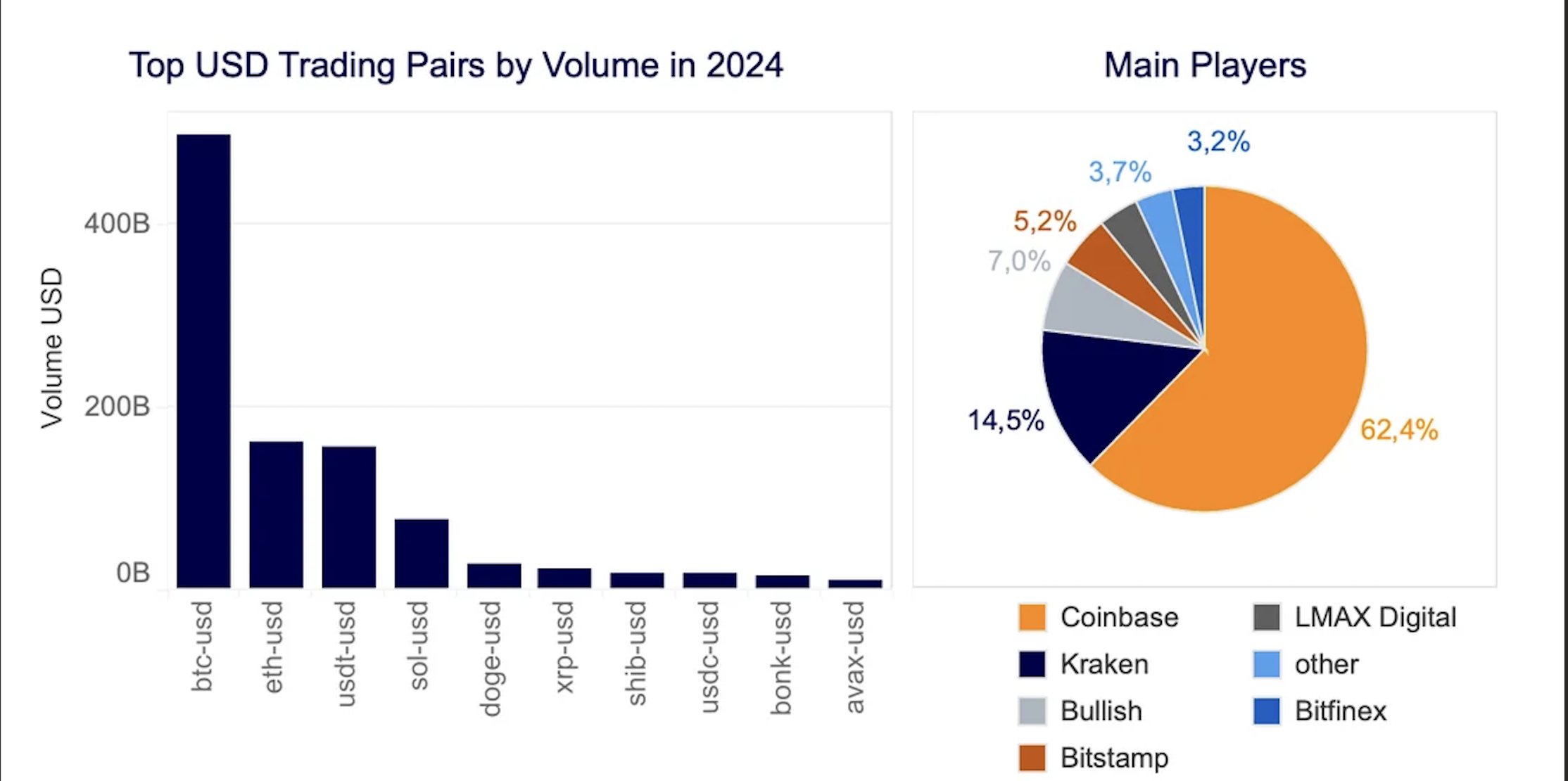
Lyman explained to Cointelegraph that Bitcoin positively impacts the US financial system since its primary trading pair is $BTC/USD. This includes Tether’s USDt (USDT) stablecoin, which is secured by cash reserves and short-term US government securities. He elaborated:
“There exists a symbiotic dynamic between $BTC and the dollar system because transactions involving $BTC predominantly occur in dollars. Thus, I perceive these elements as reinforcing each other, which contradicts the narrative suggesting that $BTC undermines the dollar.”
Lyman compared the relationship between Bitcoin and dollar-pegged stablecoins to that of oil and dollars under the petrodollar system established in the early 1970s, where international oil transactions are conducted in dollars—thereby increasing demand for this currency.
The researcher urged American legislators to persist with developing regulations on stablecoins introduced within the framework of $GENIUS, emphasizing adherence to its fundamental principles as essential for maintaining US dollar supremacy while remaining competitive on a global scale.
Related: A surge in stablecoin activity surpasses automated clearing house volume recorded in February.
The Chinese Government’s Restrictions on Permissionless Blockchain Technology Amid CBDC Initiatives
The People’s Republic of China has repeatedly “prohibited” both Bitcoin and stablecoins due to their significant threat towards governmental capital controls—an essential aspect of China’s economic structure—as stated by Lyman during his conversation with Cointelegraph.
“The entire Chinese economy relies heavily on capital controls,” he noted. “China manages to retain funds domestically by restricting its elite from transferring money abroad.”
This explains why China reiterated its ban on stablecoins back in 2025 while opting instead for launching a digital yuan—a yield-bearing central bank digital currency (CBDC)—to regulate capital movements more effectively and capture greater shares within foreign exchange markets according to Lyman’s insights.
CBDC systems are entirely programmable and governed either by governmental authorities or central banks issuing these digital fiat currencies.
Nevertheless, despite stringent bans imposed against permissionless cryptocurrency activities—including both mining operations related to Bitcoin as well as flows associated with various stablecoins—the effectiveness remains questionable according To Lyman’s observations regarding ongoing trends surrounding such activities emerging from China’s borders .
Even after an outright prohibition concerning bitcoin mining practices , Chinese mining pools still command over thirty-six percent share among global hash rate contributions dedicated towards securing networks , based upon statistics released via Hashrate Index .
Magazine : A confrontation looms between bitcoin versus Stable coins approaching closer than ever alongside progress made through legislation surrounding [insert link] $GENIUS Act nearing completion!