Amidst the ongoing conflict in West Asia, rating agency Crisil on Friday said that India’s gross domestic product (GDP) expansion is expected to moderate to 6.8% in “alternative case” and the growth could slow further to 6.5% in a more prolonged conflict scenario.
The rating agency said the ongoing disruptions to oil and gas supplies through the Strait of Hormuz, combined with damage to key infrastructure in the region, due to Us-Israel and Iran conflict are shifting India toward a lower growth trajectory.
While the base case projection stands at 7.1%, Crisil assesses that the economy is rapidly transitioning toward its alternative scenario of 6.8% growth for the current fiscal year.
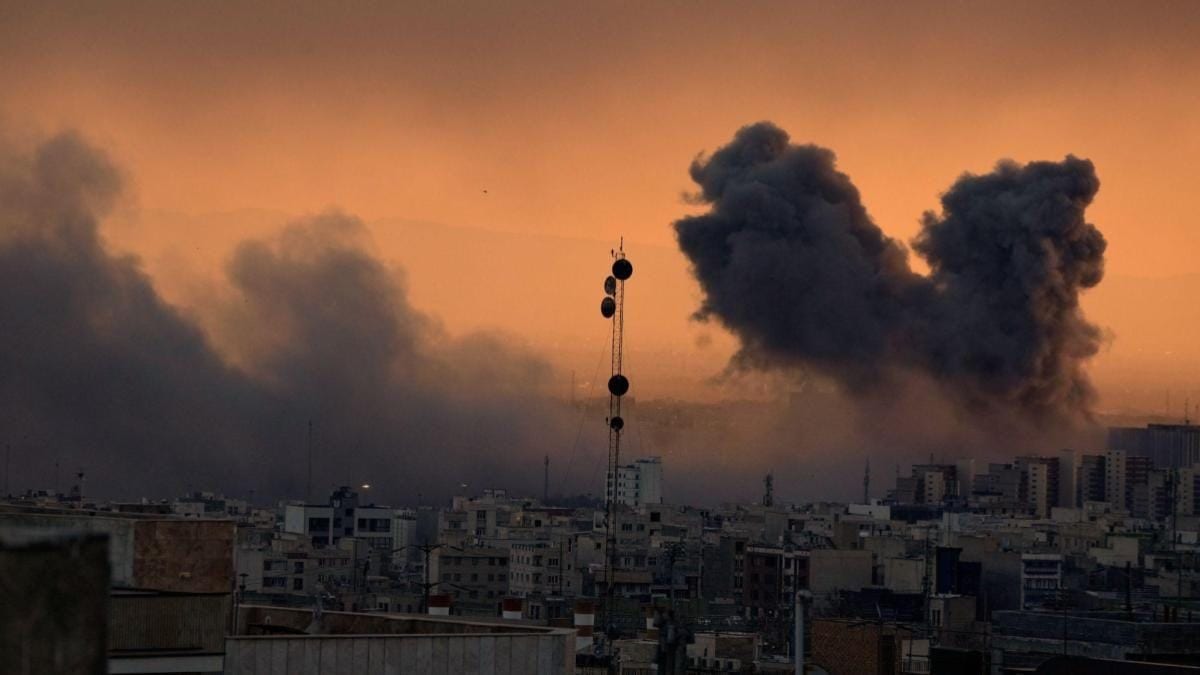
The conflict, which began in late February between the US-Israel alliance and Iran, has severely constrained energy flows. Only selective passage is allowed through the Strait of Hormuz, which handles about 20% of global oil, oil production facilities have been shut in parts of West Asia, and Qatar’s massive LNG facility has been partially destroyed. These developments have driven up global energy prices significantly.
Crisil expects Brent crude to average around $82–87 per barrel in the alternative case for this fiscal and the conflict continues till April-end.
In a more adverse scenario, the rating agency assumes the conflict to prolong beyond two months, causing sharper disruptions and a slower recovery in energy supplies from West Asia. After an initial spike, Brent is likely to average $100/barrel in this fiscal, while the Strait of Hormuz remains partially operational for select countries, including India.
“Over time, the situation will evolve from a price shock in oil and supply shock in gas to a major price shock, with input costs remaining elevated throughout the year, which will squeeze producer margins. Pricing power, too, is expected to get restricted amid rising inflation. As a result, the downside risk to growth is expected to increase, slowing GDP to 6.5% for this fiscal,” Crisil said in its report titled Economic Impact of West Asia Shock.
The rating agency also said that the consumer price inflation is seen averaging 5.4% in FY27, driven by higher fuel costs and second-round effects on core inflation. This will likely prompt tighter monetary policy, the report noted. “On the domestic front, the rating agency said that the consumption, which is the strongest driver of growth at present, could soften due to slower agricultural income growth and rising retail inflation,” it said.
TOPICSCrisilThis article was first uploaded on April ten, twenty twenty-six, at forty-six minutes past seven in the evening.