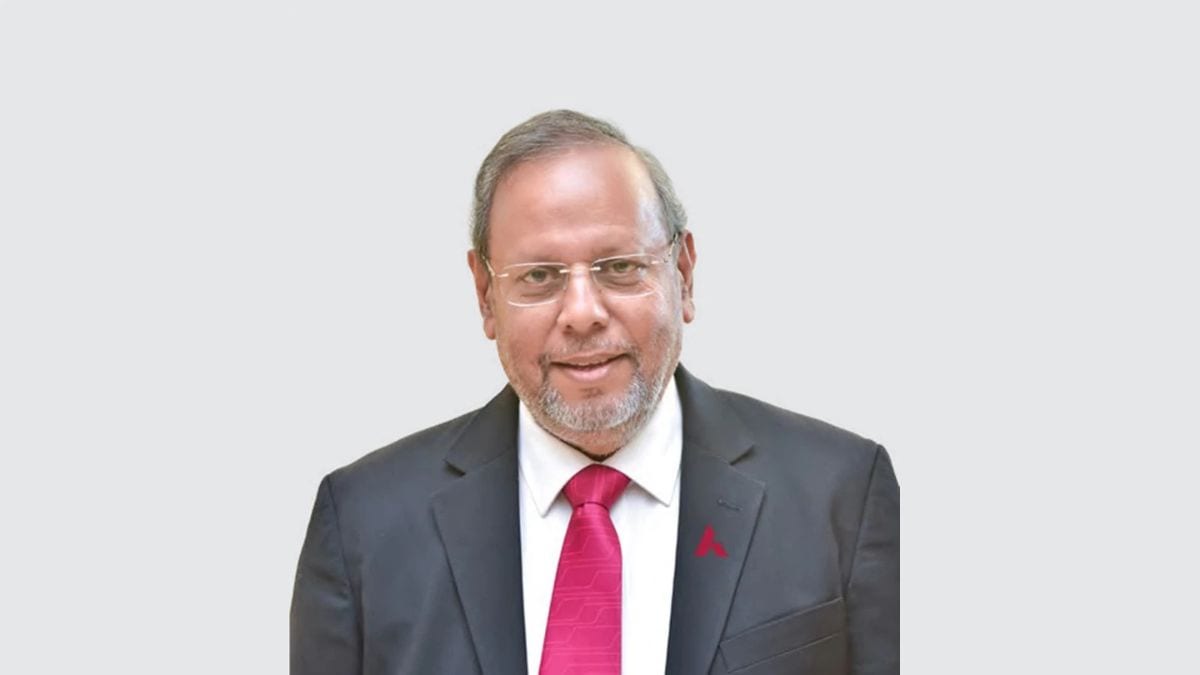
Despite rising global uncertainties from the West Asia conflict, India’s economy remains resilient, supported by strong fundamentals, stable inflation, and domestic demand, said Mahendra Dev, Chairman of the Economic Advisory Council to the Prime Minister. While growth may moderate slightly and risks persist, there are enough buffers to manage near-term shocks, Dev told Prasanta Sahu. Edited excerpts.
Q: Many agencies have cut India’s FY27 growth forecasts due to the West Asia war. What is your outlook?
India’s fundamentals remain strong, with low inflation, fiscal prudence and macroeconomic stability. GDP growth for 2025-26 is estimated at 7.6%, and recent high-frequency indicators suggest the war has had only a limited impact so far. The ceasefire is a positive development. For FY27, growth will depend on how long the conflict lasts, especially through its impact on energy prices. The RBI projects 6.9% growth, and a 6.9–7% range seems realistic, slightly lower than earlier expectations of 7.4%. The current account deficit may widen to about 1.5% of GDP due to higher crude prices, but India’s domestic demand-driven growth model provides resilience.
ALSO READCentre offers pulses from buffer to states’ welfare schemes
Q: How do you see the inflation and growth impact of the war?
Much would depend on the behaviour of energy prices, especially oil. Currently, inflation is around 3%; if the war continues, it could go up to 4 or 4.5%. It is worth noting that inflation is low due to a comfortable food price situation driven by adequate supply and peak harvest arrivals for both grain and vegetable prices. The price of the Indian crude basket has also eased from the highs experienced during mid-March 2026.
The ceasefire announcement and greater supply of crude oil will help ease this further. An easing of metals, especially gold, has put downward pressure on inflation. Further, in terms of input costs, the pass-through of cost increases is limited by considerations of demand elasticity and competitive pressures. Thus, the impact would depend on how long the conflict continues; however, given the strong fundamentals, India is in a position to manage it well.
Q: Do you expect a tightening monetary policy cycle soon?
The RBI’s FY27 inflation projection of 4.6%, assuming crude at around $85 per barrel, appears reasonable and within the target band. Nominal GDP growth is expected to rise to about 11.5%, which should support higher tax revenues. As long as inflation remains within the band, there may be limited pressure to raise rates unless the conflict intensifies significantly. The RBI has ensured adequate liquidity through open market operations worth Rs 1 lakh crore in March 2026. Since current inflation risks are largely supply-driven, the policy response is likely to remain calibrated.
ALSO READWest Asia crisis slowing India growth: Crisil
Q: Consumption appears to be slowing after the initial boost from tax cuts. What should the government do?
A sectoral view is important. Some indicators remain strong—retail automobile sales grew 25.2% year-on-year in February, and digital payments volumes rose 26.6%. While the war may have some impact, the government has cut excise duties on petrol and diesel by Rs 10 per litre to shield consumers. This helps stabilise fuel prices and supports household consumption.
Q: Investment intentions slowed in the March quarter. Is a new investment cycle still likely?
The slowdown reflects heightened uncertainty due to the West Asia conflict. However, the government’s continued focus on ease of doing business, deregulation, and timely policy support provides a strong foundation. As conditions stabilise, these measures should help revive private investment.
Q: How should India manage medium- and long-term supply chain challenges?
This needs to be looked at from the perspective of Atmanirbhar Bharat. This depends upon increasing competitiveness across sectors and de-risking supply chains. Already in the Union Budget we saw a focus on manufacturing and industrial strategy. Various areas such as biopharma, semiconductors, electronics components, rare earths, chemicals, capital goods, textiles and sports goods were covered with emphasis on domestic value addition, standards, testing, research and skilled manpower. At the same time, diversifying sources of imports acquires significance to manage supply chain issues.
Q: What is the way forward on trade agreements?
India’s trade policy is becoming more pragmatic and outward-looking, focusing on export competitiveness, diversification of partners, and tackling non-tariff barriers. Trade agreements play a key role in improving market access and providing certainty.
Q: With challenges to the WTO system, what should be India’s strategy?
India is leveraging Free Trade Agreements (FTAs) to expand market access, attract investment, and integrate into global supply chains. While the WTO remains important, regional and bilateral agreements are seen as complementary, especially given limited progress in multilateral negotiations. While the rule-based trading system with the WTO is important, Regional Trade Agreements (RTAs) are complementary to multilateral trade liberalisation.
TOPICSGDP growthThis article was first uploaded on April ten, twenty twenty-six, at ten minutes past nine in the night.