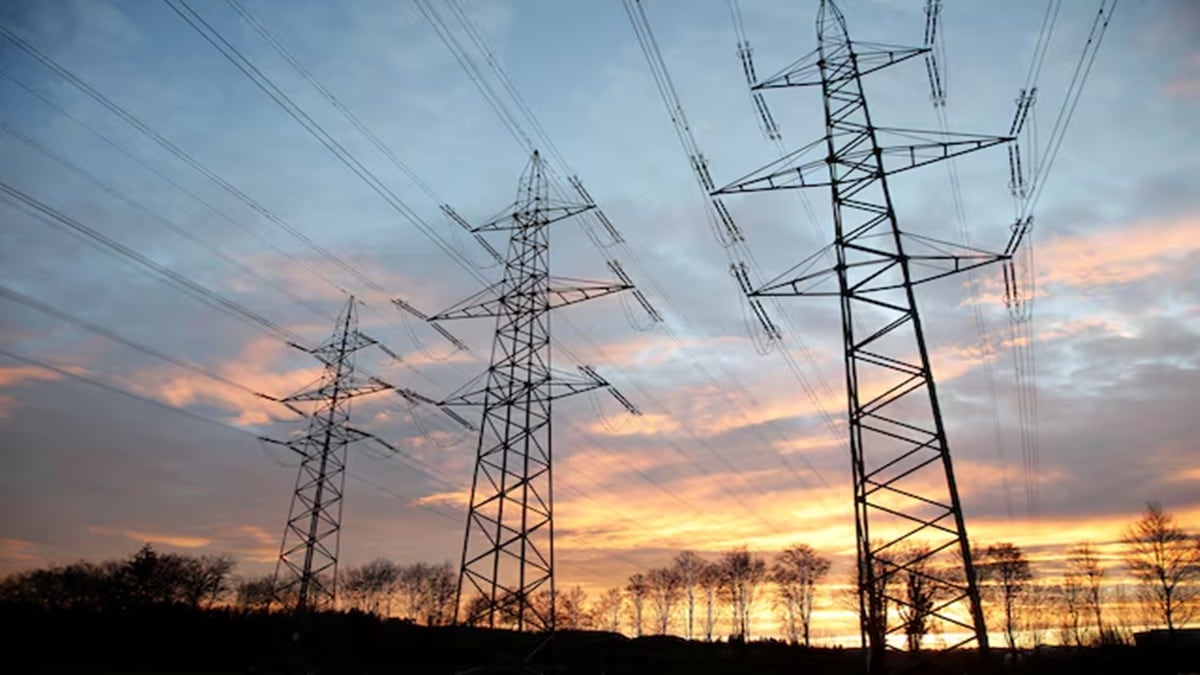
An annual $140-billion oil & gas import bill, power demand projecting to grow 6.4% annually, and back-to-back global disruptions – from Russian oil to the Iran war – exposing vulnerabilities, electrification is emerging as a central pillar of India’s energy strategy.
A Bernstein report said India’s energy security “has been tested twice in quick succession, first by disruptions around Russian oil, and now by the Iran war,” underlining the urgency for structural change as geopolitical risks intensify.
Resource Realities
At the core of the shift is India’s continued dependence on imported hydrocarbons, even as domestic resources remain concentrated in coal and solar. “Like China, India is resource-poor in oil and gas, but resource-rich in coal and solar, which makes electrification the real structural answer,” the report said.
ALSO READLPG shortage could strain urban power grids
The report says electrification is no longer a gradual transition, but a near-term necessity to reduce exposure to volatile global fuel markets. “The policy imperative is clear: Accelerate thermal and nuclear capacity, while also strengthening renewables, storage, and the grid,” it said.
Demand trends are reinforcing this shift. While electricity demand historically grew at around 0.8 times the GDP, it is now expected to track closer to the economic growth. The International Energy Agency has projected a 6.4% CAGR in power demand between 2025 and 2030.
New consumption drivers are reshaping the sector. The report has identified data centres, electric mobility, rising appliance ownership and cooling demand as key contributors. Data centres alone are expected to account for 2–3% of India’s power demand by 2030, rising to around 4% by 2035.
This shift in demand is also changing the nature of capacity additions. While renewables remain a key pillar, the need for reliable, round-the-clock supply is pushing investments towards thermal, storage and nuclear capacity.
Bernstein expects India to sustain a high capacity addition cycle, with nearly 60 GW of power capacity likely to be added in FY26, more than twice the long-term average. This includes 35–40 GW of renewables annually, 10–15 GW of battery storage and about 7 GW of thermal capacity.
ALSO READPulse imports drop 35% in April-January on robust crop, stocks
Infrastructure Bottlenecks
However, execution risks remain. “We are lesser optimistic on the pace of renewable capacity addition given the challenges developers are facing with land and transmission connectivity readiness,” the report said.
Instead, hybrid models combining solar with battery or pumped storage are expected to dominate future additions, helping address intermittency and improve grid stability.
Industry executives said the transition will require a balanced approach. Ratul Puri, chairman, Hindustan Power, said electricity will play a central role in growth and “it is imperative… to add capacity across the energy mix and rely first on domestically available resources.”
Simarpreet Singh, director and CEO, Hartek Power, said the constraint has shifted from generation to infrastructure. “The real constraint lies in evacuation and system integration… unless transmission expands in lockstep, capacity will remain under-utilised,” he said.
The report drew parallels with global responses to past energy shocks, including France’s nuclear push after the 1973 oil crisis, suggesting India may be approaching a similar inflection point.
As repeated global disruptions expose the fragility of fuel-dependent systems, electrification is increasingly being positioned as India’s most immediate and durable response to energy insecurity.
TOPICSCrude oilThis article was first uploaded on March twenty-nine, twenty twenty-six, at ten minutes past nine in the night.