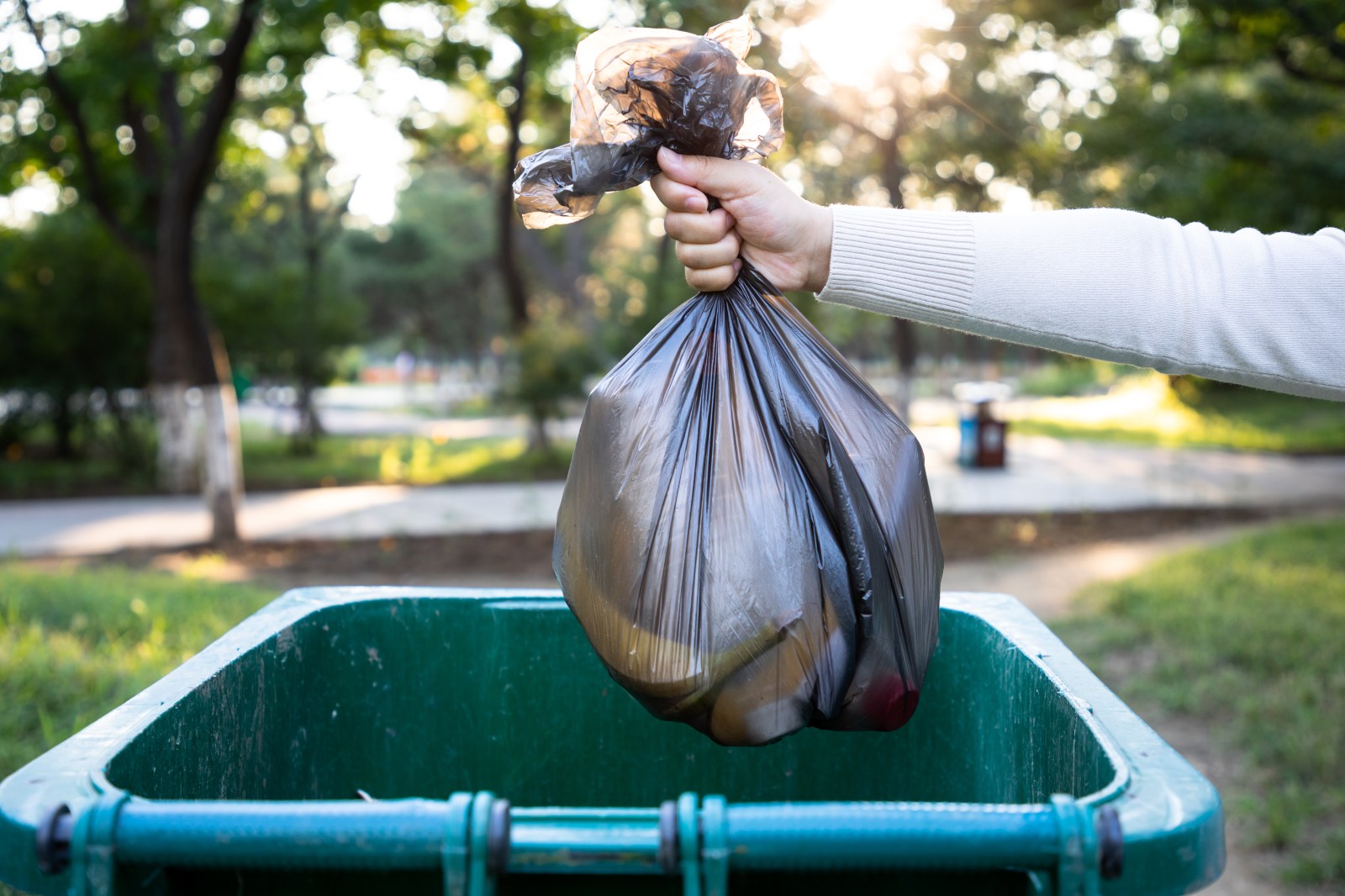
India’s growing mountains of urban waste could soon transform into a massive economic opportunity worth nearly $51 billion by 2047, according to a new report by the Council on Energy, Environment and Water (CEEW), a Delhi-based public policy think tank focused on climate, energy and sustainable development.
The study says better management of India’s urban organic waste, including kitchen scraps, food leftovers, vegetable waste, flowers and horticulture waste, could create nearly 26 lakh direct jobs, attract around $24 billion in investments and significantly cut greenhouse gas emissions over the next two decades.
ALSO READGST collections rise 3.2% to Rs 1.94 lakh crore in May 2026 — What’s driving the growth?
What is CEEW?
The Council on Energy, Environment and Water (CEEW) is one of India’s leading policy research institutions working on issues related to climate change, clean energy, sustainability, air pollution, water and resource management. The organisation frequently advises governments and policymakers on energy transition, environmental governance and green economic growth strategies.
Its latest report positions urban waste management not merely as a sanitation challenge, but as a major economic, employment and climate opportunity for India.
India’s waste problem is growing rapidly
Currently, India generates nearly 1.71 lakh tonnes of municipal solid waste every day, with organic waste accounting for almost half of it. However, the report notes that only around 61% of municipal waste is currently processed or treated.
A large portion still ends up in overflowing landfills, illegal dumping sites, drains or is openly burned, worsening urban pollution and public health concerns.
According to the report, open waste burning contributes nearly 10% of PM2.5 pollution in Indian cities. Unmanaged organic waste also emits methane, a greenhouse gas far more potent than carbon dioxide over shorter periods.
CEEW estimates that emissions from India’s waste sector rose by 226% between 1994 and 2020, making it one of the country’s fastest-growing sources of emissions.
Waste-to-wealth model could reshape cities
The report argues that India can reverse this trend by converting organic waste into valuable economic resources such as compost, biogas, biomethane and bio-CNG.
Under its “accelerated policy scenario,” India could process 95% of urban organic waste through composting and biomethanation by 2047. This could potentially turn the waste sector from a pollution source into a major contributor to emissions reduction.
The report estimates that such a transition could help reduce nearly 68 million tonnes of carbon dioxide equivalent emissions by 2047.
Under a more aggressive scenario involving 100% waste collection and larger-scale bio-CNG production, the market opportunity could rise further to nearly $62 billion.
Bio-CNG seen as key future fuel
One of the central themes of the report is the growing importance of biomethanation and bio-CNG in India’s clean energy transition.
Organic waste can be converted into biogas and biomethane, which after purification becomes compressed bio-CNG. Currently, composting accounts for around 96% of India’s organic waste treatment capacity, while biomethanation contributes just 4%.
CEEW believes India must rapidly expand biomethanation infrastructure to improve energy security, reduce landfill emissions and support the country’s long-term net-zero goals.
26 lakh green jobs could be created
The report also talks about the sector’s massive employment potential. According to the study, a typical 100-tonne-per-day biomethanation plant can employ around 31 workers, while a composting facility of similar scale requires nearly 28 workers across operations, logistics, maintenance and technical functions.
Under the accelerated policy scenario, direct employment in the sector could rise from around 4 lakh jobs today to nearly 26 lakh jobs by 2047.
The report says this could create an entirely new green workforce spanning waste collection, energy production, processing, transportation, fertiliser distribution and recycling industries.
ALSO READIndia’s factory growth hits 3-month high in May — Even as Middle East tensions lift input costs
New waste rules could drive change
The study comes shortly after India implemented its Solid Waste Management Rules, 2026, which mandate segregation of waste at source and require wet waste to be processed at nearby composting or biomethanation facilities.
CEEW noted that India already has multiple schemes supporting waste management, including Swachh Bharat Mission-Urban, GOBARdhan, SATAT, the National Bioenergy Programme and the Waste-to-Energy Programme. However, the think tank said implementation gaps remain a major challenge.
Execution still the biggest hurdle
According to the report, cities continue to struggle with poor waste segregation, weak collection systems, unreliable data, inconsistent contracts and limited markets for compost and bio-CNG products. Municipal contractors are often rewarded based on the quantity of waste collected rather than the quality of segregation or recycling, resulting in mixed waste continuing to flow into dumping grounds.
To unlock the sector’s full potential, the report recommends improving source segregation, updating waste data systems, shifting towards performance-based contracts, expanding workforce training and building stronger markets for compost and bio-CNG.
TOPICSfuelGreen EnergyJobsThis article was first uploaded on June one, twenty twenty-six, at fifteen minutes past four in the afternoon. © IE Online Media Services (P) Ltd