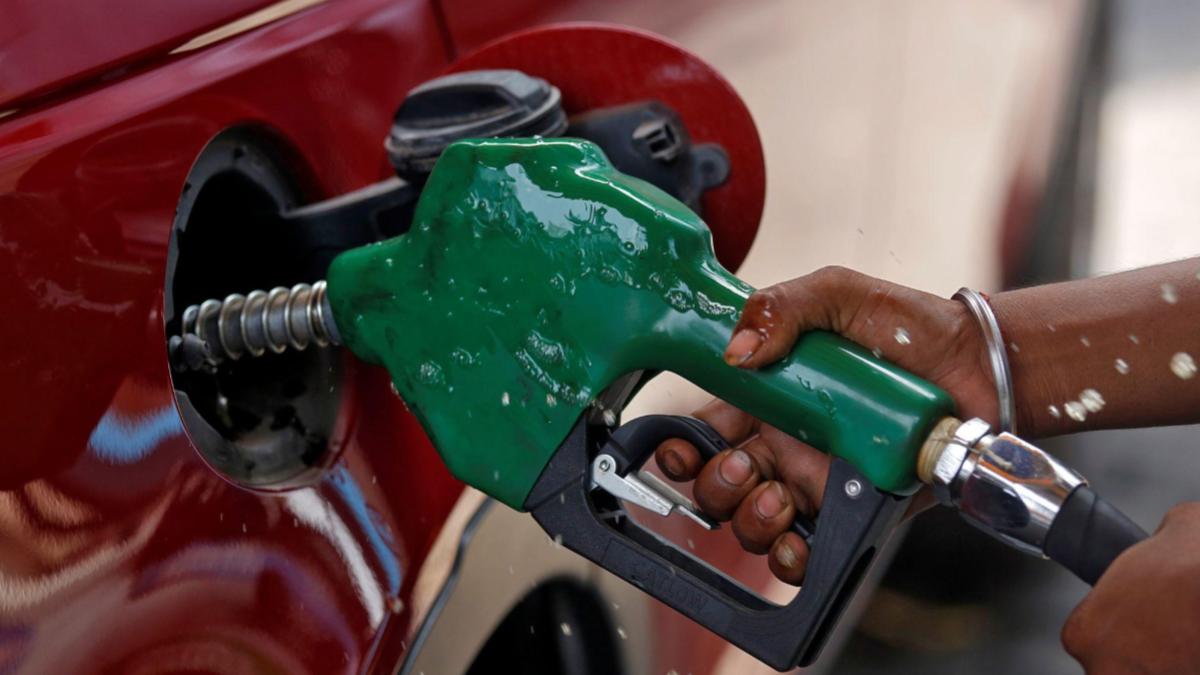
A series of hikes in petrol and diesel prices at the retail level has triggered concerns over rising inflation, with economists estimating an addition of around 30 basis points to the near-term outlook. However, they are yet to revise their inflation outlooks for the full financial year; recent estimates were moderately higher than 4.6% projected by the Reserve Bank of India (RBI).
State-run oil marketing companies hiked petrol prices by Rs 2.61 per litre and diesel by Rs 2.71 per litre on Monday. This is the fourth consecutive increase, taking the cumulative hike to Rs 7.5 per litre over the past two weeks. While the magnitude of the hikes is still around what analysts had projected earlier, given that OMCs’ under-recoveries still need to be bridged, a few more rounds of price adjustments cannot be ruled out.
ALSO READRupee climbs for third session
Petrol and diesel together carry a weight of 4.9% in the Consumer Price Index (CPI) basket. Madan Sabnavis, chief economist at Bank of Baroda, said the cumulative hike of around 7.3-7.5% would lead to a direct (primary) increase of 35-40 basis points in inflation. “The primary effect should show immediately in the CPI for May,” he noted.
Indirect Blow
The indirect impact is likely to be even sharper. Higher diesel prices will push up transportation and logistics costs, with transporters already announcing a 3-4% hike in freight rates. This is expected to drive up prices of essential items such as vegetables, fruits, milk, and other food articles. Manufacturing and services sectors will also face elevated input costs, leading to second- and third-round effects as producers pass on the higher expenses.
Rajeev Sharan, head of research at Brickwork Ratings, projected CPI inflation to average between 4.2-4.5% in Q1FY27. “The immediate impact on headline CPI will likely be modest initially, but the pass-through will become more visible over the next one to two months,” he said. “Our estimates suggest that the fuel hike alone could add around 20-30 basis points to near-term inflation.”
Sabnavis estimates the cumulative impact could reach 60-70 basis points over time, depending on the speed of pass-through. Retail inflation stood at 3.48% in April, marginally up from 3.4% in March. The fuel shock comes at a sensitive time, as the RBI has projected average CPI inflation at 4.6% for FY27.
ALSO READPre-policy poll: RBI may favour FX, liquidity tools over rate hike
Central Bank’s Guardrails
Many economists believe inflation could average around 4.9% in FY27. Gaura Sengupta, chief economist at IDFC First Bank, had earlier estimated that a cumulative Rs 10 per litre hike spread over a couple of months could push average inflation to 4.6% (with second-round effects) or 4.9% (including food inflation), with a peak of around 5.5% in Q3.
Sakshi Gupta, principal economist at HDFC Bank, projected headline inflation at 4.9% for FY27, with H1 averaging around 4-4.5% and H2 at 5-5.5%. She noted that fully offsetting under-recoveries would require a price increase of Rs 11 per litre for petrol and Rs 23 per litre for diesel.
Future hikes remain uncertain. Global crude oil prices have eased below $100 per barrel amid hopes of a US-Iran agreement, but the situation could change quickly, Sabnavis cautioned.
TOPICSPetroleumThis article was first uploaded on May twenty-five, twenty twenty-six, at fifty-eight minutes past eleven in the night.