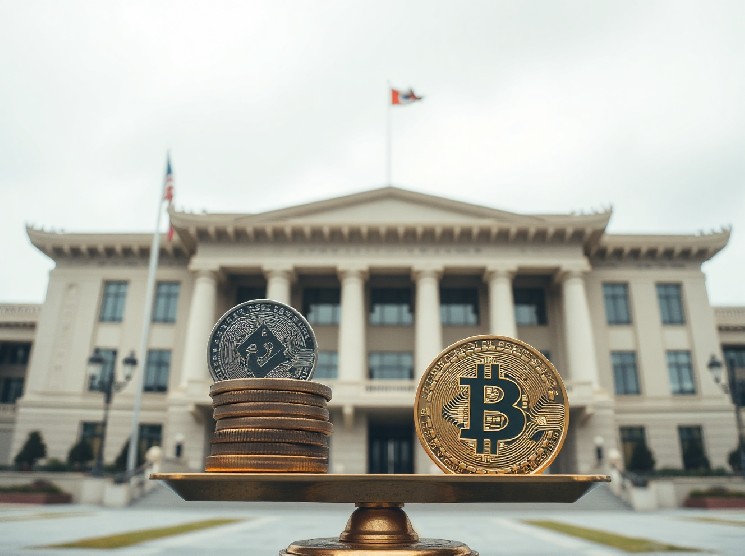
South Korea’s planned implementation of a cryptocurrency tax in January is facing mounting opposition from investors and lawmakers, who argue that taxing digital asset gains while stock market profits remain untaxed violates basic principles of fairness. The controversy, reported by The Hankyoreh, has reignited a broader debate about the country’s approach to taxing investment income.
The Core of the Dispute
The central argument against the crypto tax is straightforward: if the government has abolished the Financial Investment Income Tax (FIIT) on stock market gains, it is inconsistent to proceed with a tax on virtual asset income. Critics say this creates an uneven playing field that unfairly targets cryptocurrency investors while protecting traditional stock traders. The government’s decision to scrap the stock tax was driven by concerns that it could cool down the stock market—a rationale that opponents say should apply equally to the crypto market.
Expert Warnings and Political Pressure
Oh Moon-seong, president of the Korean Tax Policy Association, has stated clearly that the two taxes must be discussed together for the sake of equity. He warned that implementing the crypto tax in isolation would inevitably provoke strong tax resistance from investors. Another tax expert, speaking on condition of anonymity, noted that with the virtual asset market currently in a poor condition, proceeding with the tax would likely lead to intense backlash. The expert suggested there is a significant possibility that both the government and the National Assembly will yield to pressure and postpone the tax once again.
Why This Matters to Investors
For South Korean crypto investors, the stakes are high. The planned tax would impose a 20% levy on annual gains exceeding 2.5 million won (approximately $1,900). If implemented, it would mark the first time the country directly taxes cryptocurrency trading profits at the individual level. The fairness argument, however, has given opponents a powerful political weapon. If the stock tax remains repealed, it becomes politically difficult to justify taxing crypto alone—especially when many retail investors participate in both markets.
Broader Implications for Crypto Policy
South Korea has long been a bellwether for cryptocurrency regulation in Asia. Its decisions on taxation are closely watched by other jurisdictions considering similar measures. A delay or revision of the crypto tax could signal that governments must approach digital asset taxation with greater care, particularly when existing tax policies for traditional assets are inconsistent. The debate also highlights a growing global tension: how to tax emerging asset classes fairly without stifling innovation or creating market distortions.
Conclusion
The fairness debate surrounding South Korea’s crypto tax is not merely a procedural issue—it strikes at the heart of how governments treat different forms of investment income. With experts warning of strong resistance and political pressure mounting, the January 2024 implementation date appears increasingly uncertain. Whether the government pushes forward, revises the tax, or delays it again will send a clear signal about its commitment to equitable tax policy in the digital age.
FAQs
Q1: When is South Korea’s crypto tax scheduled to take effect?The tax is currently scheduled for implementation in January 2024, though it has already been delayed once.
Q2: What is the Financial Investment Income Tax (FIIT)?FIIT was a proposed tax on stock market gains in South Korea. It was repealed due to concerns that it would negatively impact the stock market.
Q3: What is the main argument against the crypto tax?The primary argument is that taxing cryptocurrency gains while stock gains remain untaxed violates the principle of fairness, creating an uneven playing field for different types of investors.