
A number of individuals within the Bitcoin community have expressed skepticism regarding the US government’s grasp of the Bitcoin network. This reaction followed a statement made by a senior military official during a Senate Armed Services Committee meeting, where he claimed that the US government operates a Bitcoin node.
US Navy Admiral Samuel Paparo remarked to the committee, “Our exploration into Bitcoin is fundamentally rooted in computer science. It encompasses cryptography, blockchain technology, and proof of work.”
Bitcoin educator and advocate Matthew Kratter criticized this assertion, suggesting that it appeared as though Admiral Paparo was reciting information from a Wikipedia entry on Bitcoin. He questioned both Paparo’s and Senator Tommy Tuberville’s understanding of the cryptocurrency protocol. Kratter elaborated:
“This is genuinely quite embarrassing. These two individuals are discussing something they clearly do not comprehend. When he refers to it as merely ‘projecting power’ or labeling it as ‘a computer science tool,’ he fails to clarify what he actually means.”
Kratter continued his critique by stating, “All I could think was that they were saying absolutely nothing.” Journalist Lola Leetz from The Rage echoed these sentiments by describing Paparo’s testimony as “babbling.”
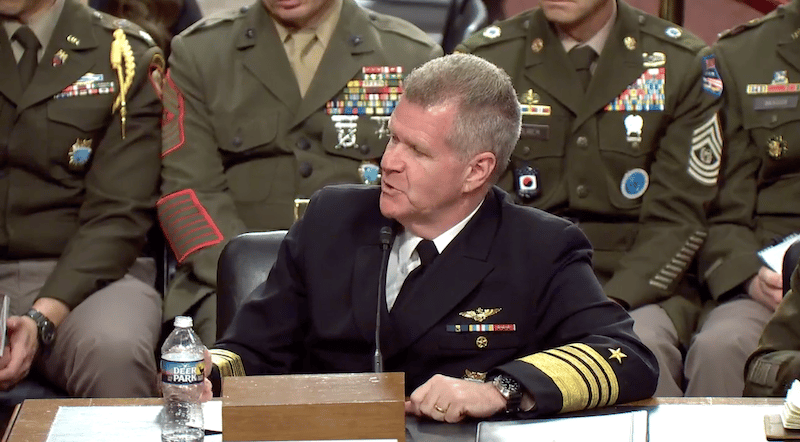
Samuel Paparo testifies before the US Senate Armed Services Committee. Source: US Senate Armed Services Committee
This testimony came on the heels of an announcement from Iran indicating its acceptance of Bitcoin for shipping tolls through the Strait of Hormuz—a vital oil transit route responsible for approximately 20% of global oil supply—thereby reinforcing BTC’s position as a strategic asset.
Related: The symbiotic relationship between Bitcoin and USD: Insights from BPI executive
The Current Geopolitical Landscape Emphasizes Bitcoin’s Strategic Importance
The Iranian government has begun accepting payments for oil tolls in Chinese Yuan, dollar-pegged stablecoins, and Bitcoin; however, according to Sam Lyman—head researcher at digital asset advocacy group Blockchain Policy Institute (BPI)—the preference leans towards dollar-pegged stablecoins.
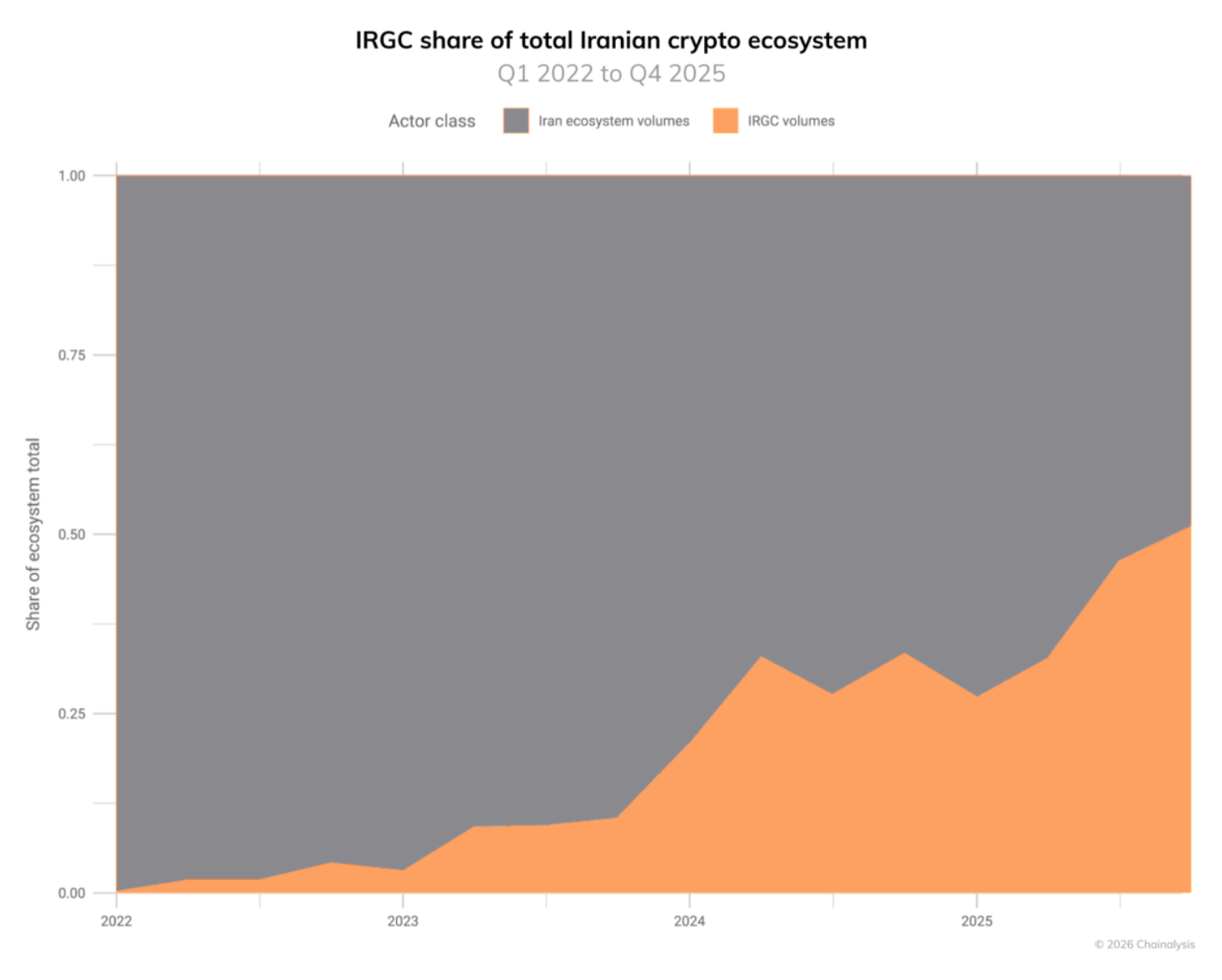
The Iranian Revolutionary Guard Corps accounts for nearly half of all crypto market transactions in Iran. Source: BPI
Lyman noted that while stablecoins can be frozen at their smart contract level by their issuers, this is not possible with Bitcoin due to its decentralized nature.
“This scenario highlights why it’s evident that Bitcoin serves as an essential strategic asset,” Lyman explained further to Cointelegraph. “Iran opts for using bitcoin in these transactions because no one can freeze it or shut down its network.”
FAQ:
- What does it mean when someone says they run a “Bitcoin node”? A “Bitcoin node” refers to any computer connected to the bitcoin network which helps validate transactions and blocks on behalf of users.
- Why do some people doubt government officials’ understanding of cryptocurrencies?This skepticism often arises when officials make statements about complex topics without demonstrating clear knowledge or comprehension.
- If Iran accepts bitcoin for tolls now, what does this imply about cryptocurrency adoption?This suggests growing recognition among nations regarding cryptocurrencies’ potential utility beyond speculative investment purposes.
- Certainly! Why can’t stablecoins be frozen like bitcoins?The fundamental difference lies in decentralization; while stablecoins are controlled by issuers who can impose restrictions such freezing assets based on policy decisions—bitcoin operates independently without central authority oversight making such actions impossible.
- How does geopolitical tension influence cryptocurrency value? Increased geopolitical tensions often lead investors toward perceived safe-haven assets like cryptocurrencies which may resultantly drive up demand—and thus prices—for those digital currencies .