Bitcoin is currently navigating a precarious macroeconomic landscape. On one hand, President Trump is intensifying his demands for the Federal Reserve to lower interest rates. Conversely, escalating tensions related to Iran and ongoing news from the Strait of Hormuz are keeping global markets on edge. This situation presents a challenging scenario for Bitcoin; while lower interest rate expectations could bolster risk assets, geopolitical uncertainties can swiftly induce volatility across various sectors including stocks, oil, gold, and cryptocurrencies.
Trump’s Influence on the Fed: A Potential Catalyst for Bitcoin
Historically, Bitcoin tends to respond vigorously when market participants anticipate looser monetary policies. If traders believe that the Fed might initiate rate cuts sooner than expected, it typically favors liquidity-sensitive assets like cryptocurrencies.
This is why Trump’s recent insistence on the Fed’s actions holds significance. It transcends mere political discourse; it directly impacts one of Bitcoin’s crucial drivers at present: liquidity expectations. Trump expressed disappointment if future Federal Reserve leadership does not act swiftly in cutting rates while Kevin Warsh emphasized that monetary policy should remain insulated from political influences. This interplay is critical as it sustains hopes for rate reductions while also reminding investors that shifts in policy may not occur solely due to political pressures.
If optimism surrounding potential rate cuts resurfaces, Bitcoin stands to gain considerably. However, mere rhetoric will not suffice; traders will be keenly observing whether these statements translate into tangible changes in bond yields or overall market sentiment towards risk.
The Impact of Iranian Tensions on Market Sentiment
Simultaneously, it’s important to note that Bitcoin isn’t operating within an unambiguous risk-on environment. The ongoing tensions with Iran pose significant risks as they can influence oil prices and inflationary concerns along with general market confidence levels. Recent reports indicated that worries about disruptions linked to the Strait of Hormuz have driven oil prices up sharply and led traders to reassess how quickly the Fed might implement easing measures.
This presents a genuine dilemma for Bitcoin investors: if oil prices surge again due to geopolitical factors like these tensions with Iran, it could limit the Fed’s ability or willingness to cut rates promptly—essentially undermining any bullish narrative surrounding easier monetary policies.
This duality creates a conflict for Bitcoin; while hopes around interest rate cuts provide support for its price trajectory, war-related macroeconomic pressures can lead investors toward more cautious strategies.
A Tug-of-War Between Liquidity Optimism and Macro Concerns
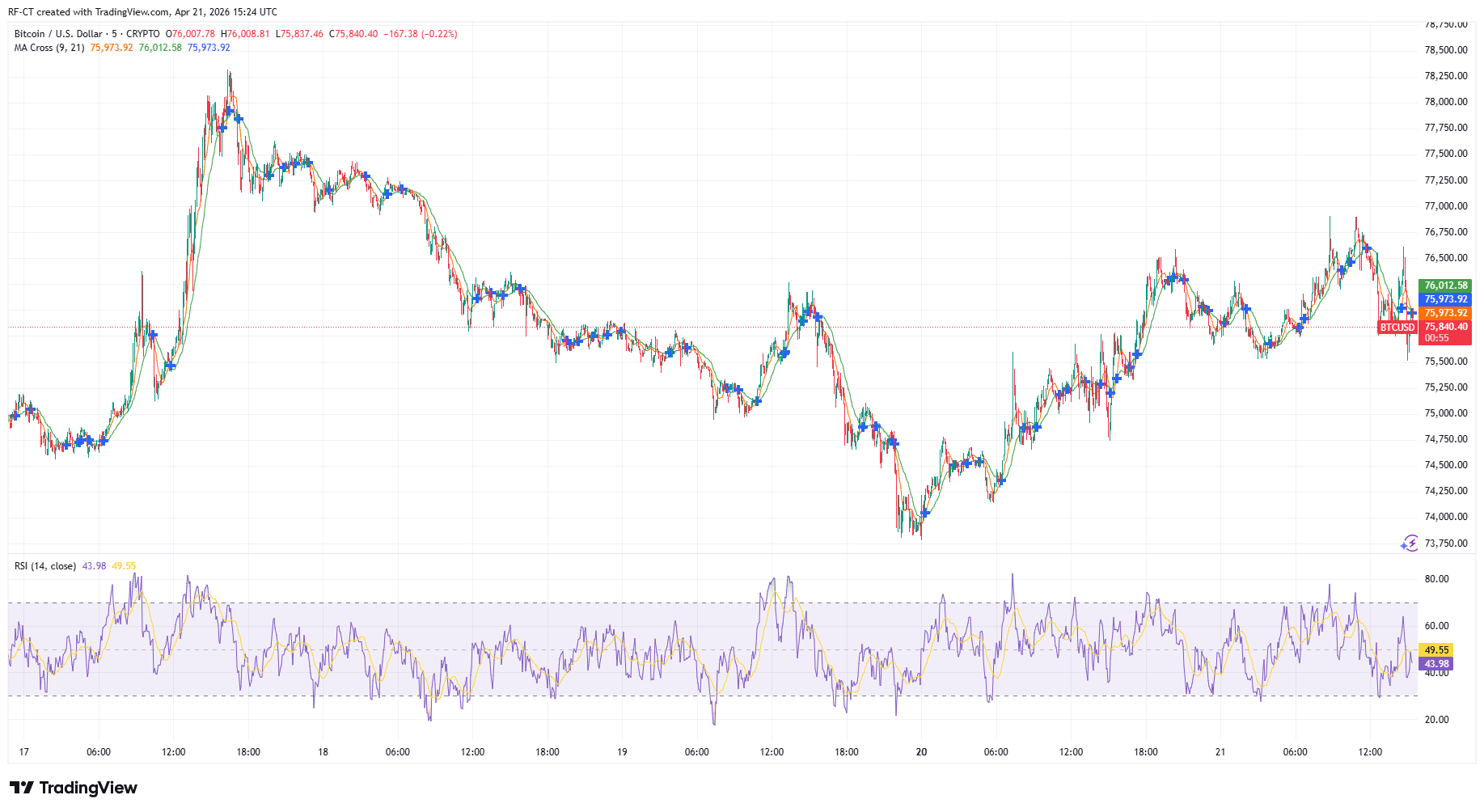
This dynamic explains why $BTC appears caught between potential upward movement and hesitation at this juncture. The market seeks catalysts for growth but remains acutely aware that any significant geopolitical developments could rapidly shift sentiment back downward.
If tensions regarding Iran diminish and oil price stability returns, there’s potential for Bitcoin’s strength as traders redirect their focus towards liquidity prospects and anticipated interest rate reductions once more—historically shown by broader markets where easing fears around Hormuz corresponded with recovering risk appetites when oil calmed down.
If those tensions escalate again however—especially alongside renewed inflation worries—the cryptocurrency may find itself struggling alongside other high-risk assets amidst such uncertainty.
Critical Indicators For Traders To Monitor Now
There are three key areas worth monitoring closely:
- The Reaction To Trump’s Comments: Observe whether Trump’s remarks about the Federal Reserve actually alter market perceptions regarding future interest rates—as aggressive pricing in favoring looser policies could lend support toward $BTC.
- The Oil Market & Strait Of Hormuz Developments: Any resurgence in disruption related here has implications beyond just energy costs—it could reshape inflation forecasts impacting overall appetite across all asset classes significantly according Reuters’ recent findings indicating heightened concern over possible interruptions driving crude higher leading adjustments among anticipated timing concerning forthcoming easing measures from central banks alike!
- Bullish Or Bearish Behavior From BTC: An analysis into whether bitcoin exhibits characteristics typical associated traditionally either being classified purely under ‘risk-assets’ versus showcasing resilience against prevailing headwinds indicates much about upcoming trends ahead!
The Future Outlook For BTC Amidst Macroeconomic Pressures
Currently , bitcoin operates within an environment where macroeconomic factors hold greater sway than individual narratives . While Trumps push towards easier liquidity seems favorable , rising Iranian threats cast shadows over investor sentiments . These opposing forces converge simultaneously creating conditions ripe volatility which may lead sharp movements depending upon subsequent developments !
$ BTC , $Bitcoin