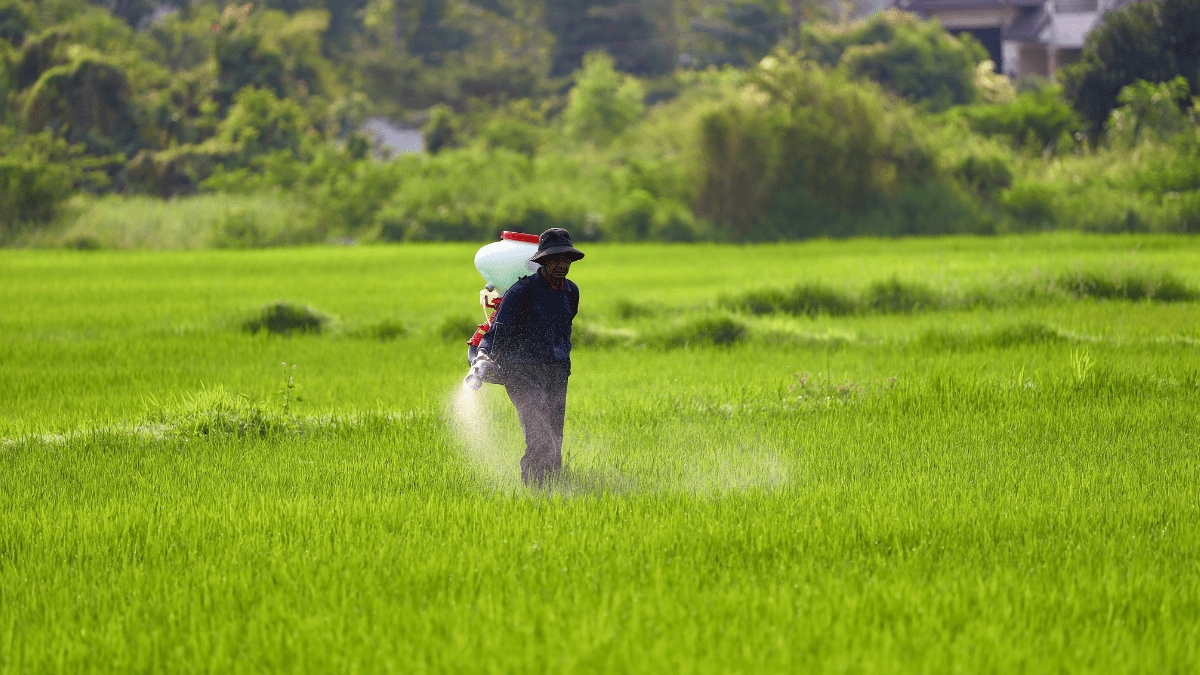
Despite supply disruptions caused by the West Asia war, the government’s move to diversify sourcing of soil nutrients and LNG—a key feedstock for urea production—has boosted current stock levels.
An official told FE that fertiliser stocks are adequate and higher than last year. The official added that there would be no supply constraints of soil nutrients during the forthcoming kharif season.
Current soil nutrient stocks stand at about 18.5 million tonne (MT)—6.6 MT of urea, 2.3 MT of diammonium phosphate (DAP), 5.7 MT of NPKs (nitrogen, phosphorus and potassium), 2.52 MT of single super phosphate (SSP), and 1.27 MT of muriate of potash—compared with 16 MT a year ago, an increase of about 9%.
ALSO READIndian tanker crosses Hormuz; two India-bound vessels hit by firing, turn back
During March 1-April 16, the country imported 4.75 MT of various fertilisers, including 2.82 MT of urea, 1.01 MT of NPKs, 0.33 MT of DAP, along with 0.57 MT of SSP, which has boosted fertiliser stocks, another official said.
Strategic Sourcing
India is currently sourcing soil nutrients from various countries, including Russia, Morocco, Australia, Algeria, Egypt, Indonesia, Malaysia and Canada. “The special arrangement in the Department of Fertilisers for procuring LNG for the production of urea has been successful in coordination with the petroleum ministry,” according to an official note.
Sources said several Indian missions across countries are coordinating for different kinds of fertilisers and inputs for use in India.
Fertiliser demand for the forthcoming kharif season, 2026, is projected at 39 MT by the agriculture ministry, while actual sales of soil nutrients in kharif 2025 were 36.1 MT.
Since April 6, the overall LNG allocation for fertiliser units has been raised to around 95% of their six-month average consumption, boosting output prospects, an official said.
ALSO READUS extends waiver on Russian oil sales till May 16
Urea production in the current month, according to sources, is likely to be around 2.1 MT, up from 1.8 MT in March, when it dipped due to a cut in LNG supplies.
Overcoming Production Dips
At the beginning of March, urea production had dipped to 60% of capacity because some plants went on annual maintenance shutdown and due to LNG supply issues during the current lean months in terms of fertiliser demand.
To boost LNG supplies, the government approved purchase of LNG from spot markets from countries such as Australia, Russia and the US. Till last fiscal, around 10-15% of LNG was purchased from the spot market, while the rest was sourced under long-term contracts with Qatar and the United Arab Emirates.
LNG supplies used as a major feedstock for urea manufacturing have been severely impacted by disruptions around the Strait of Hormuz.
An official said that the phosphoric acid issue has been resolved and a substantial amount of ammonium sulphate is being tied up for import as an alternative fertiliser in case of urea.
India imports about 35–40% of its annual fertiliser requirement of around 65–70 MT. Countries in West Asia account for 40% of these imports.
An official said that besides augmenting supplies through imports of finished products and raw materials for manufacturing soil nutrients, a number of steps are being taken against diversion, hoarding, black marketing and excessive sales of fertilisers across 652 districts.
TOPICSFertilisersThis article was first uploaded on April nineteen, twenty twenty-six, at thirty-eight minutes past eight in the night.