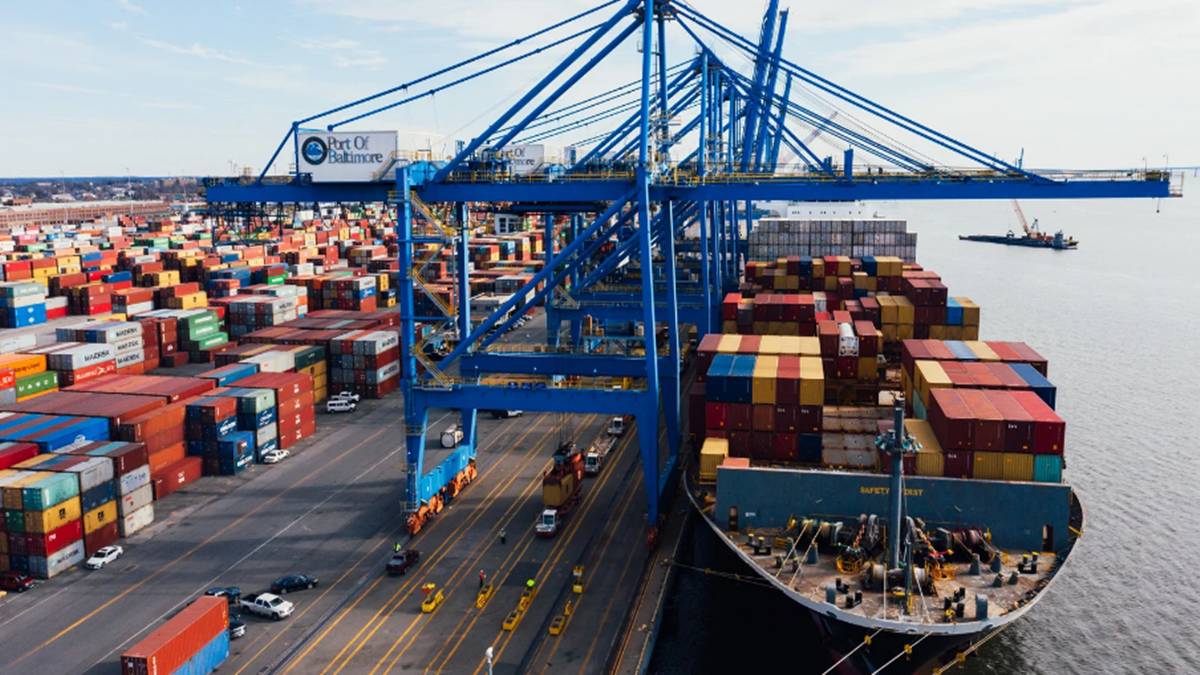
With the shipping routes in West Asia disrupted and global carriers pulling back, India swiftly rerouted trade to keep essential exports flowing, even as the overall shipments to the region plunged sharply amid the crisis.
Another factor that helped was the urgent need for food and agricultural products in the region, which also led authorities there to create special facilities for receiving cargo and ensuring its quick movement.
While essentials have gone through, the absence of regular shipping channels has resulted in exports of engineering goods, electronics, petroleum products and some other heavy items coming to a complete halt.
India’s monthly exports to the region are around $6 billion. However, in March, only $2.5 billion could go through, a decline of 58% year-on-year.
ALSO READFertiliser supply stable as govt diversifies sourcing
“Measures taken by different departments and agencies have ensured uninterrupted supply of perishable products to the West Asia region. It has also resulted in significantly diversified routing options and reduced dependency on congested ports,” a commerce ministry official said.
Within a week of the war, a logistics WhatsApp group connecting all major agri exporters with air cargo operators and shippers was set up. The Agriculture and Processed Food Products Export Promotion Authority coordinated with Lulu Group and DP World to facilitate movement of stuck cargo to countries in the region during the Ramadan period. DP World is one of the biggest port operators in the world.
Strategic Logistics
Khorfakkan Port in the United Arab Emirates (UAE) was operationalised in the first week of March. A priority docking and bonded corridor to Jebel Ali—one of the largest logistics hubs in the world—was established, the official said.
Khorfakkan, on the east coast of the UAE, is acting as a strategic alternative to the Strait of Hormuz. It is roughly 120–140 km from major UAE hubs like Dubai and Sharjah. While outside the tightest choke point, it saw some attacks by Iran in the early stages of the war.
To move goods to West Asia, exporters are also using feeder vessels to transport cargo from India’s west coast—Mundra and Nhava Sheva—to safer alternative ports such as Khorfakkan, Jeddah in Saudi Arabia and Aqaba in Jordan.
The Oman–UAE Green Corridor has been activated for smoother cargo movement to markets of the six-nation Gulf Cooperation Council (GCC), the official said.
Multi-Modal Shifts
As of mid-April 2026, major Omani ports are operational, with the Port of Salalah resuming operations following a temporary closure due to a drone strike in March. Other ports like Sohar and Duqm are functioning normally.
Apart from shipping routes, air cargo services and commercial passenger carriers are being used to transport goods to the region. A typical passenger plane can carry up to 20 tonne in its cargo hold, while dedicated freighters have a capacity of 40-150 tonne.
ALSO READIndian tanker crosses Hormuz; two India-bound vessels hit by firing, turn back
“Air cargo coordination with Air India, SpiceJet and Emirates have been established Regular product-specific meetings with exporters from rice, meat, poultry, eggs and fresh fruits and vegetables are being held,” the official said.
TOPICSWest AsiaThis article was first uploaded on April nineteen, twenty twenty-six, at fifty-one minutes past eight in the night.