The Iranian government’s decision to designate Bitcoin ($BTC) as a payment option for oil vessels navigating the Strait of Hormuz underscores its significance as a neutral and strategic asset, according to Sam Lyman, the research director at the Bitcoin Policy Institute (BPI).
Lyman explained to Cointelegraph that Iran chose $BTC for toll payments due to its resistance to censorship. He stated:
“This represents one of the most crucial instances where Bitcoin is evidently a strategic asset. The motivation behind Iran’s preference for Bitcoin in these transactions lies in its immunity from being frozen or shut down by any entity.”
Iran is currently accepting oil tolls in various currencies including Chinese yuan, US dollar-pegged stablecoins, and $BTC. Nevertheless, Lyman noted that there has been “no on-chain evidence” confirming any $BTC toll payments thus far; he added that most of Iran’s cryptocurrency transactions are conducted using US dollar stablecoins.
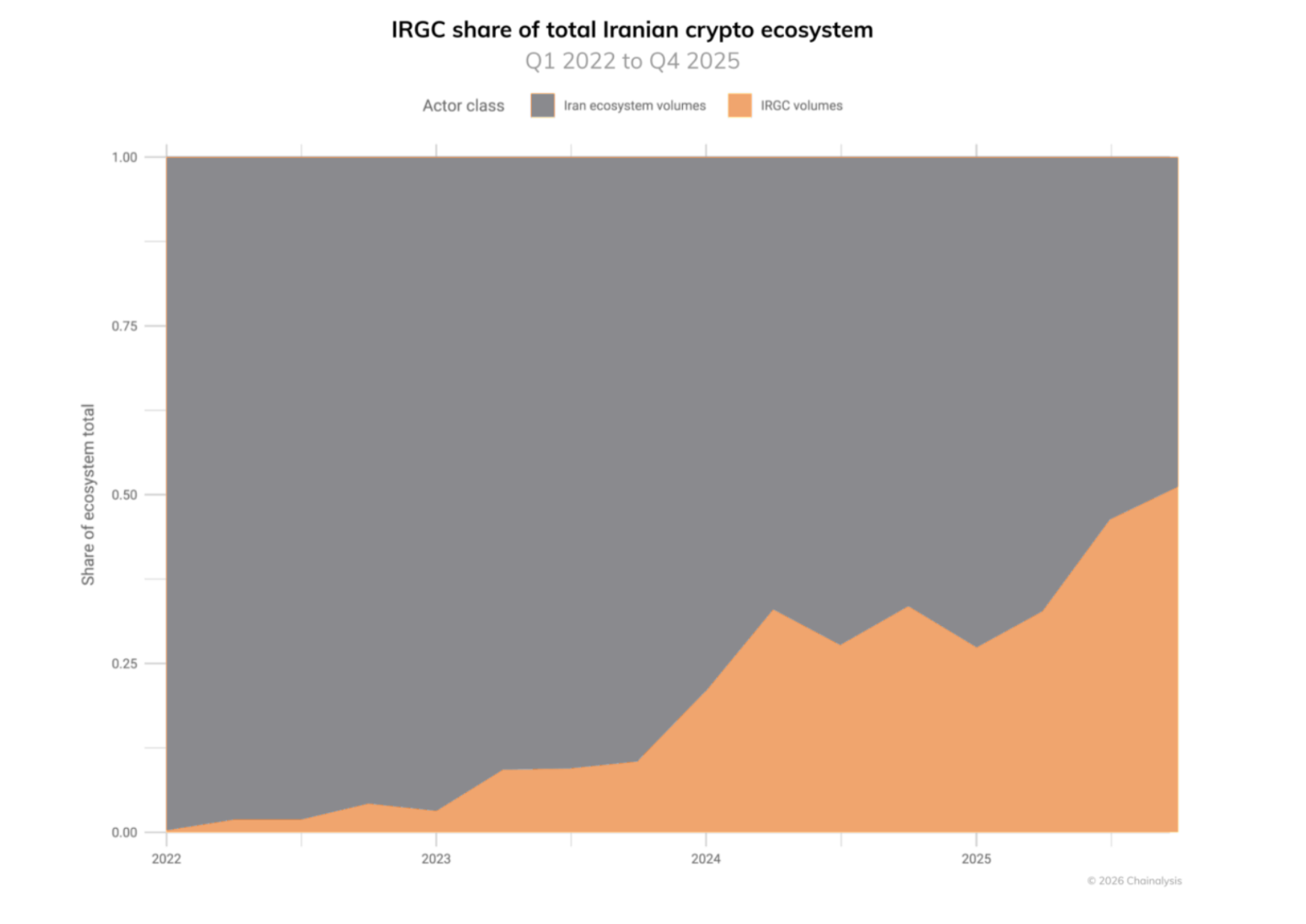
This announcement from Tehran serves as a reminder for US lawmakers about the importance of recognizing Bitcoin as a strategic asset rather than adopting an antagonistic regulatory approach or disregarding digital assets entirely, Lyman remarked during his conversation with Cointelegraph.
Related: The Bitcoin community reacts to reports regarding Iran’s crypto-based tolls for oil ships.
Stablecoin Seizures Are Just Part of Business Operations
Lyman pointed out that “Iran has been developing a digital asset strategy since around 2018,” noting that most transactions there involve USDt (Tether), which is pegged to the US dollar.
Despite knowing that issuers can freeze wallets associated with stablecoins, the Iranian government continues their use. “I believe they are taking significant risks,” he commented during his interview with Cointelegraph.
Since 2022, it’s estimated that Tehran has successfully transferred approximately $3 billion worth of cryptocurrencies—most being denominated in stablecoins.
However, according to Lyman’s insights from the US Treasury Department data, only about $600 million worth of assets have been frozen so far.
“They managed to transfer $3 billion while only having $600 million locked away. This means they still moved around $2.4 billion freely; hence why I think stablecoins remain popular among regime operators,” he elaborated.
Magazine: Pivotal Questions: Can Bitcoin protect you from facing the Cantillon Effect?