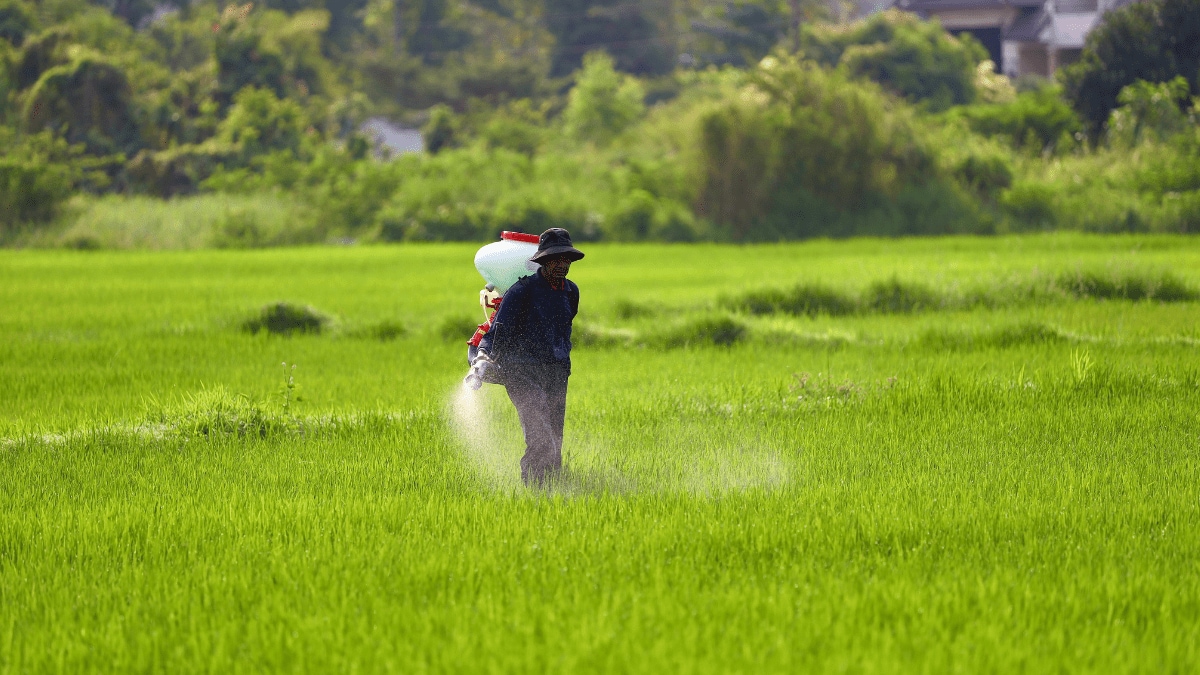
Amidst supply disruption due to the West Asia war and sharp rise in global prices, the government is aiming to curb excessive use of highly subsidised fertiliser through several measures including promotion of judicious use of soil nutrient, linking distribution to farmers’ database on landholdings and developing a system to track abnormal sales patterns across districts, sources said.
Several proposals are being discussed including tracking fertiliser use through an APP where the farmers will put forward demands, biometric withdrawal with alerts against higher purchase and close monitoring of fertiliser sales across 652 districts.
ALSO READFuel margins plunge deep into red; diesel losses hit Rs 60/litre; petrol at Rs 24/litre
Digital Oversight
Officials told FE that a high-level meeting was held on Wednesday in the cabinet secretariat where officials from the departments including fertiliser, agriculture, financial services, expenditure and legal affairs participated. Discussions are on to use data of over 8.5 million unique farmers IDs linked to land records under the Digital Agriculture Mission to ascertain fertiliser usage, an official said.
India imports about 35-40% of its annual fertiliser requirement of around 65-70 million tonne (MT). Countries in West Asia account for 40% of these imports. The supplies and LNG supplies used as major feedstock for urea manufacturing have been severely impacted by the closure of Strait of Hormuz.
“Several measures are being considered and fast-tracked to ensure that there is ample availability of fertiliser in the coming Kharif season,” an official said.
The central sector scheme, PM-PRANAM, which aims to reduce chemical fertiliser consumption through providing financial incentives to the state has been a ‘non-starter’ regarding financial disbursement to states, a parliamentary panel report.
FY27 Subsidy Burden
Surge in global fertiliser prices since West Asia crisis began
The government’s fertiliser subsidy outgo may see a substantial increase in FY27 from the budget estimate of Rs 1.7 lakh crore if the West Asia conflict prolongs, leading to elevated global prices of soil nutrients, officials said. The global prices of two key fertiliser – urea and Diammonium Phosphate (DAP), which India imports in substantial quantities, have increased significantly since March.
ALSO READIndian negotiators to seek better terms in US trade talks
Trade sources said global urea prices have increased by 35% to $726/tonne (free on board) and DAP prices by 15% to $654/tonne respetively since the beginning of March,2026. Out of estimated urea consumption of 40 MT in FY26, 25% is imported.
Indian Potash, one of the three agencies authorised by the government for urea import along with National Fertilisers (NFL) and Rashtriya Chemicals and Fertilisers (RCF), has received total supply offers of about 6 MT for the tender floated on April 4 for 2.5 MT. The prices offered by suppliers and traders was in the range of $935/tonne – $959/tonne, far higher than prevailing prices. The government will take a call on import on April 23.
In the February tender by RCF, the price for import of 1 MT of urea was quoted in the range of $ 508/tonne – $ 512/tonne for delivery by March end for which delivery has been delayed because of Gulf war.
While retails prices of urea for farmers has been notified at Rs 242 a 45 kg bag since March 2018 (subsidy incurred over 90%), while DAP prices despite global fluctuations in prices are supplied to farmers at Rs 1,350/ bag (subsidy of over 50%)
“If the conflict persists, fertiliser availability and affordability could become a major challenge during the upcoming kharif season, potentially impacting sowing decisions and crop yields. India faces a combination of climatic and geopolitical risks that could adversely impact agricultural output, fertiliser availability and food inflation in FY2027,” ICRA stated in a report on Wednesday.
TOPICSFertilisersThis article was first uploaded on April fifteen, twenty twenty-six, at zero minutes past eight in the night.