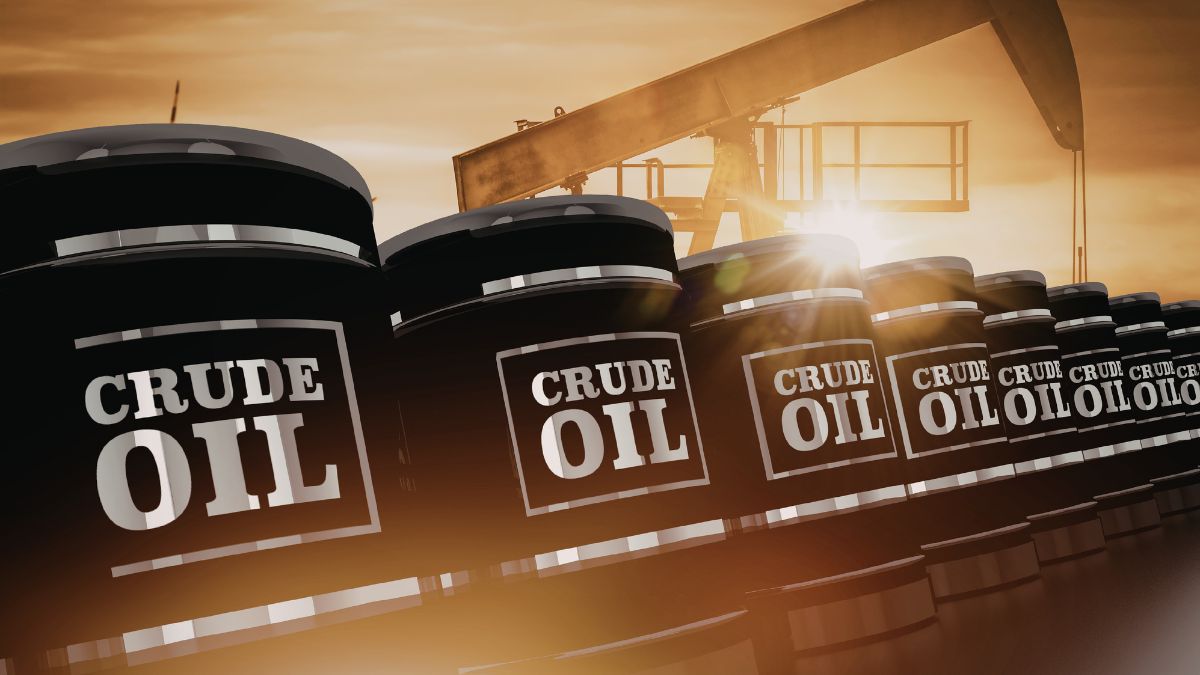
A breakdown in US-Iran peace talks has reignited global oil jitters, pushing crude prices back into the spotlight and raising the spectre of a renewed energy shock for India. With Brent crude hovering near $95 per barrel, the failed diplomacy has injected fresh uncertainty into already tight markets, threatening to inflate import costs for one of the world’s most energy-dependent economies.
A Crisil report has flagged that the ripple effects could be significant, warning that the ongoing crisis is “the largest energy shock on record”, with disruptions already impacting global supply chains and energy flows. The report said rising crude prices could widen India’s current account deficit (CAD) to around 2% of GDP, compared to a baseline of 1.5%, as a higher petroleum import bill strains external balances.
It further noted that a 23% year-on-year rise in crude prices could sharply expand the import bill, even as gas and fertiliser costs add to pressures, underscoring the sensitivity of India’s external sector to energy shocks.
ALSO READFrom waste to wealth: India eyes tailings, red mud and fly ash; copper output to triple by 2030
“Ongoing uncertainty around talks is likely to keep risk premiums elevated in crude markets, with spillovers to LPG and gas prices,” said Sunil Mani, Policy Advisor at IISD. He added that “for India, dependence on flows through the Strait of Hormuz means even perceived supply risks could keep import costs elevated in the near term.”
Chokepoint Challenge
India’s exposure remains structural and significant. The country imports nearly 88–90% of its crude oil requirement, with about 46% of these imports passing through the Strait of Hormuz, a chokepoint that carries nearly 20% of global oil trade.
Crisil noted that even as the Strait remains partially operational, “shipping, insurance and energy costs have risen materially”, reflecting heightened risk premiums and longer trade routes.
The impact is already being felt across supply chains. “The risk premium is back—freight and insurance costs have increased, and sourcing has tightened even without physical disruption,” an analyst said on the condition of anonymity, pointing to rising pressure on the import bill.
Fiscal Fallout
The stress is not limited to crude. Natural gas prices have also firmed up, while LPG — among the most exposed fuels due to heavy dependence on West Asia and limited buffer — remains particularly vulnerable, raising concerns over affordability and subsidy burden.
ALSO READIndia-UK FTA may come into force mid-May
“Sustained higher LPG prices could also slow the clean cooking transition by affecting affordability for low-income households and increasing fiscal pressure on subsidies,” Mani said.
Economists warn that sustained high crude prices could have broader macroeconomic consequences, including higher inflation, a weaker rupee and tighter financial conditions. Crisil added that a prolonged conflict could push crude towards $100 per barrel, intensifying input cost pressures and weighing on growth.
India has, however, taken steps to cushion the impact. The government has diversified crude sourcing, increased imports from alternative suppliers such as the US and Russia, and leveraged strategic petroleum reserves covering about 60 days of demand.
Additional policy measures, including fuel tax adjustments, export support and close monitoring of currency markets, are being deployed to manage volatility and stabilise the macroeconomic environment.
Even so, risks remain elevated. With diplomacy faltering and geopolitical tensions persisting, oil markets are likely to remain on edge.
For India, the challenge is immediate and complex — contain the shock of rising energy costs while sustaining growth momentum amid one of the most severe global energy disruptions in recent years.
TOPICSCrude oilThis article was first uploaded on April twelve, twenty twenty-six, at twenty-three minutes past seven in the evening.