Prime Minister Narendra Modi will hold a virtual meeting with state chief ministers on Friday to discuss the situation in West Asia amid concerns about the impact of the US-Iran conflict on the Indian economy and citizens.
Modi’s outreach to states follows his address to both Houses of Parliament on Monday-Tuesday, stressing cooperation between the Centre and states, vigilance against hoarding and ensuring the uninterrupted supply of essential commodities. He said India remains committed to protecting its citizens, maintaining economic stability, and working with global partners to de-escalate tensions.
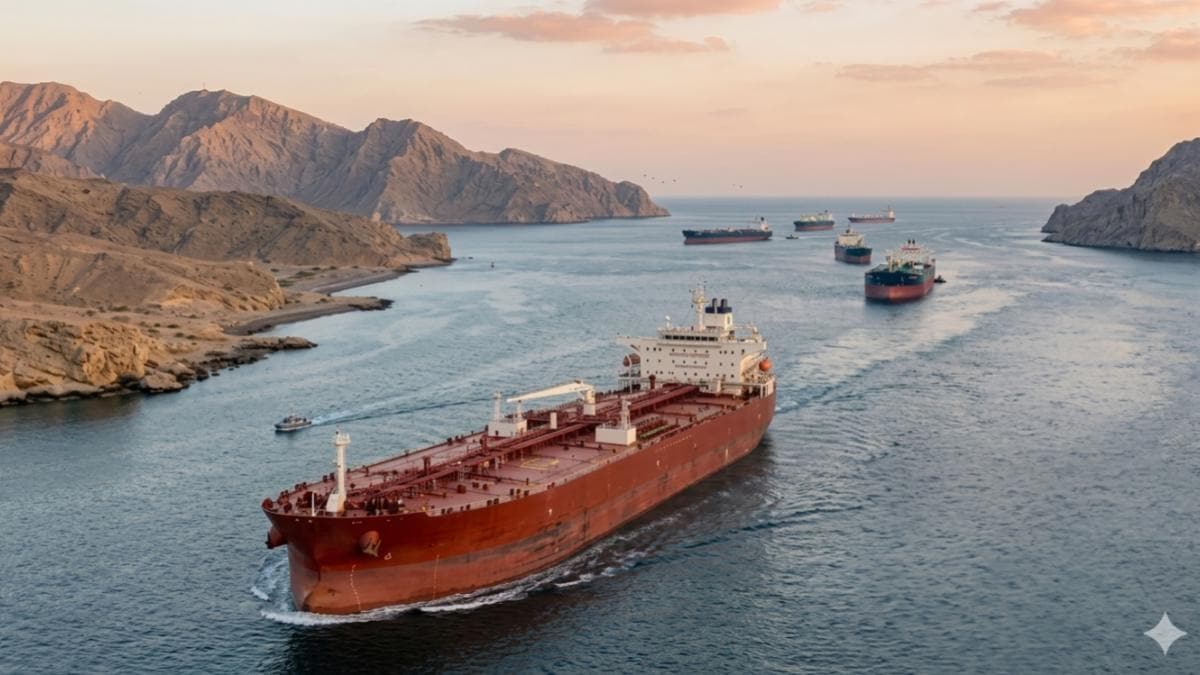
In his meeting with states on Friday, Modi is likely to call for preparedness in the face of uncertainty during the evolving crisis as the war between US-Israel and Iran has entered its fourth week. The war has led to the choking of the Strait of Hormuz, leading to a spike in natural gas and crude prices as well as shortages.
ALSO READIndia has 60 days of oil stock: Govt
India, which was poised for another year of spectacular growth of around 7.4% in FY27, is staring at a moderation if the war prolongs.
$130 Oil Threat
Briefing the Parliamentary Standing Committee on Finance on March 2, chief economic adviser V Anantha Nageswaran has cautioned that if crude oil prices spike and remain around $130 for a two to three quarters, it would have “fairly significant” impact on the Indian economy by dragging the Gross Domestic Product growth down from 7.4% to 6.4% for FY27, while also pushing inflation toward 5.5%. Such a scenario could also widen the current-account and fiscal deficits to 3.2% and 5.6% of the GDP, respectively, he cautioned.
West Asia crisis set to complicate the Centre’s budget math in FY27, rating agency Icra said in a note on Thursday.
The West Asia conflict has pushed up the international prices of crude oil (~$157/bbl and ~$104/bbl for Indian basket and Brent, respectively, on March 23) and liquified natural gas (LNG; Japan Korean Marker or the Asian LNG price: to ~22/mmbtu on March 19) to elevated levels, while also disrupting supplies, including those of key inputs for fertiliser production.
“This may have direct implications for the fertiliser and petroleum industries including the surge in input and logistical costs, reduce refining margins of downstream players, albeit augur well for upstream oil companies,” Icra said.
Overall, this is likely to stress the Centre’s fiscal math, led by additional subsidy burden, for fertiliser and LPG, while hurting revenues, including corporate tax collections and dividend receipts, it added.
ALSO READWest Asia conflict may cut fertiliser output 15%, raise subsidy by Rs 25,000 crore
Strategic Buffers
The government’s back-to-back outreach to various stakeholders including political parties indicate that it is keen on a whole-government approach to deal with the situation minimise impact of West Asia conflict on India.
On Wednesday, Defence Minister Rajnath Singh held an all-Party meeting on the West Asia situation, convened at the Parliament House complex in New Delhi. An inter-ministerial group is holding meetings daily to respond to emerging situations including supplies of cooking gas, etc. The government has already constituted seven empowered groups to develop strategies on fuel, supply chains, fertilisers, finance and other areas to mitigate the impact of the conflict
TOPICSNarendra ModiThis article was first uploaded on March twenty-six, twenty twenty-six, at thirteen minutes past eleven in the night.