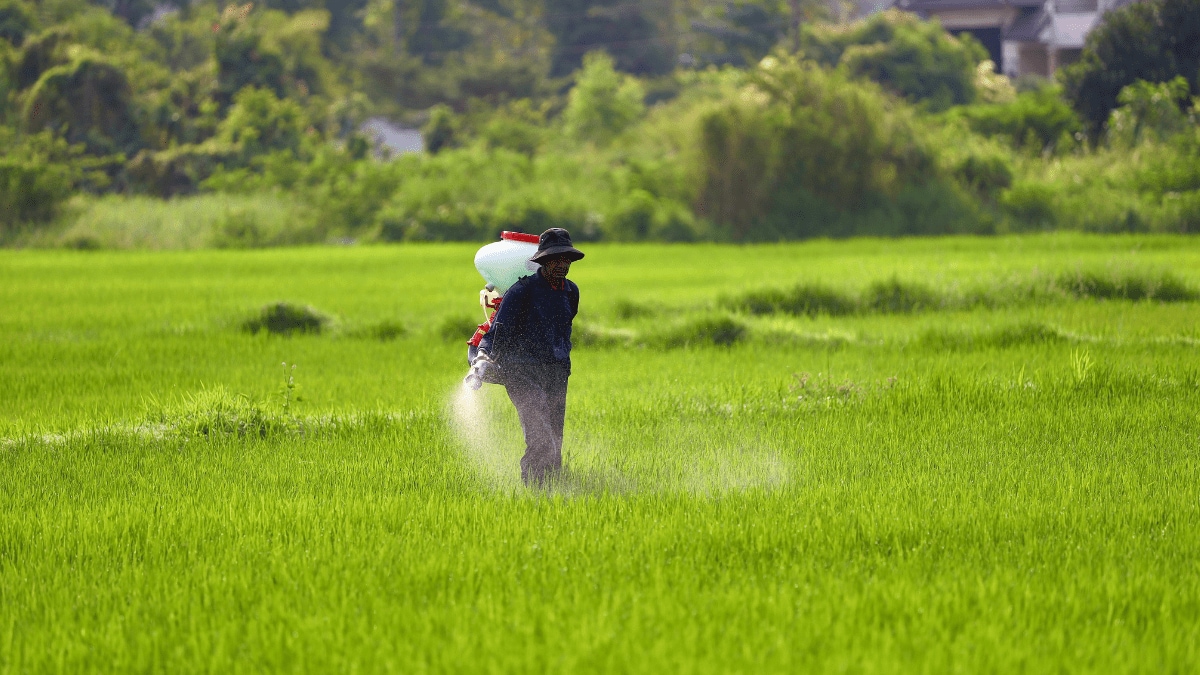
The central sector scheme, PM-PRANAM, which aims to reduce chemical fertiliser consumption has been a ‘non-starter’ regarding financial disbursement to states, according to a parliamentary panel report. “Not a single rupee has been released as incentive to any state or UT under this scheme,” the Standing Committee on Chemicals and Fertilisers (2025-26) stated in the report.
The panel noted that only nine States and UTs were found eligible for the funds during 2023-24 with a total reduction of chemical fertiliser consmption of 1.45 million tonne (MT), while just 3 states/UTs were eligible in 2024-25 with a much lower reduction of 42,000 tonne.
The department of fertiliser has stated that assessment of reduction in fertiliser consumption in the current fiscal will be conducted after March 31, 2026.
ALSO READIntroduce measures for direct cash transfer of fertiliser subsidy to farmers: Study
Complex Eligibility Criteria
The government supplies around 64 to 65 MT of highly subsidised fertilisers – urea, diammonium phosphate (DAP), nitrogen, phosphorus and potassium (NPK) and muriate of potash (MOP) – to farmers annually.
The panel observed that the incentive structure and the eligibility criteria of the scheme appear to be too complex and restrictive, with adjustments for natural calamities and consumption of neighbouring districts significantly limiting the pool of eligible States. The report suggested the Government to undertake an urgent review of the scheme to simplify eligibility conditions, reduce bureaucratic hurdles in disbursement, and process and release the incentives due to eligible states without further delay.
It has also recommended revamp of the scheme to be designed in consultations with the state government to ‘genuinely’ incentivize a sustainable transition towards organic, nano, and biofertilizers and away from excess chemical fertilizer use. In June, 2023, the cabinet had approved a PM Pranam aimed at promoting balanced and sustainable fertilizer use and reducing the nation’s chemical fertilizer subsidy burden and approved for three years from FY24 to FY26.
Under the scheme, the states were to be compensated or grant financial resources equivalent to 50% of the fertilizer subsidy saved in a particular financial year by way of reduction in consumption of urea, DAP, NPK and MOP compared to previous three years’ average consumption. The scheme was aimed at a host of measures including encouraging adoption of alternative fertilizers such as organic, bio, and nano fertilizers, extending support for natural and organic farming practices and promoting resource conservation technologies such as micro-irrigation and zero tillage.
ALSO READGovt urges shift to PNG as LPG bookings surge amid West Asia disruption
Need for a Sustainable Shift
Officials said continuous use of highly subsidised chemical fertilizer alone had deleterious effects on soil health and crop productivity showing deficiencies of other nutrients. Indian Council of Agricultural Research has recommended soil test based balanced and integrated nutrient management through conjunctive use of both inorganic and organic sources – manure, bio-fertilizers of plant nutrients for judicious use of chemical fertilizers and to improve soil health.
The fertiliser subsidy outgo for the FY26 is projected at Rs 2.15 lakh crore
TOPICSFertilisersThis article was first uploaded on March fifteen, twenty twenty-six, at thirty-six minutes past five in the evening.